
Traffolyte Labels
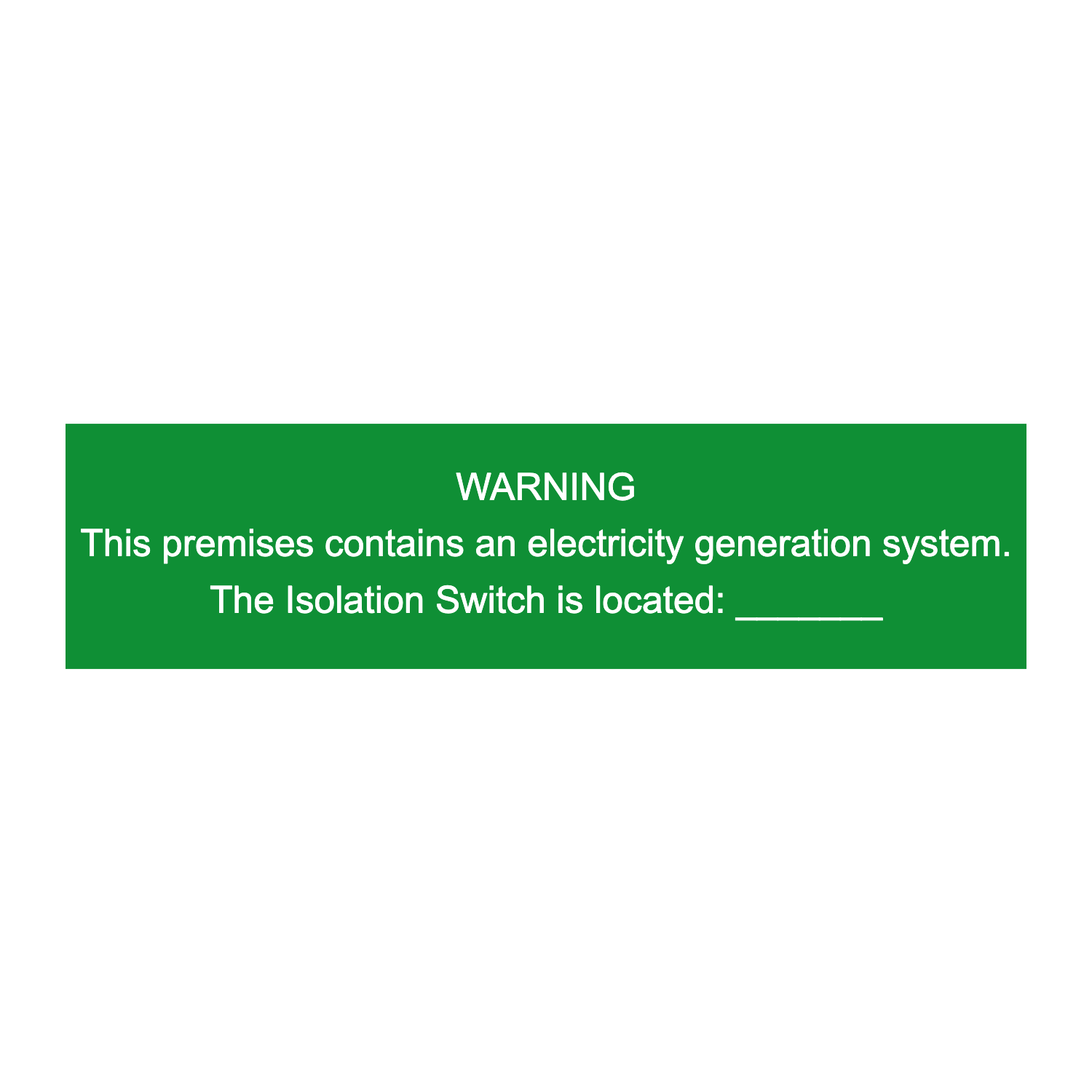
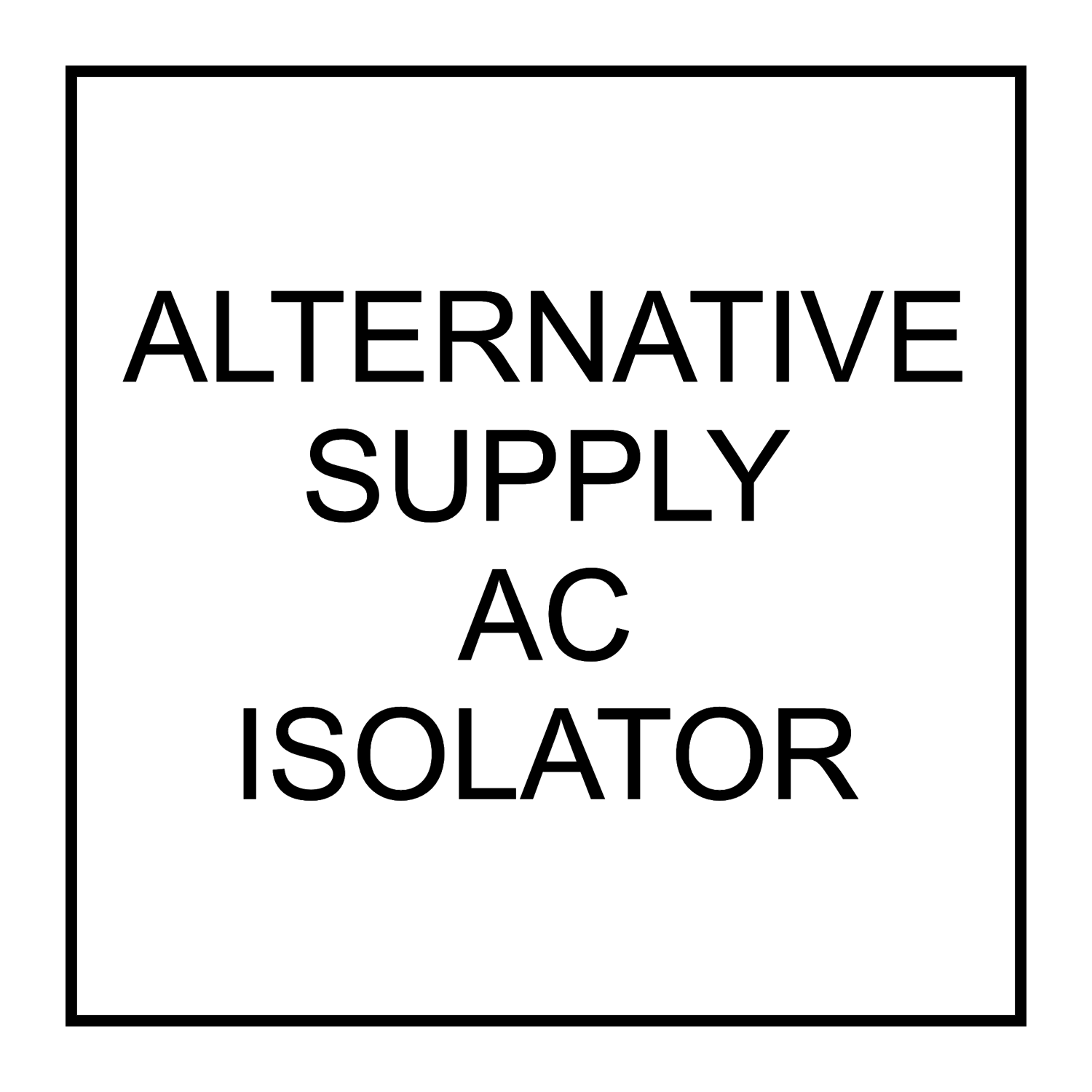
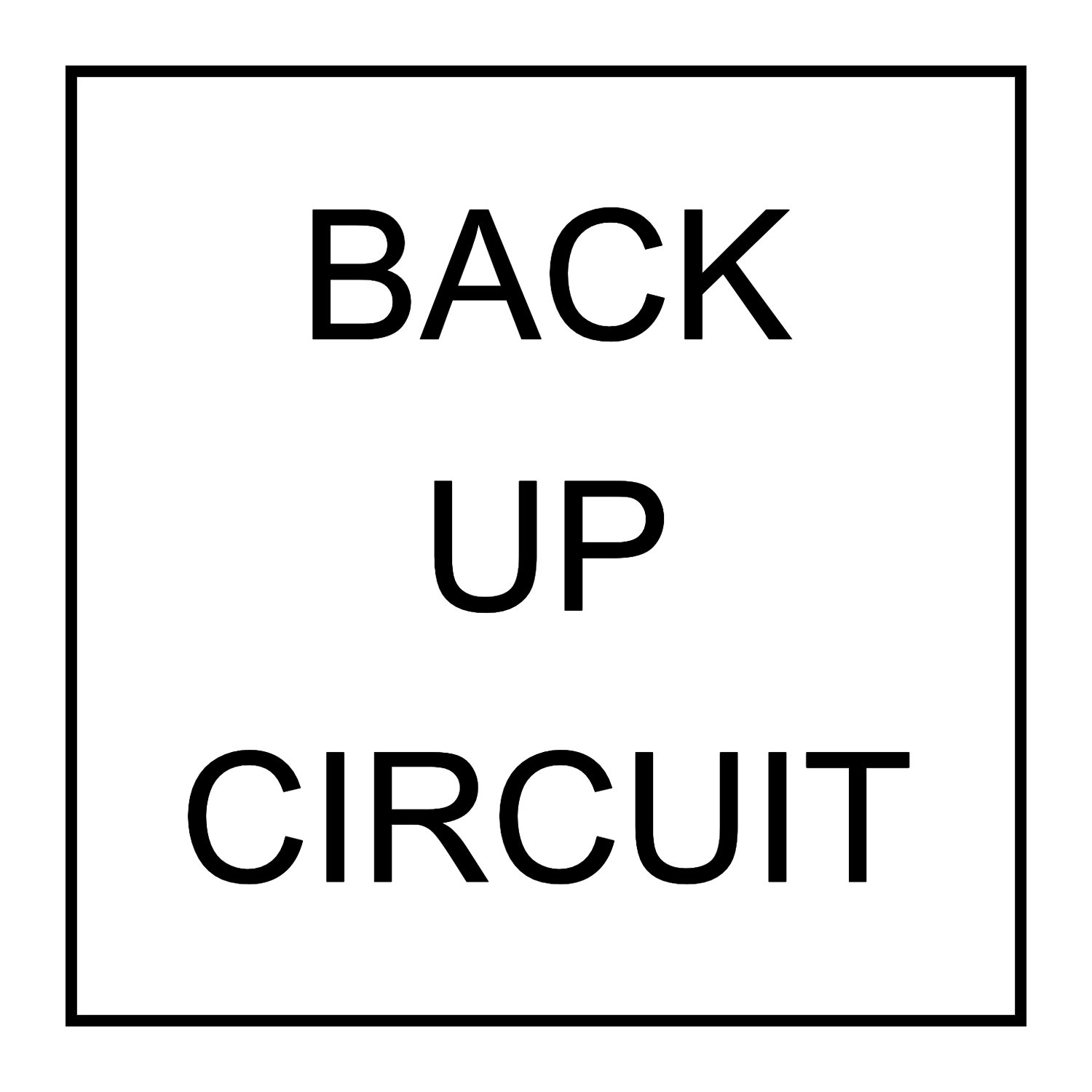
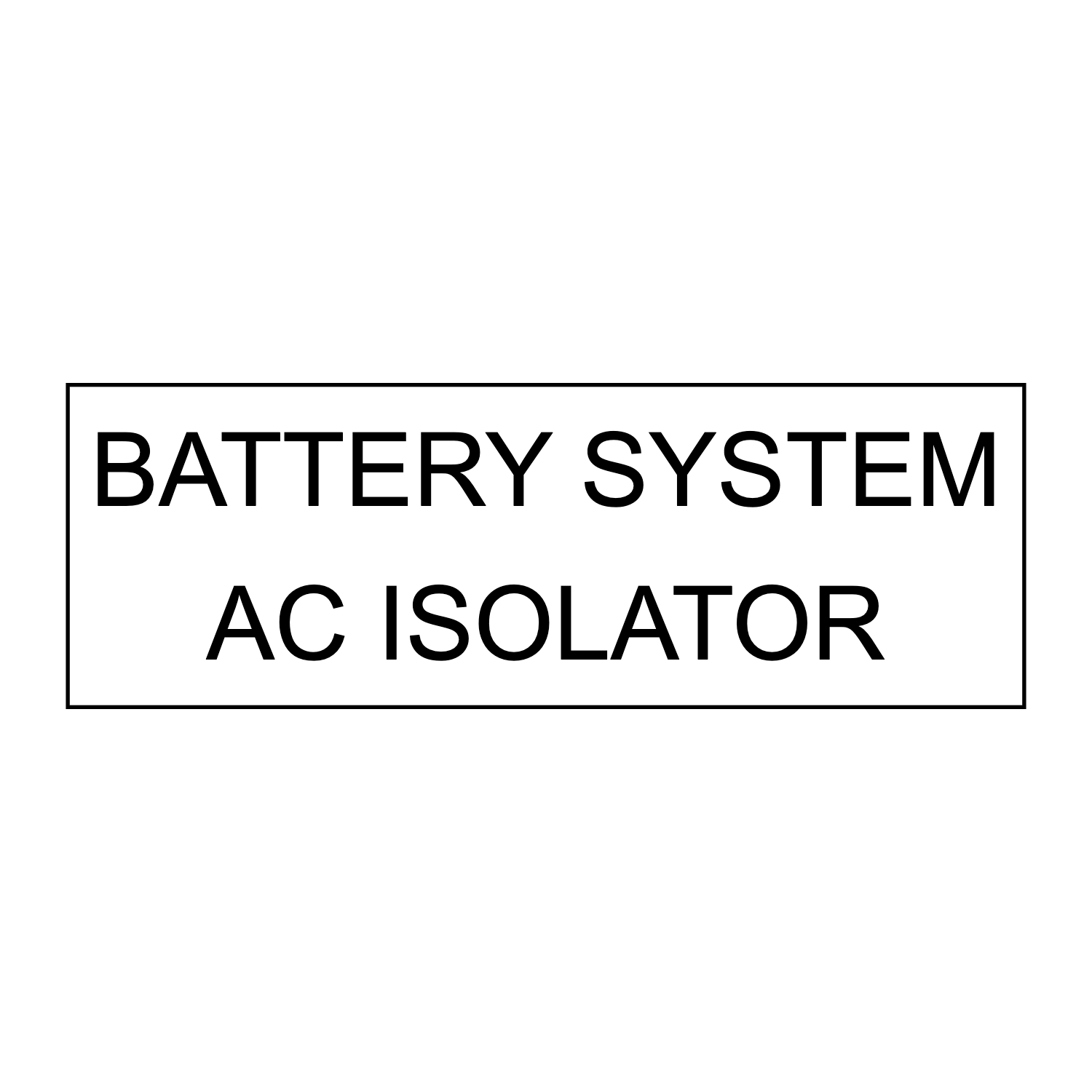
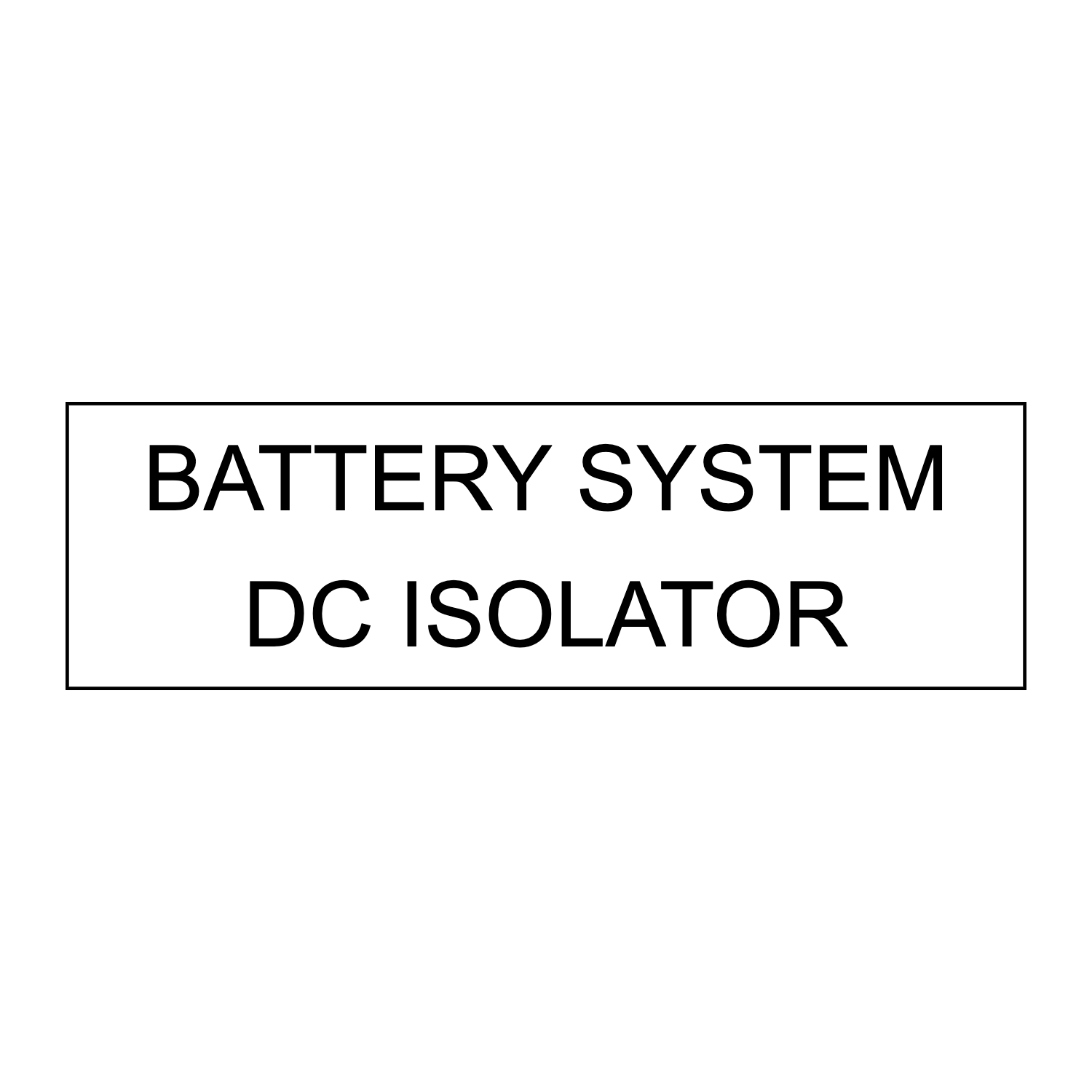
The engraved two-ply laminate most Australian switchboard, solar and battery labelling is made from. It is what a sparky means by an engraved plate: the lettering is cut into the material, not printed onto it.
Traffolyte labels by category
157 products, each group linking through to its category page.
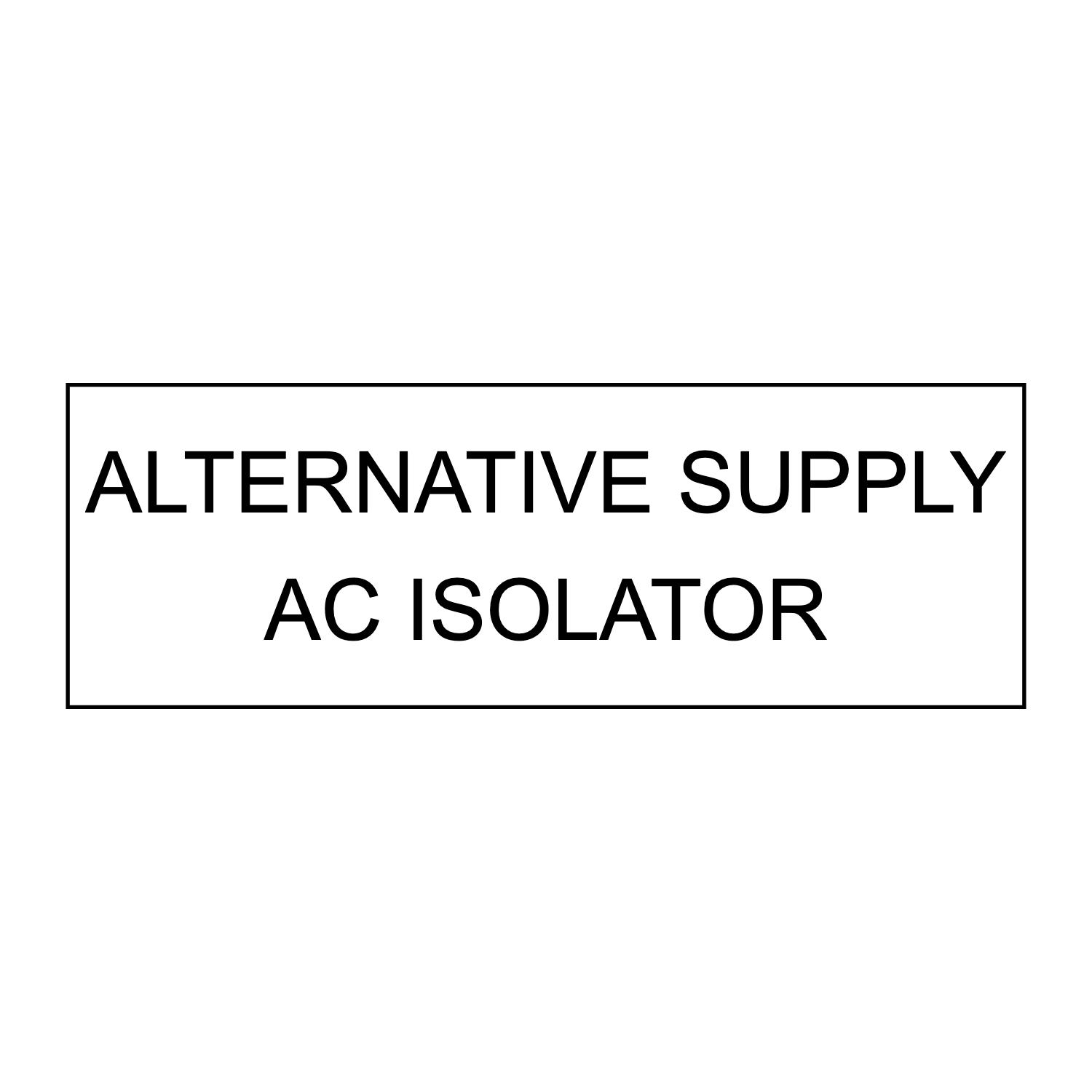


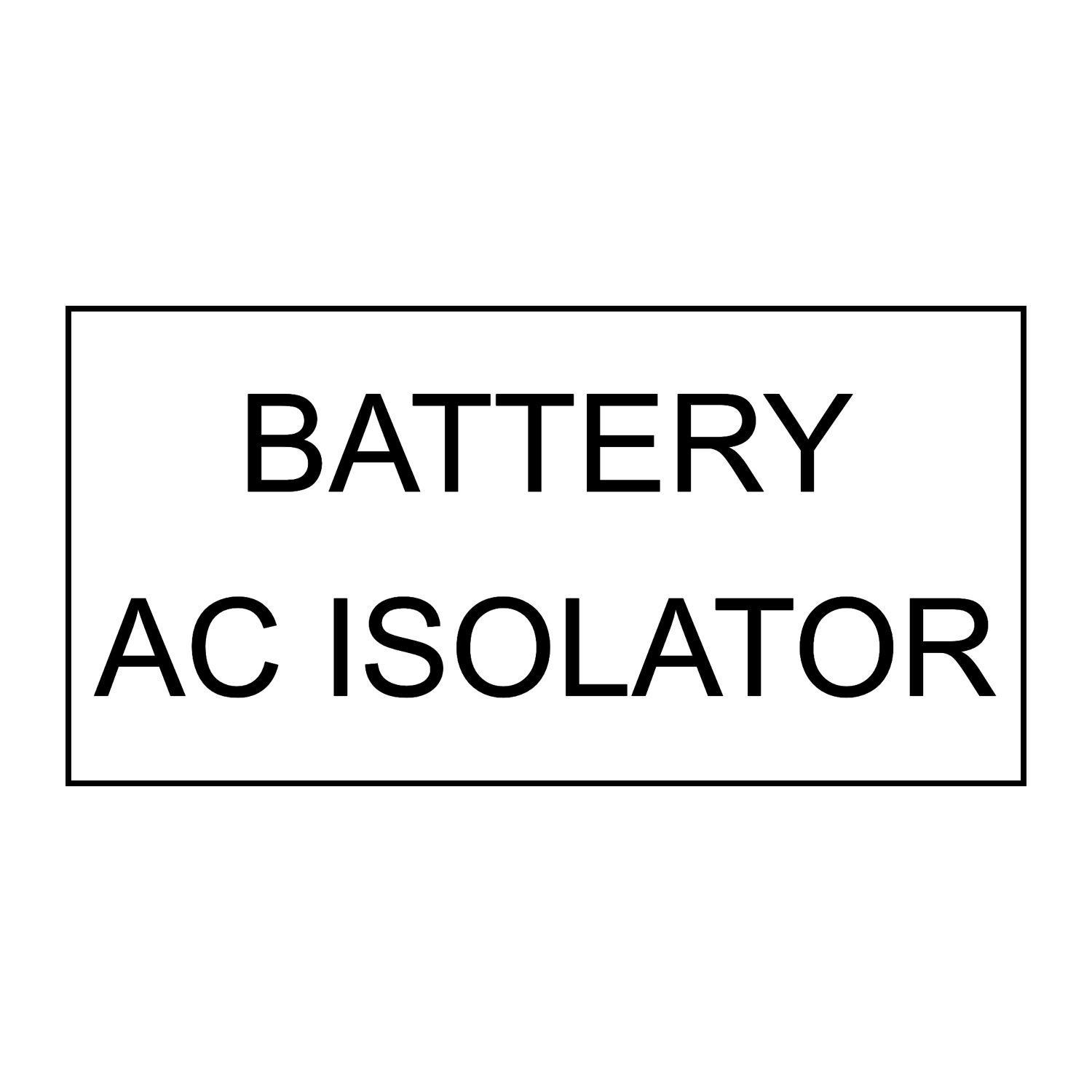
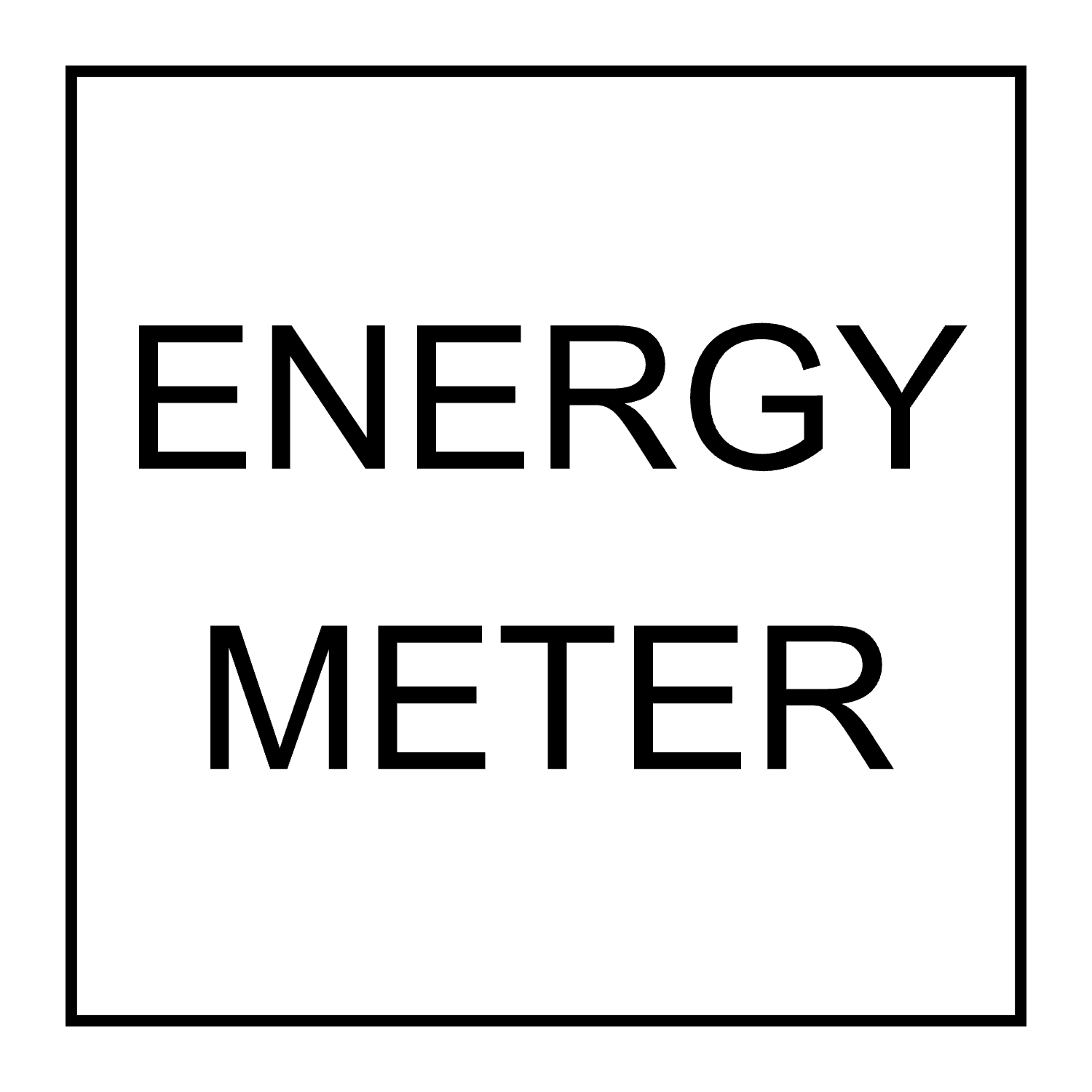
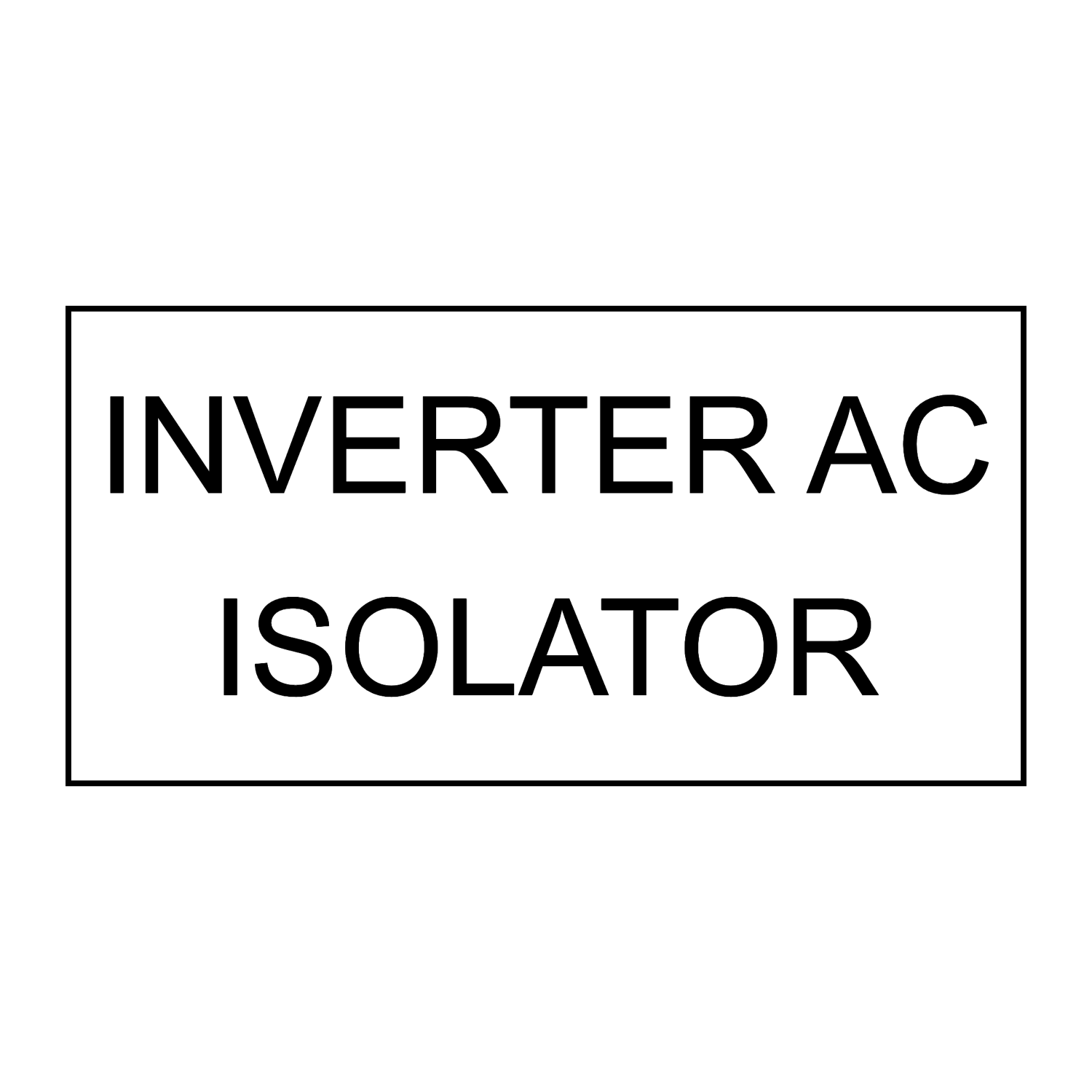
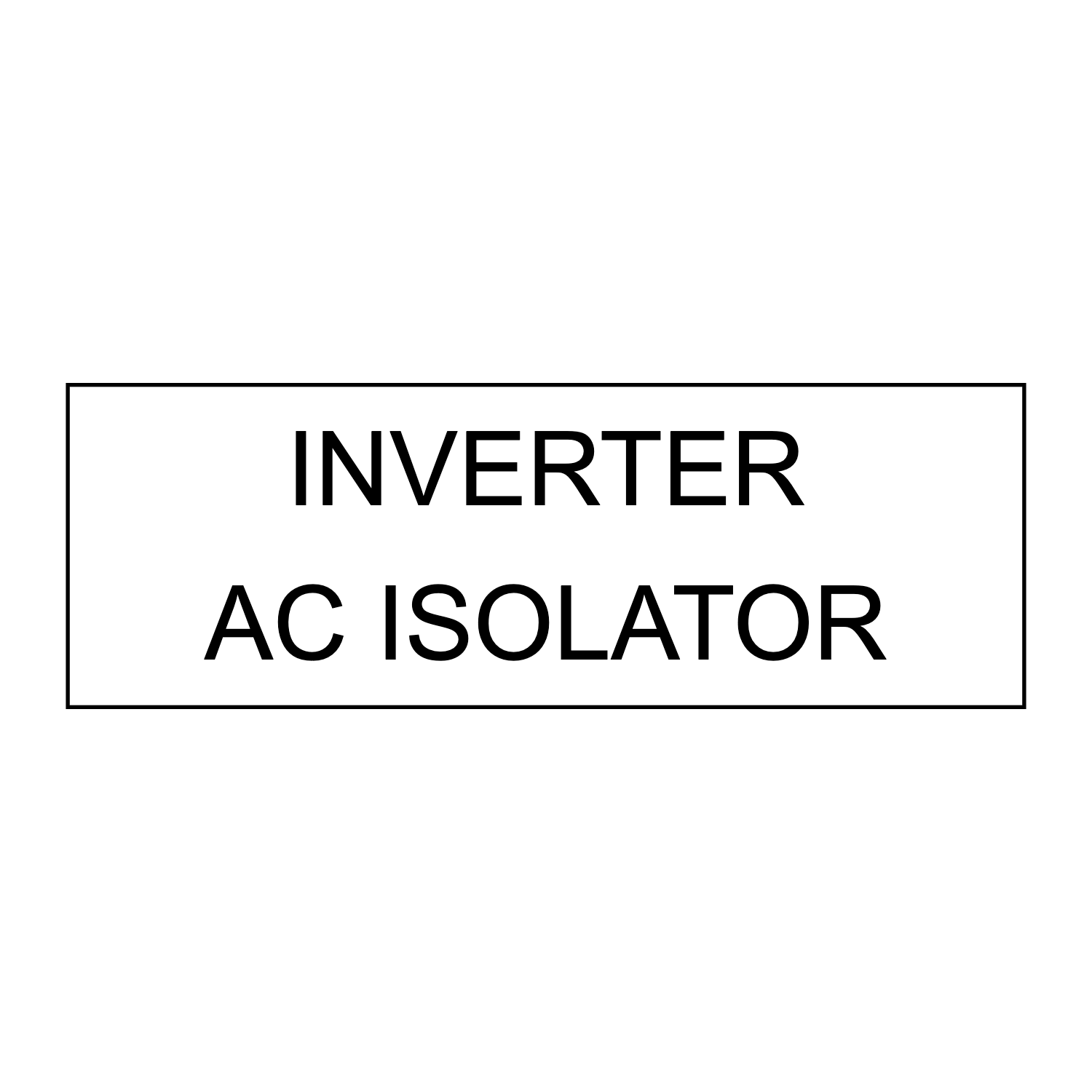
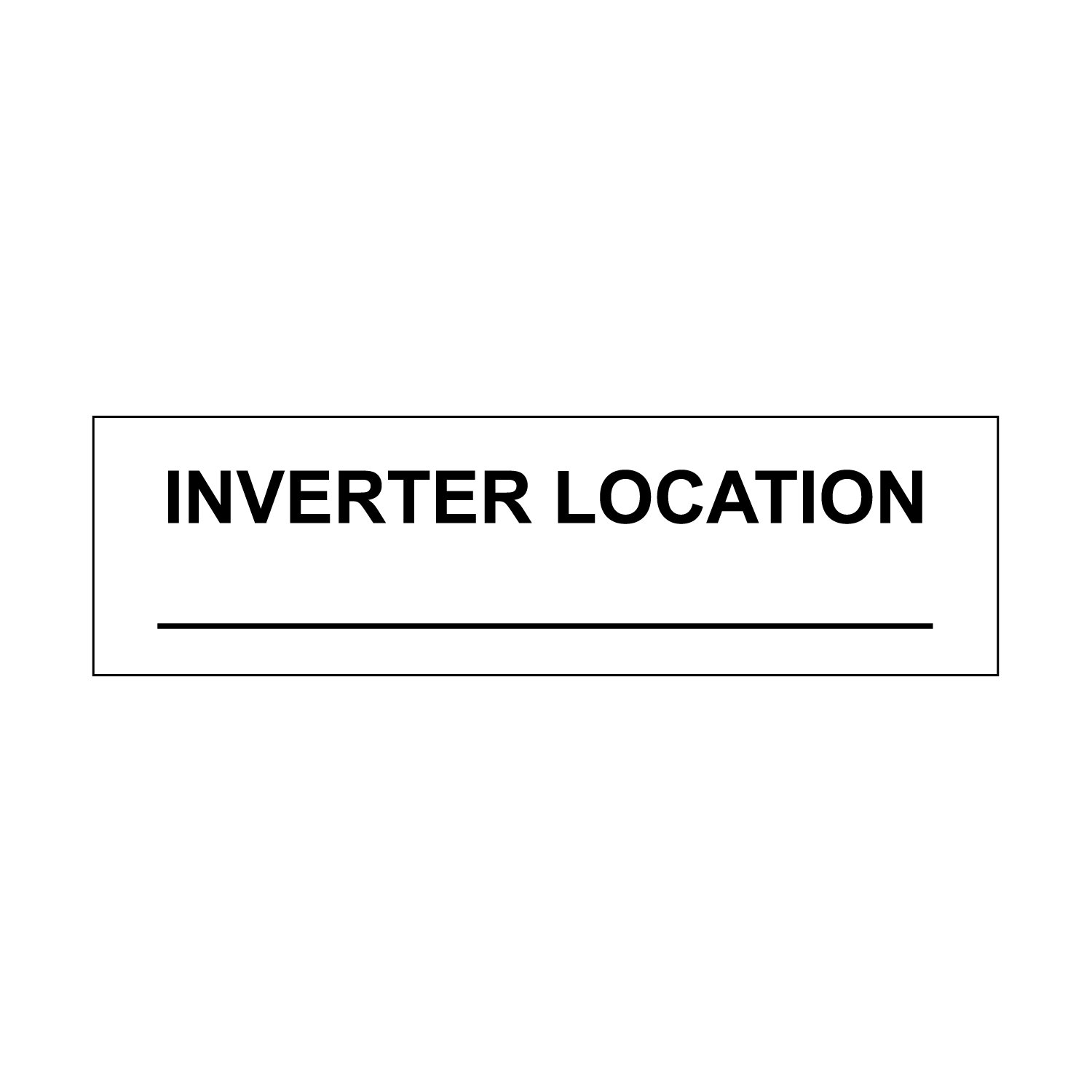
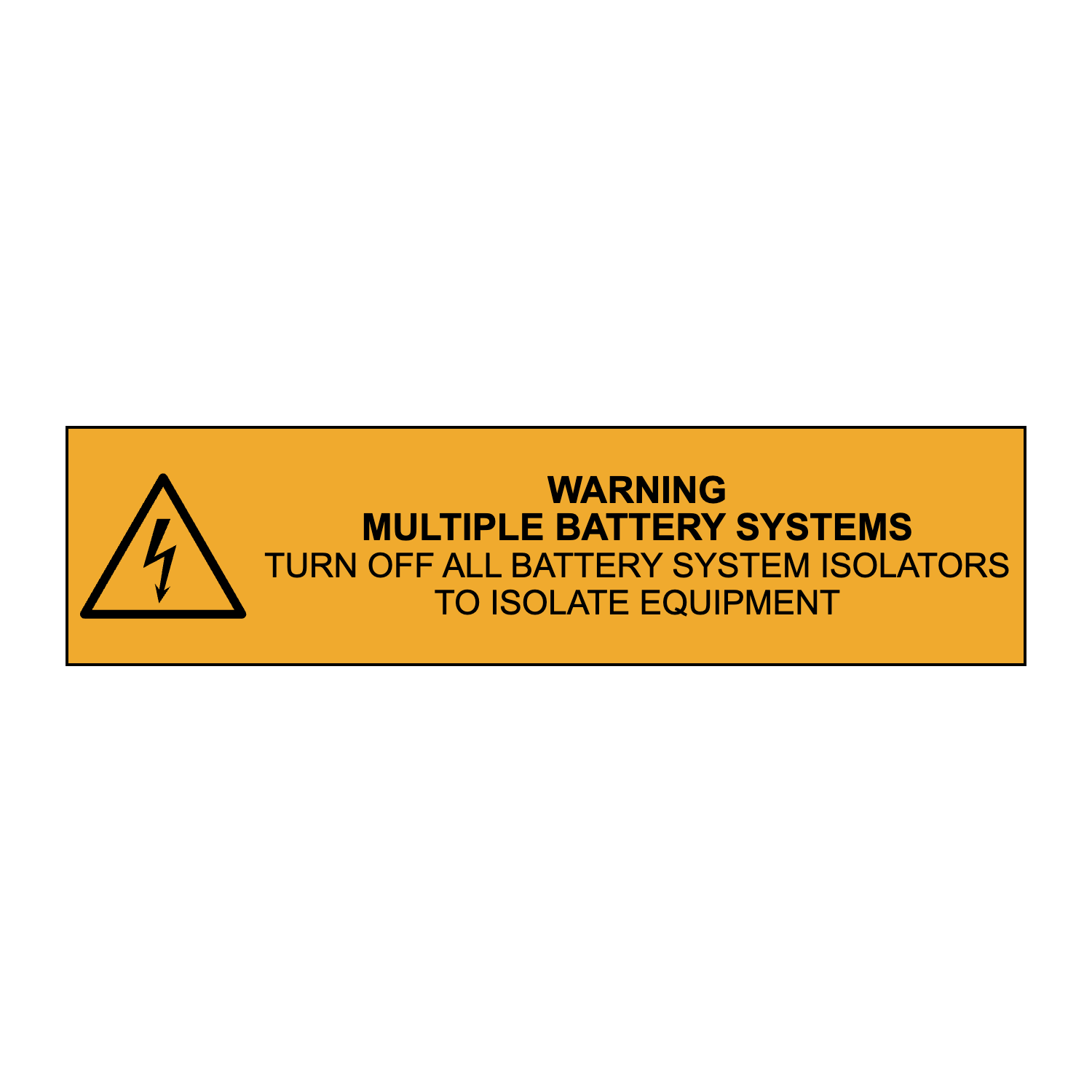
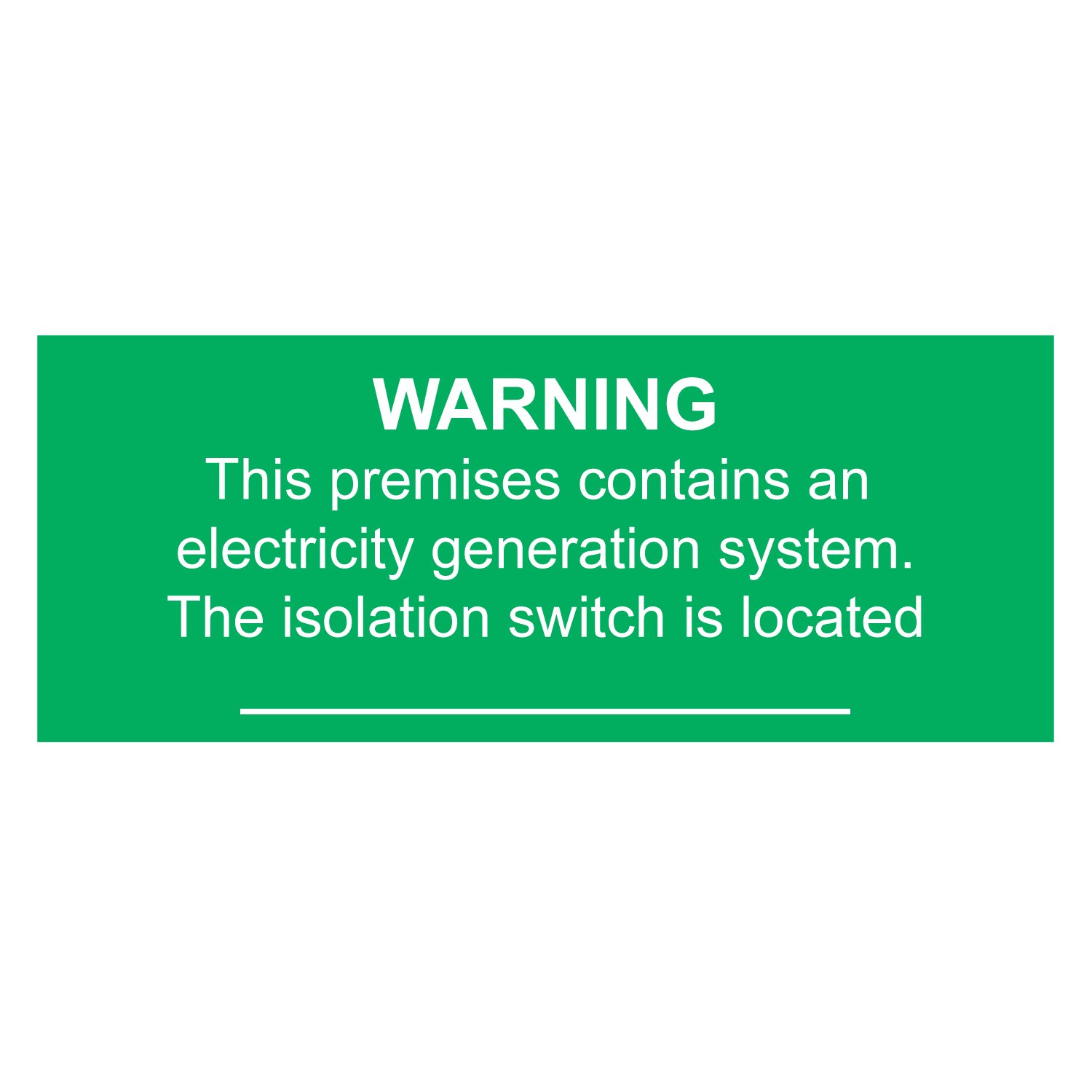



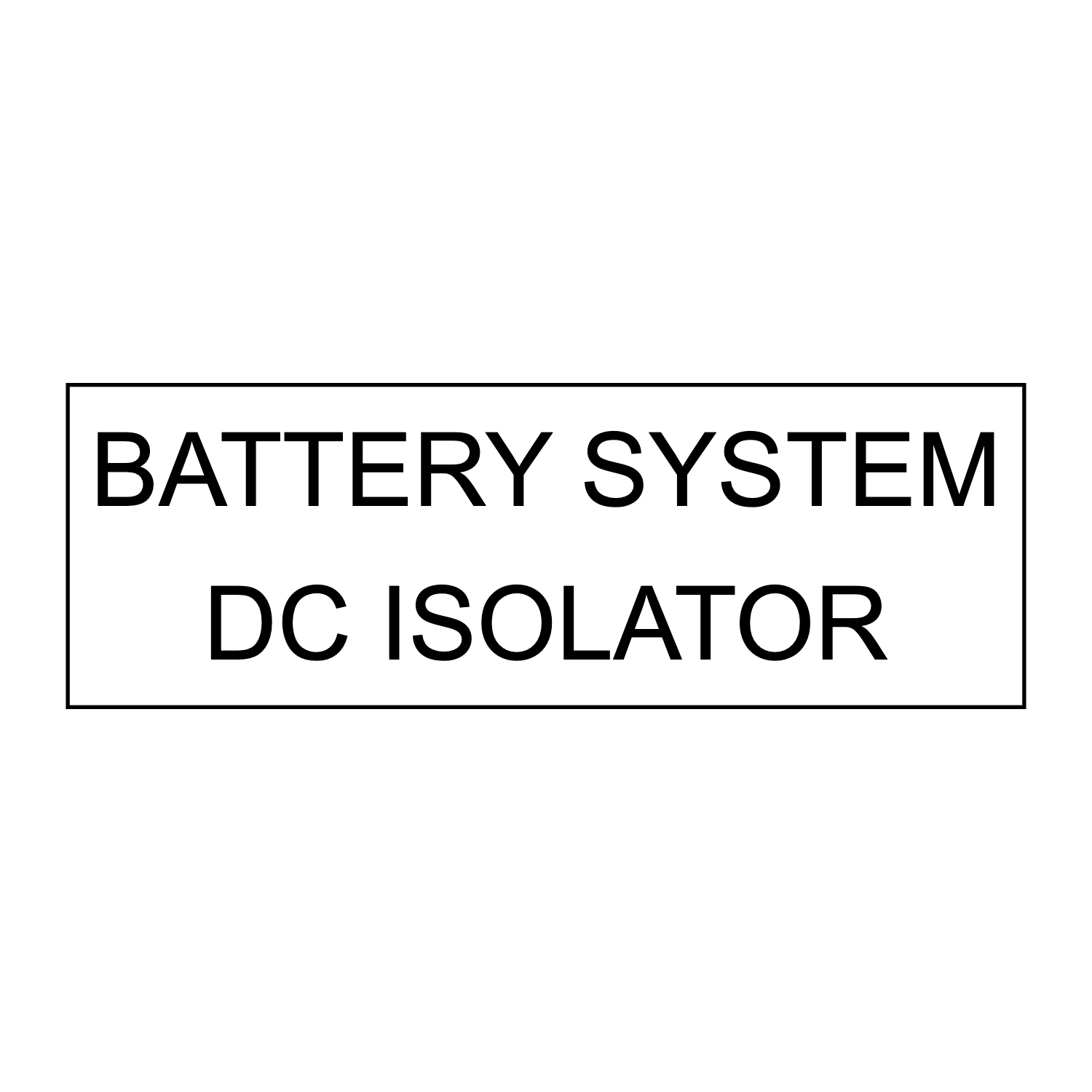
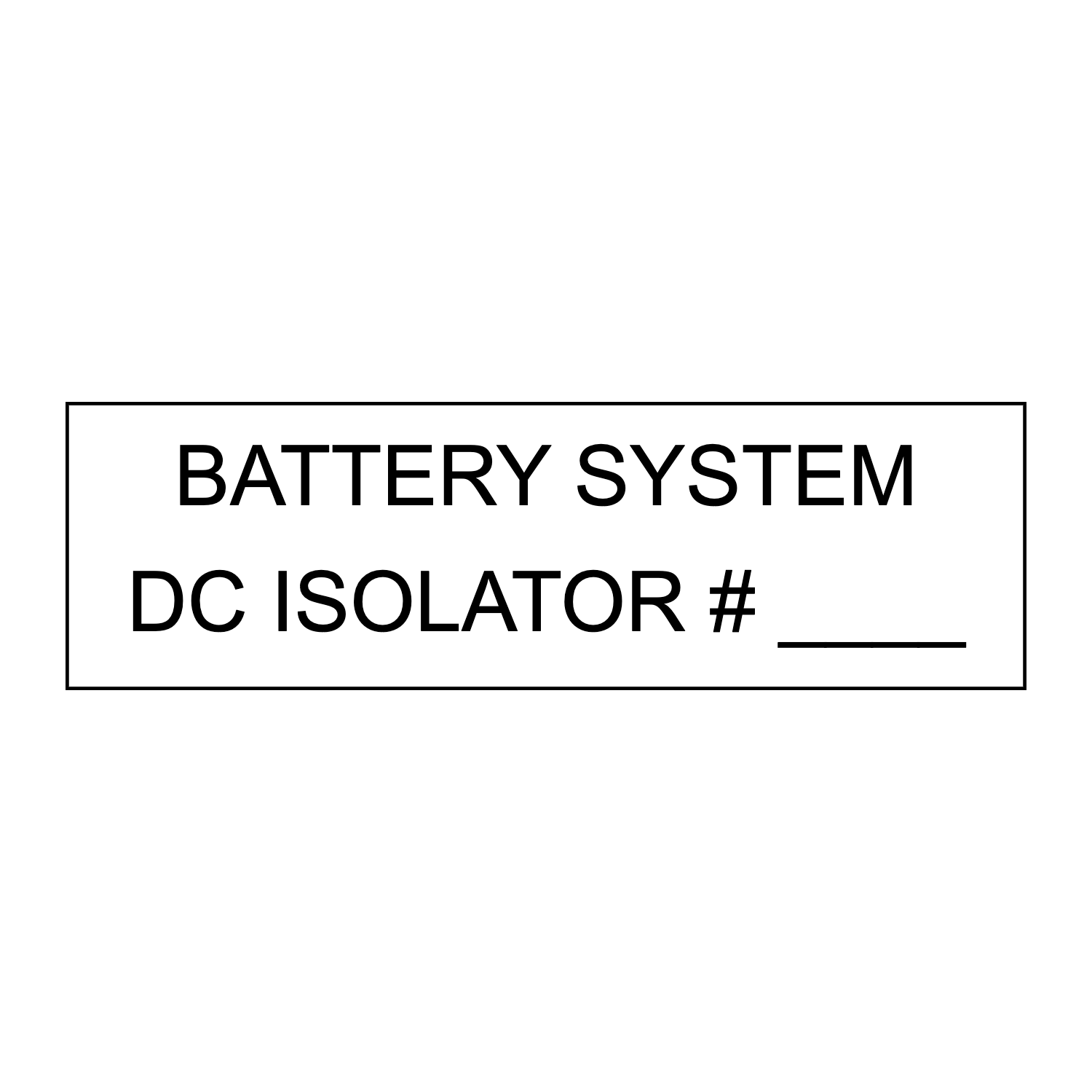
What Traffolyte actually is
A rigid two-ply engraving laminate: a coloured cap layer bonded to a core in a contrasting colour. Engraving cuts through the cap into the core, so the letter you read is the core showing through. No ink, no printed film, no adhesive label. We supply it in 1.4mm dual-ply.
Why engraved text cannot wear off
On a printed label the marking sits on top of the substrate, so it is the first thing to go: abrasion takes it off, solvent lifts it, sustained UV fades it until a plate still physically present says nothing at all. That last failure is the dangerous one — a blank plate reads as an unlabelled device, not a broken label.
An engraved plate has no such layer: wearing the text away means wearing away the cap, which only exposes more of the core.
What the colours mean
The colour is the substrate, not a coating. Black on white identifies a switch or circuit; coloured backgrounds are reserved for plates carrying a warning, so colour on a board means something. Also black on yellow, white on red, red on white and white on green.
When Traffolyte is the wrong answer
Engraving gives you exactly two colours, the cap and the core. Anything needing a symbol, a graphic or more than two colours is not a Traffolyte job — printed vinyl does it properly and an engraved plate cannot do it at all. A hazard triangle catches people out, because it has to be decided before the plate is made.
Large format is the second. Engraved laminate is cut from sheet and priced by area, so past a palm-sized plate the cost climbs quickly — a sign read from across a plant room is cheaper as printed vinyl or a polypropylene plaque.
Third, a rigid plate has to sit flat. Conduit and anything curved want an adhesive vinyl that follows the surface — a plate bridged across a curve is held on by its corners and will eventually be found on the floor.
And for sustained full sun outdoors, specify deliberately rather than by default: a UV-stabilised vinyl, or a reflective face where the sign must be found by torchlight. We would rather send you the right one than sell you the one this page is about.
Sizes and fixing
Most plates here are 18x18mm, which fits the face of a standard main switch without crowding the devices beside it; longer wording goes onto strip plates so the text stays readable. Fixing is 3M adhesive tape, pre-drilled holes, or a clean cut edge.
Which standards apply
Depending on the plate, the relevant standards are AS/NZS 3000, AS/NZS 5033 for PV arrays, AS/NZS 4777.1 for inverter energy systems, and AS/NZS 5139 for batteries. We make the labels; we don't certify installations — check a clause with your inspector. If the job specifies exact wording, send it as written.
Buying a full set
Need every plate for one job? The label kits are pre-assembled sets, mostly engraved Traffolyte. A kit spans several materials, so it is not grouped above.