
Switchboard Labels
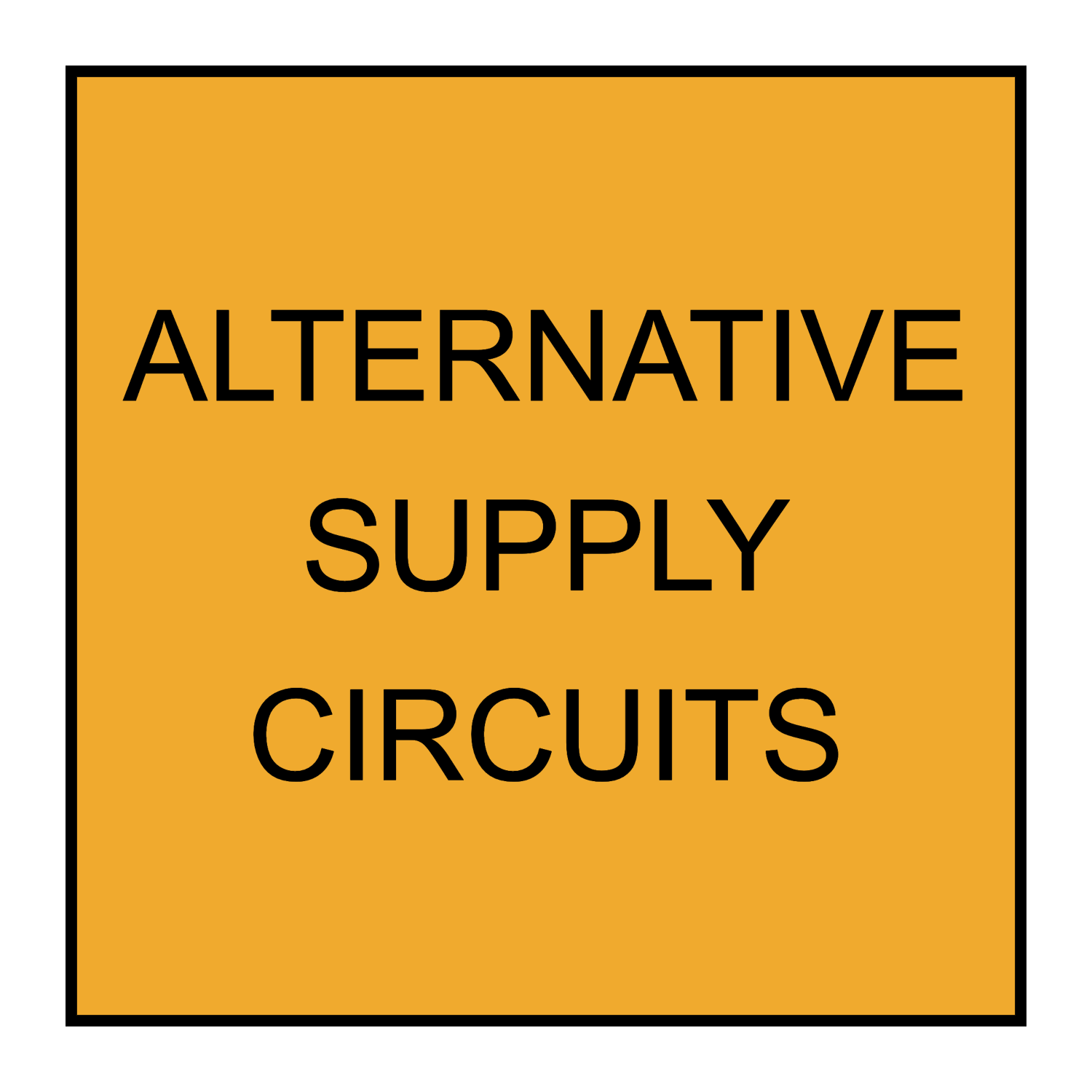
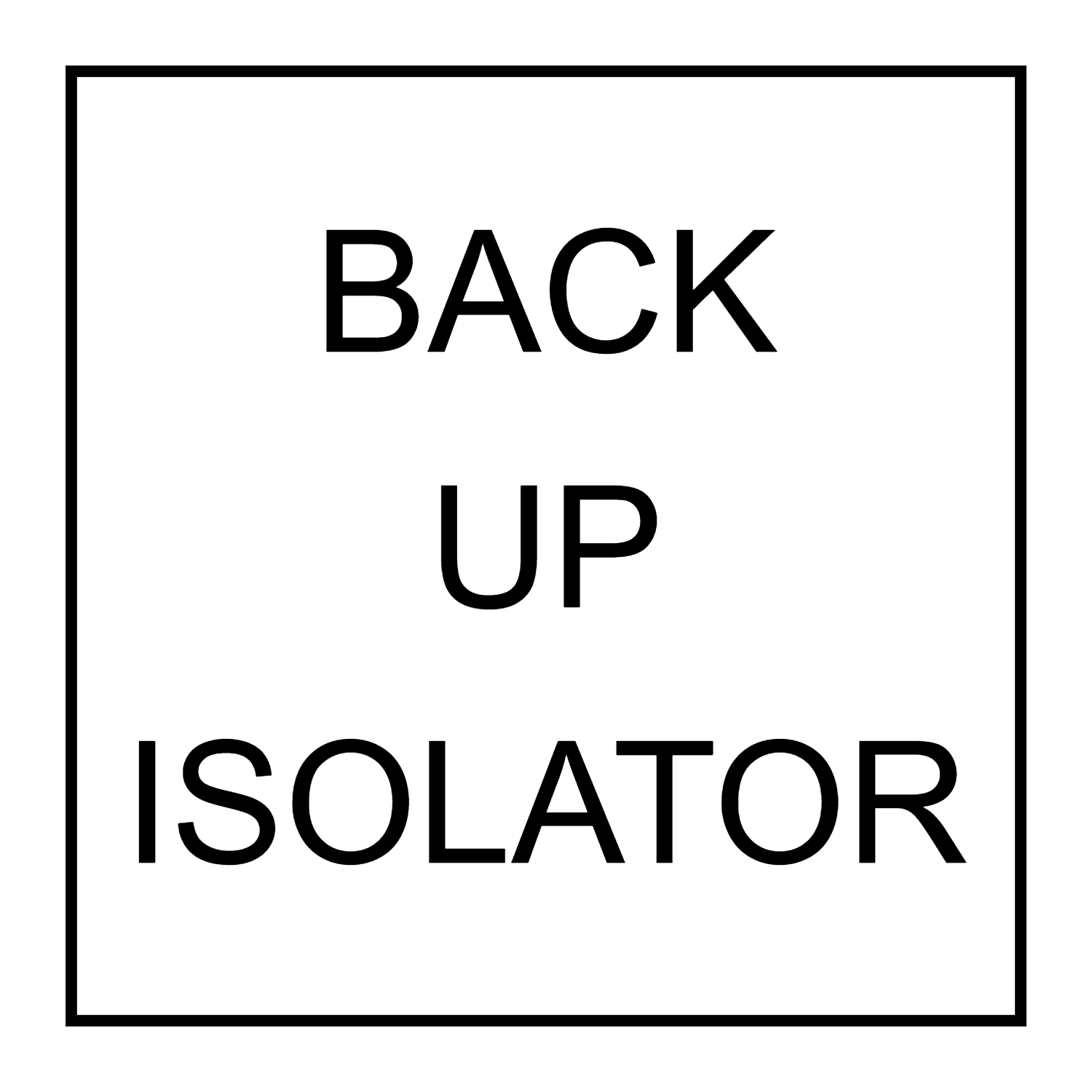
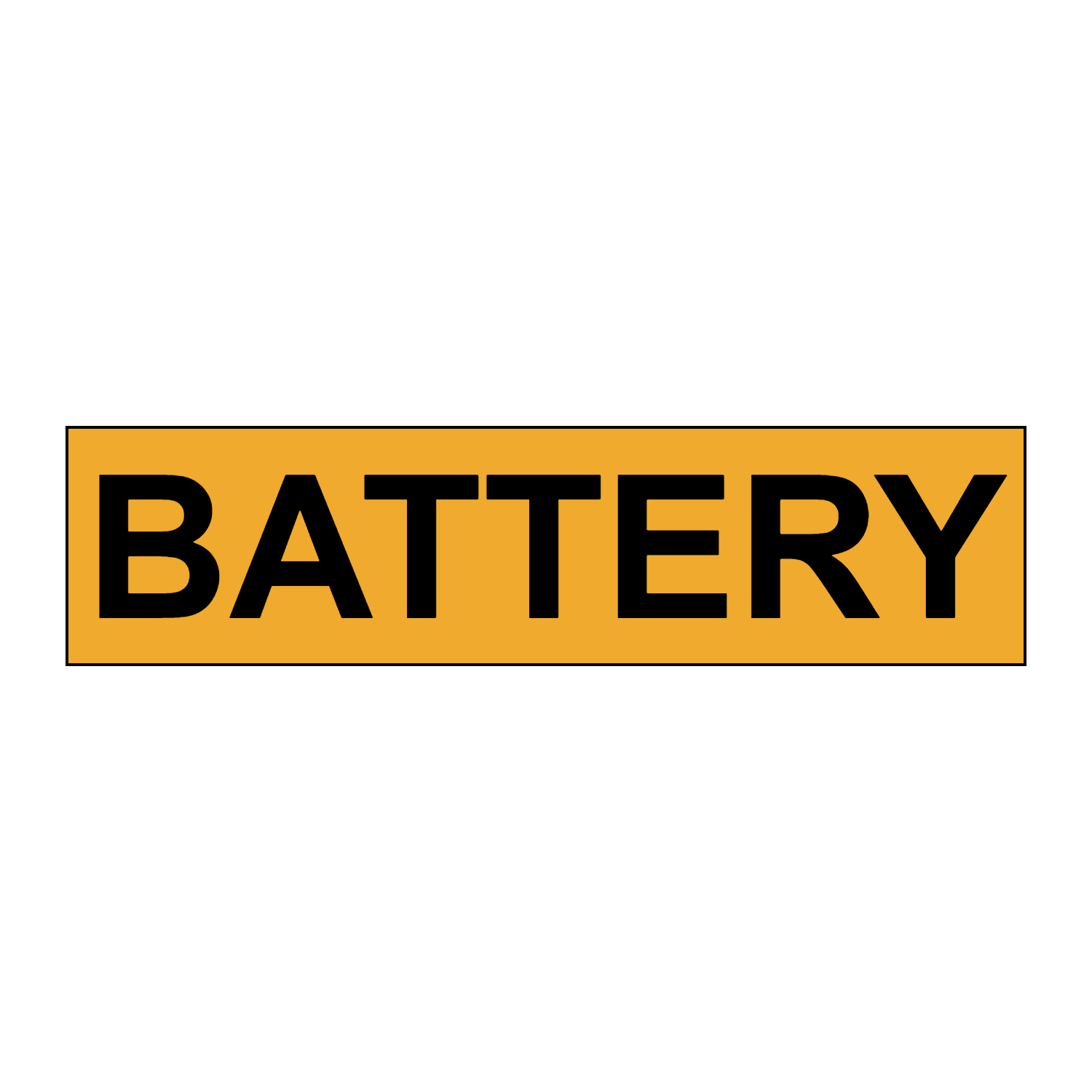
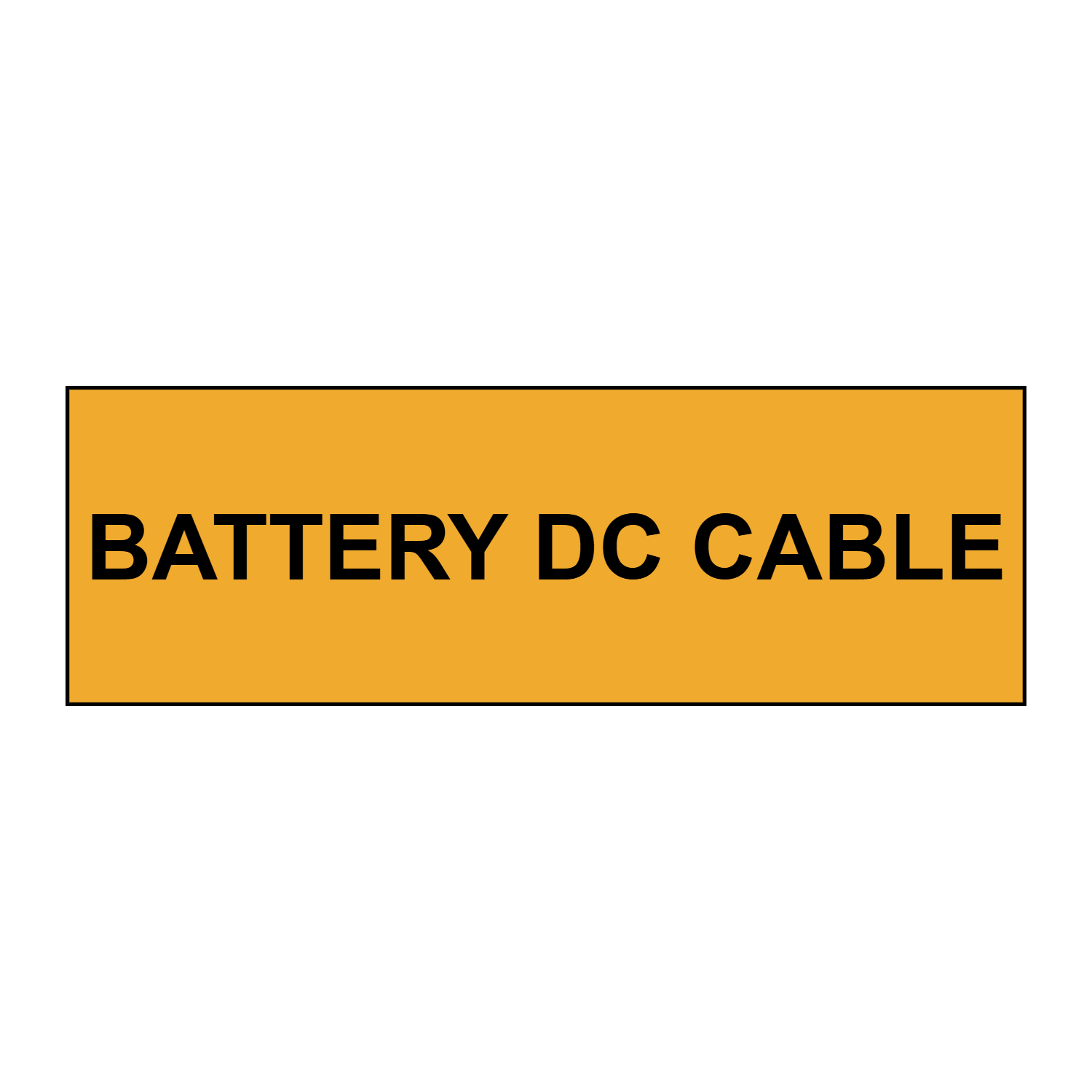
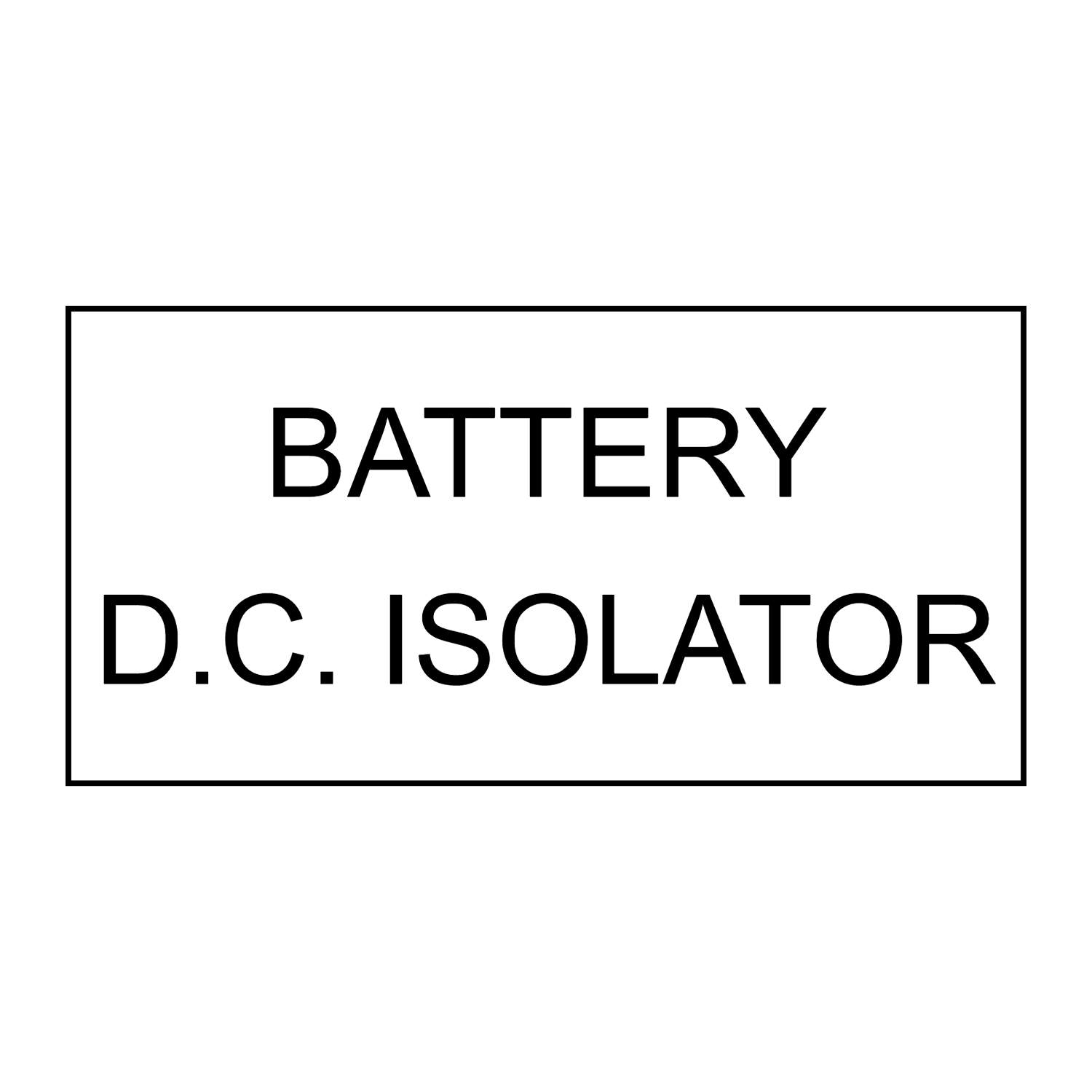
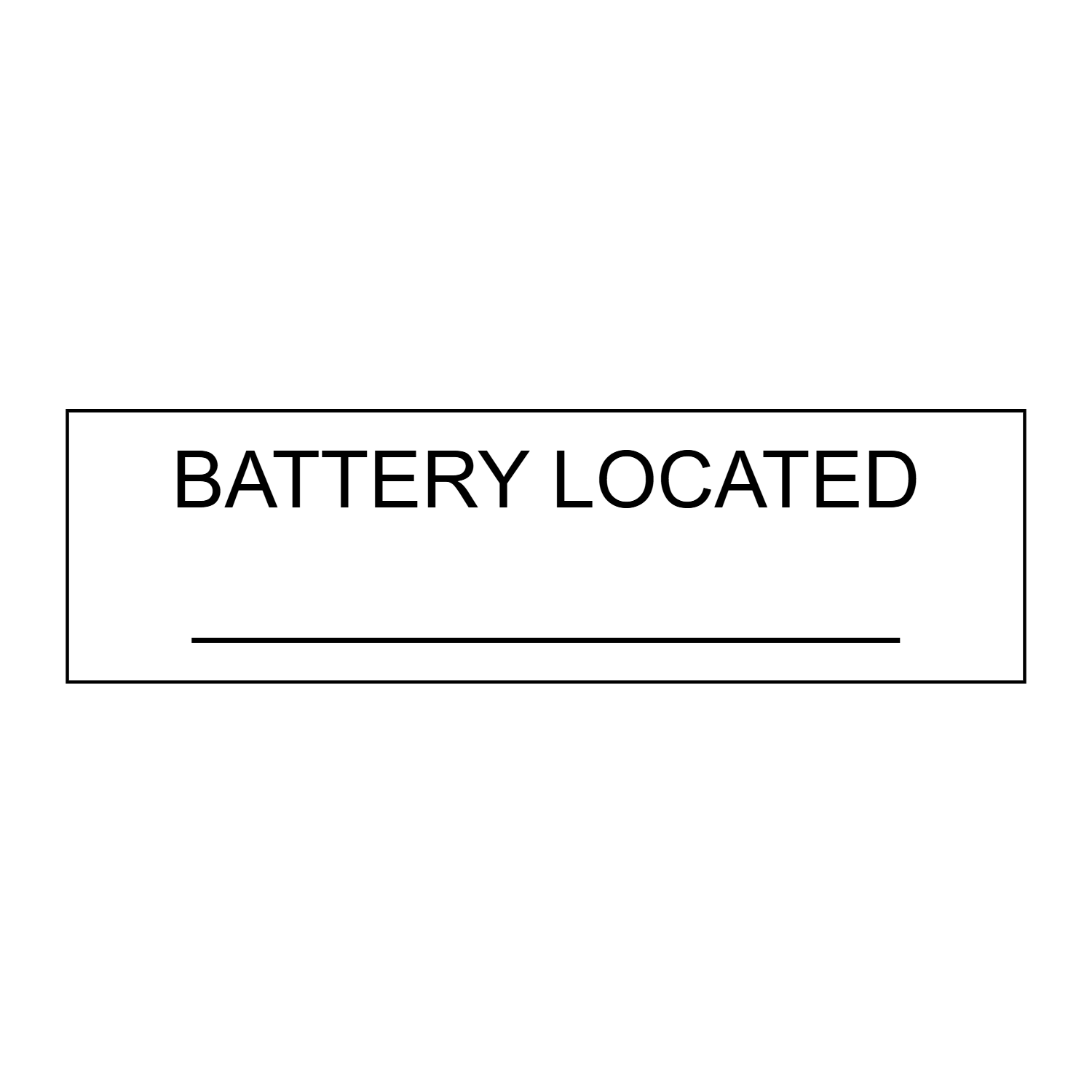
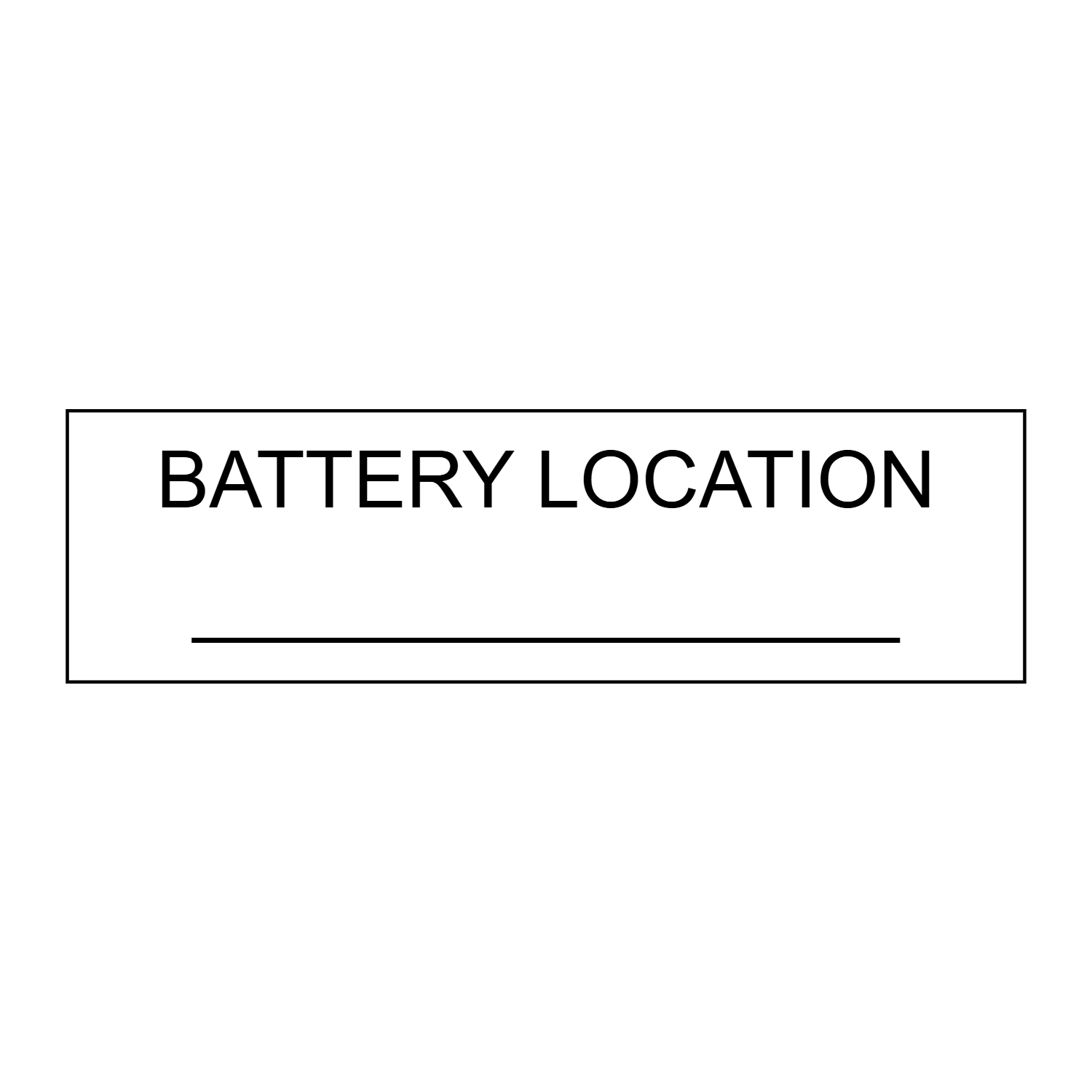
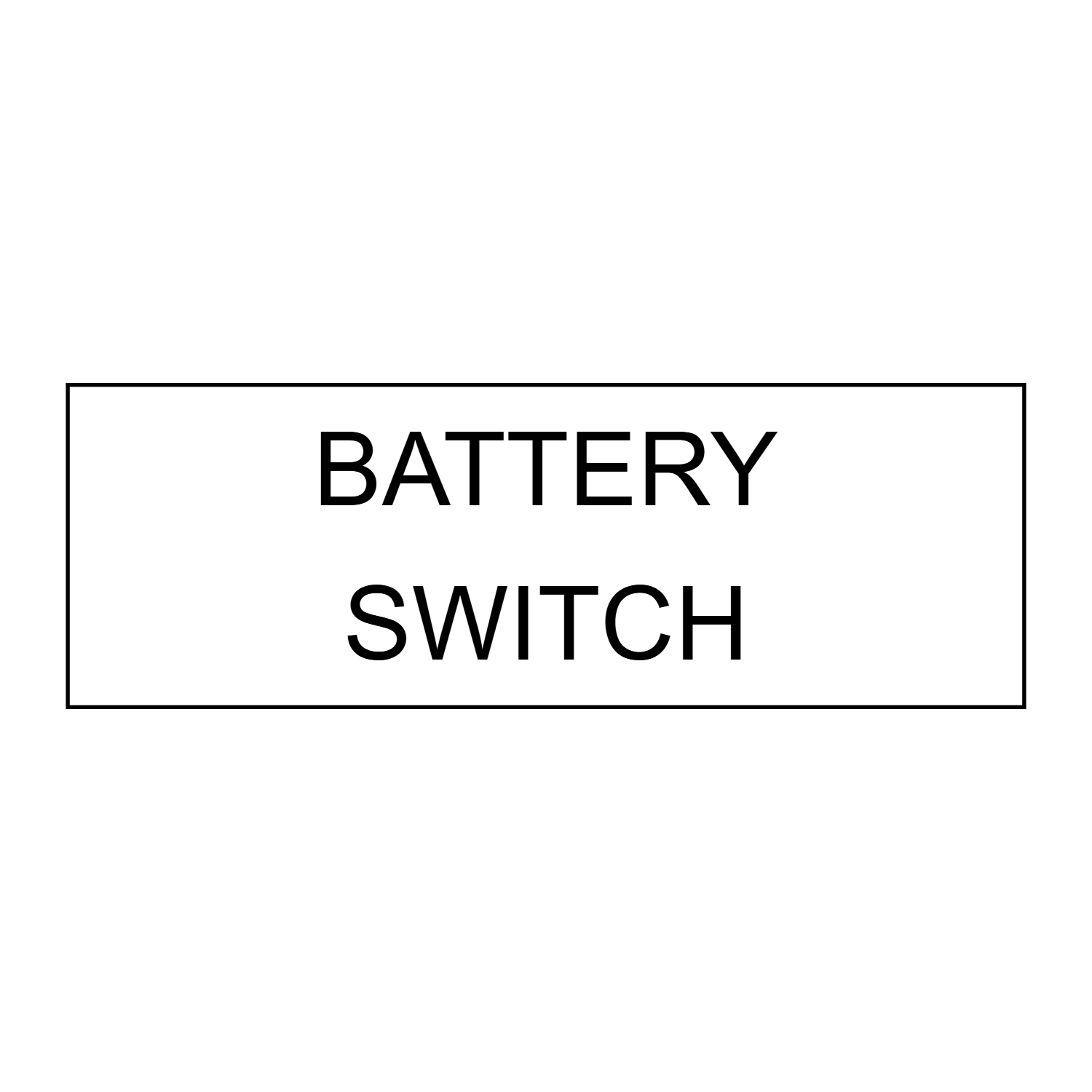
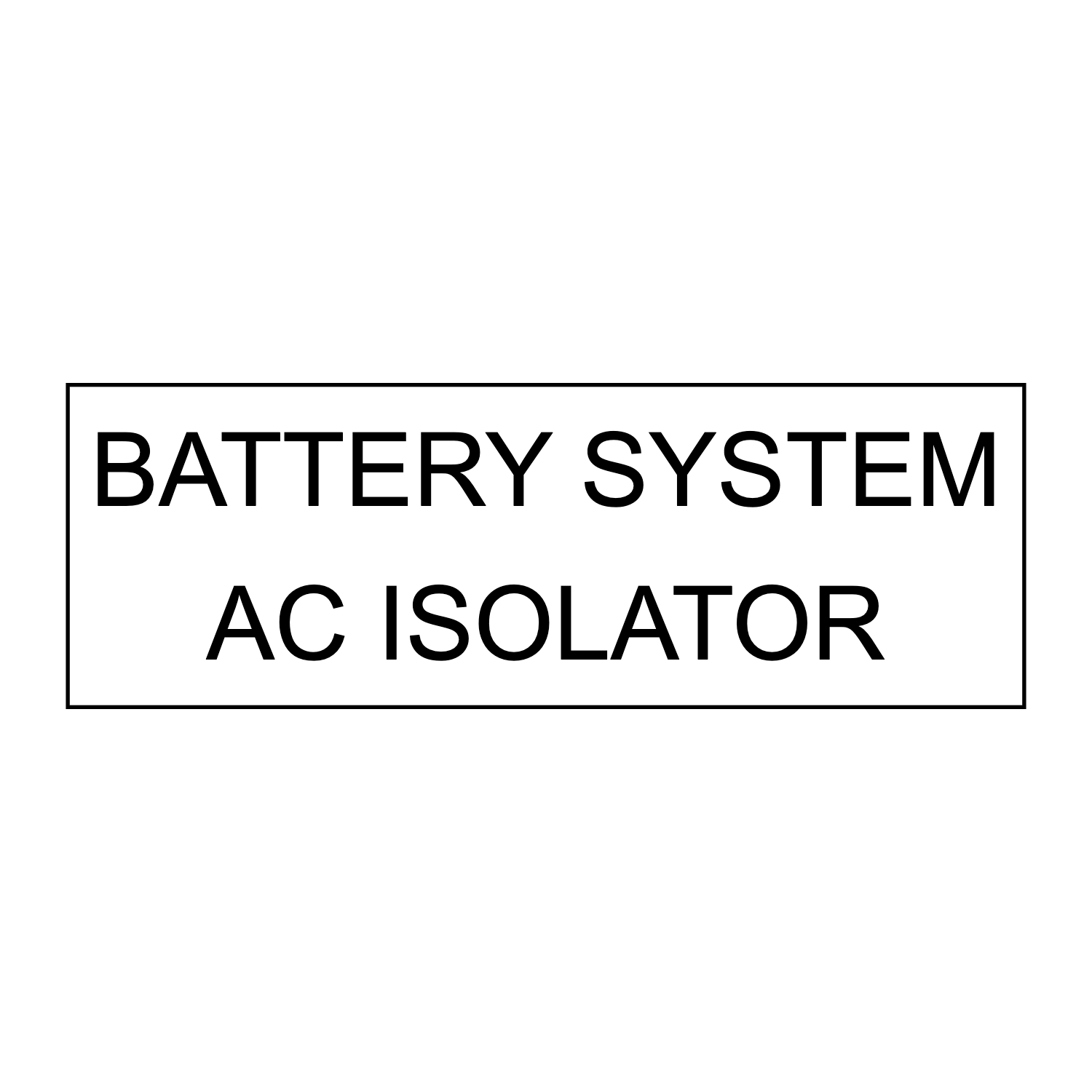
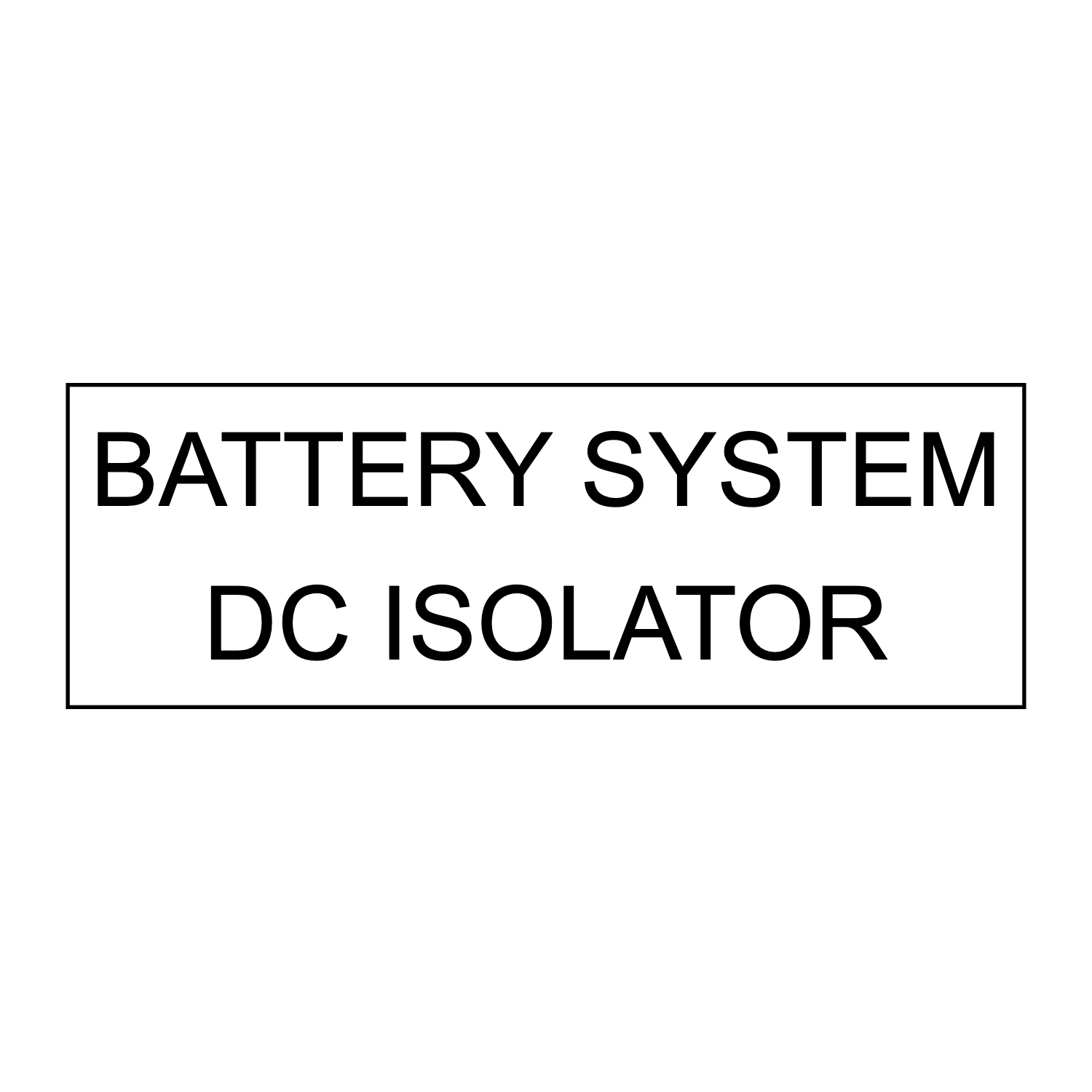
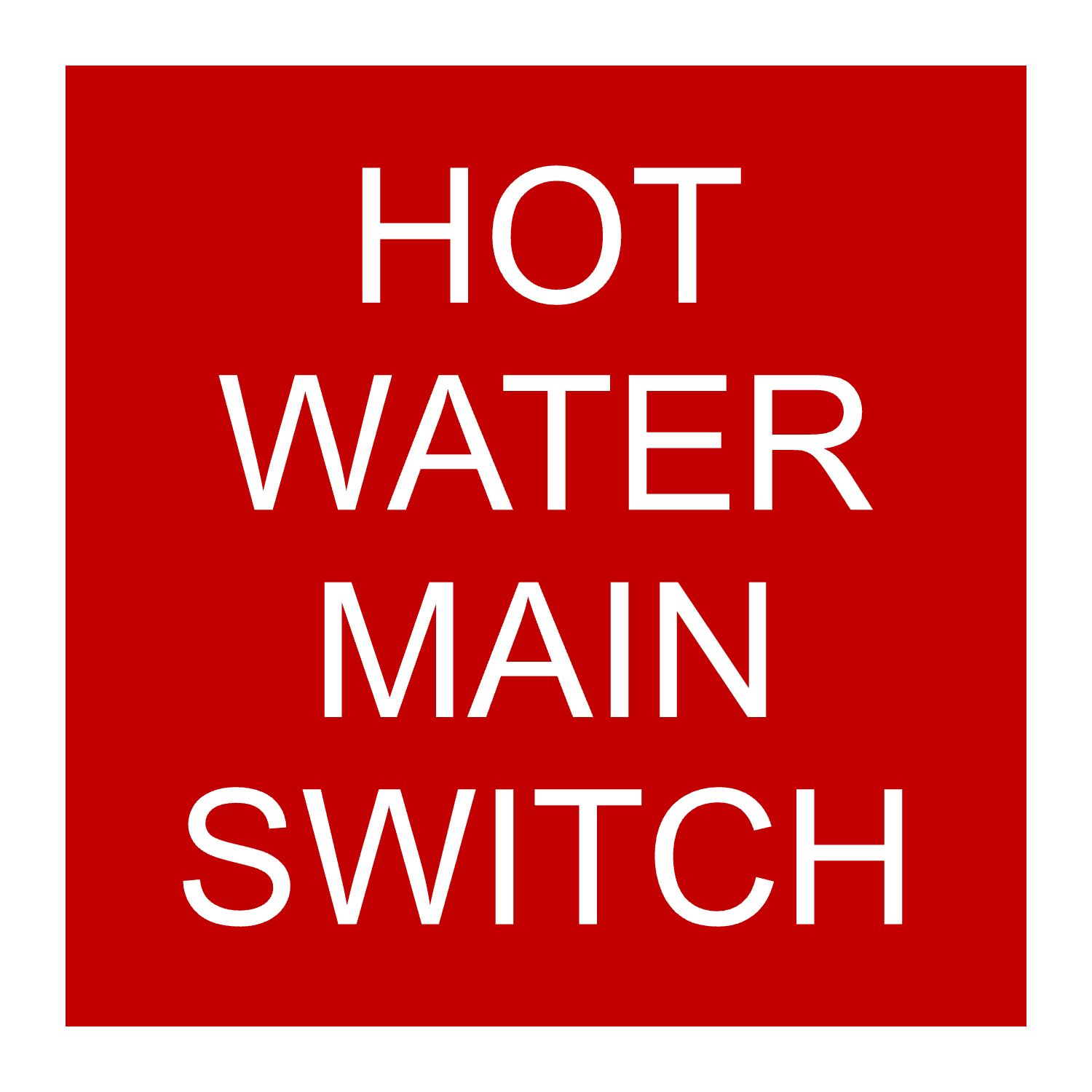
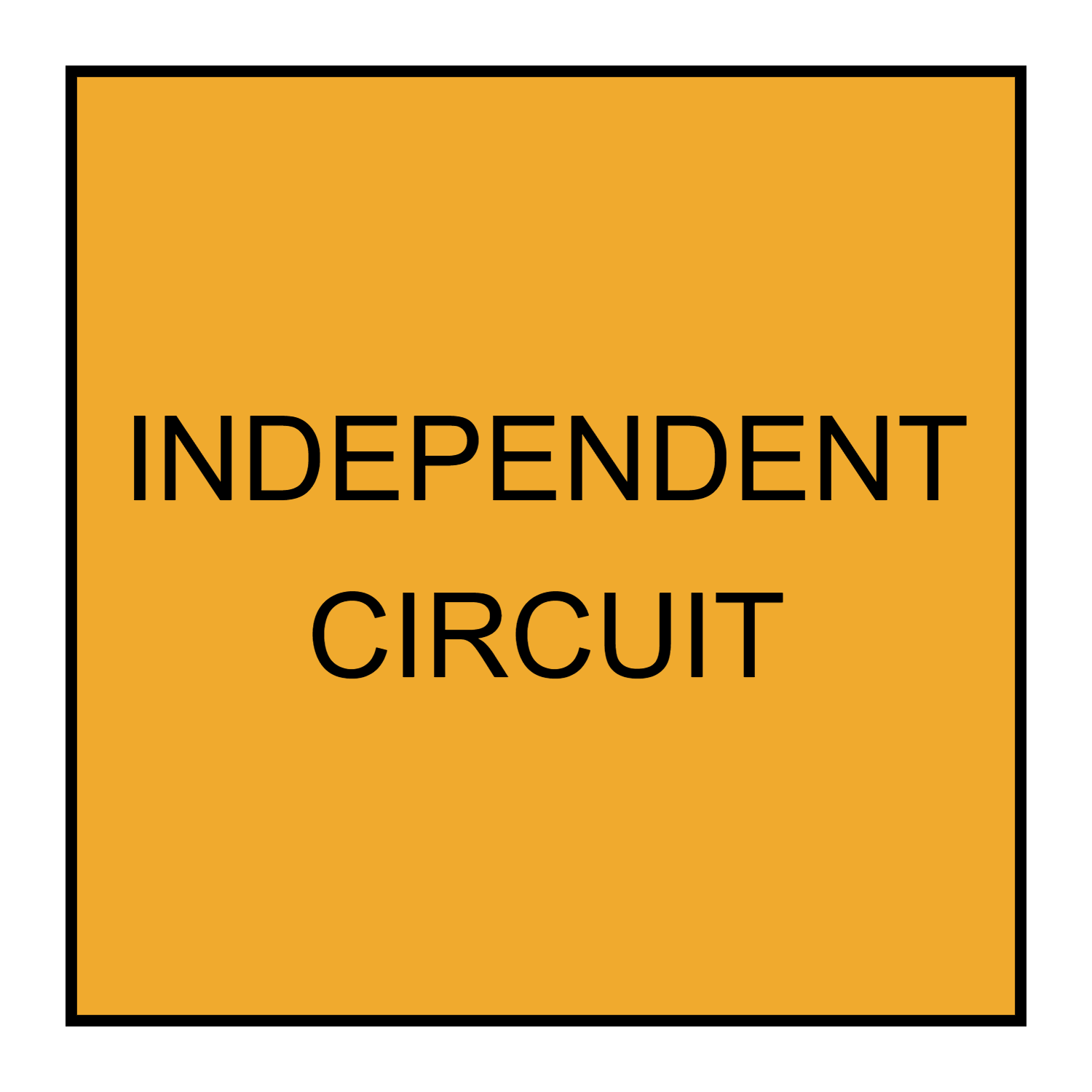
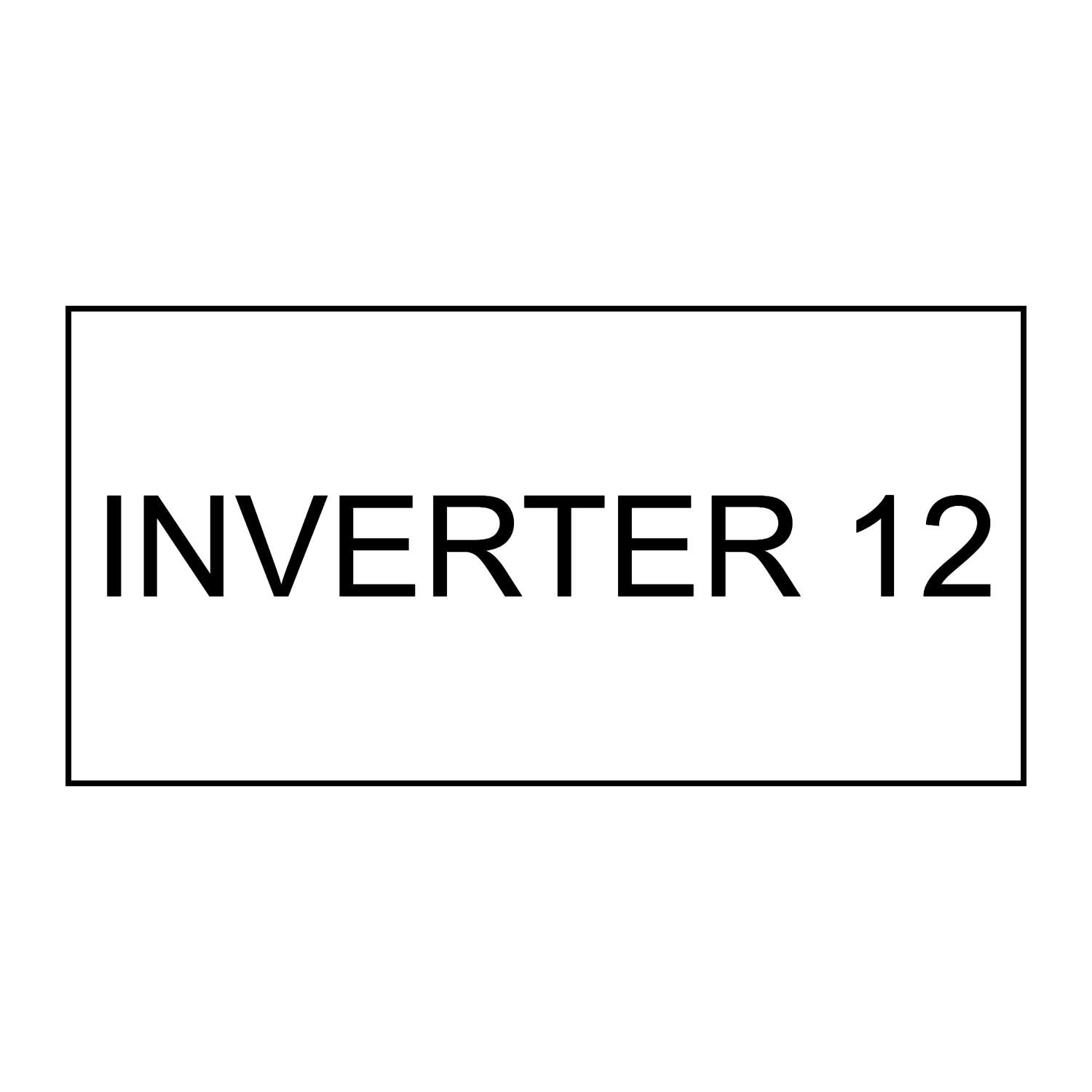
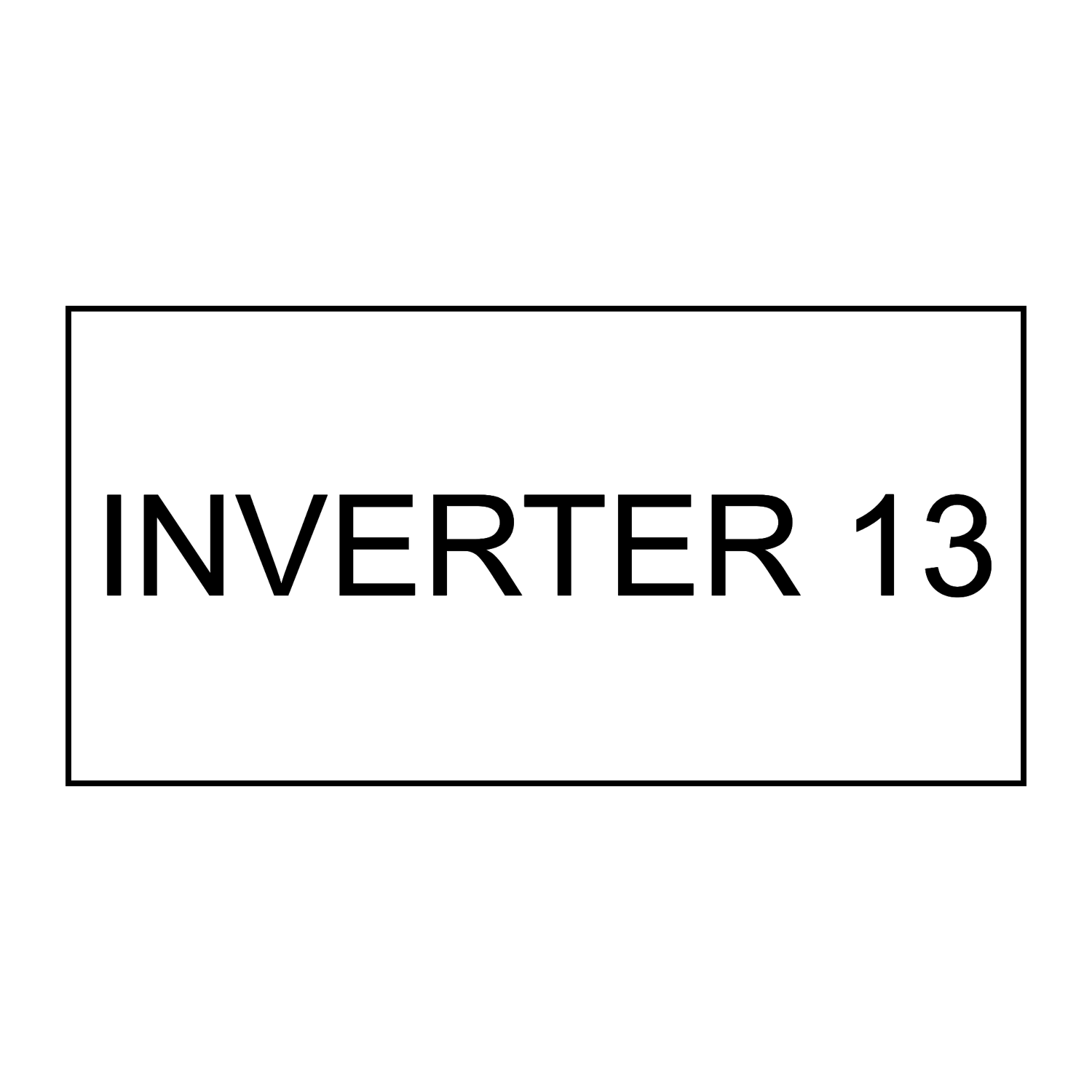
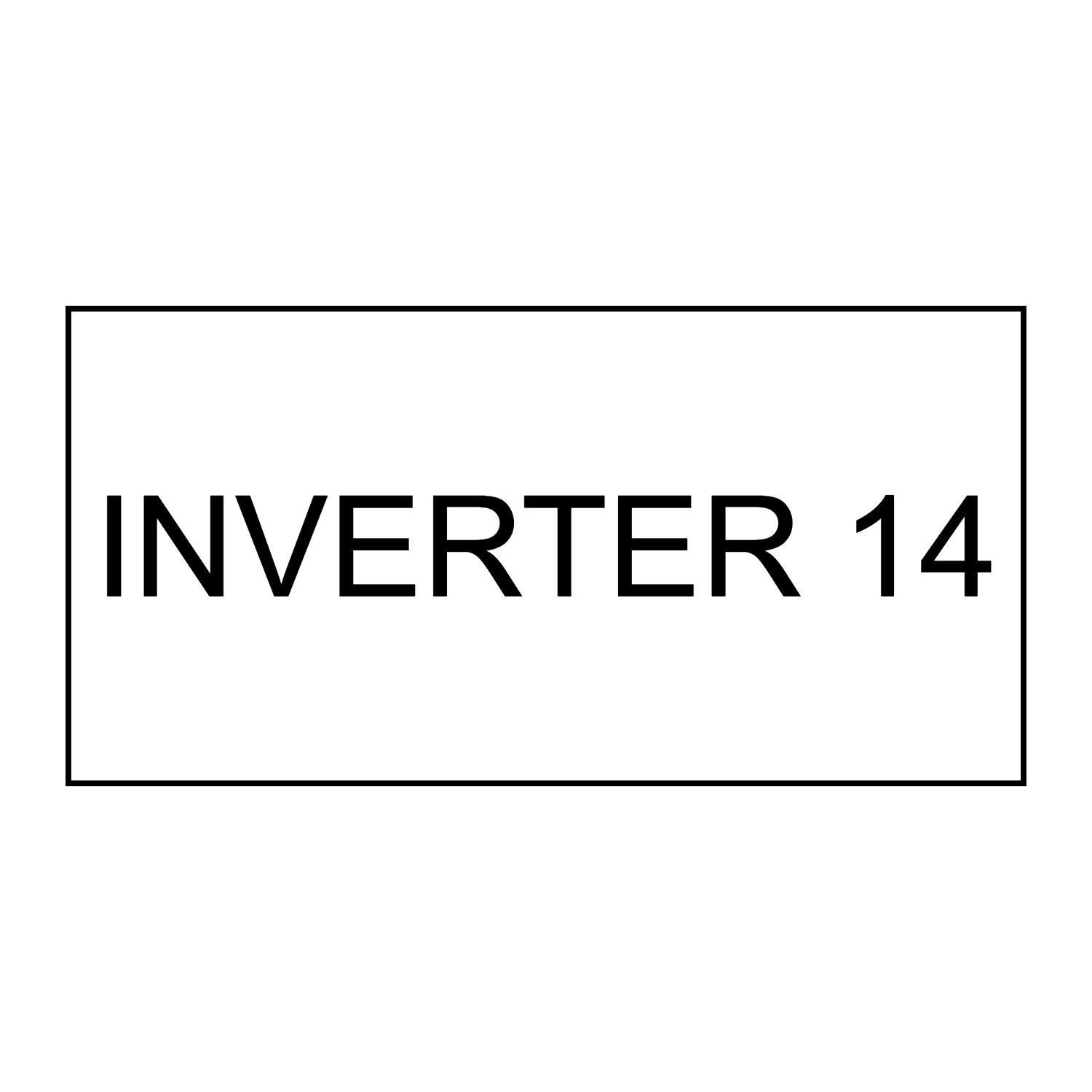
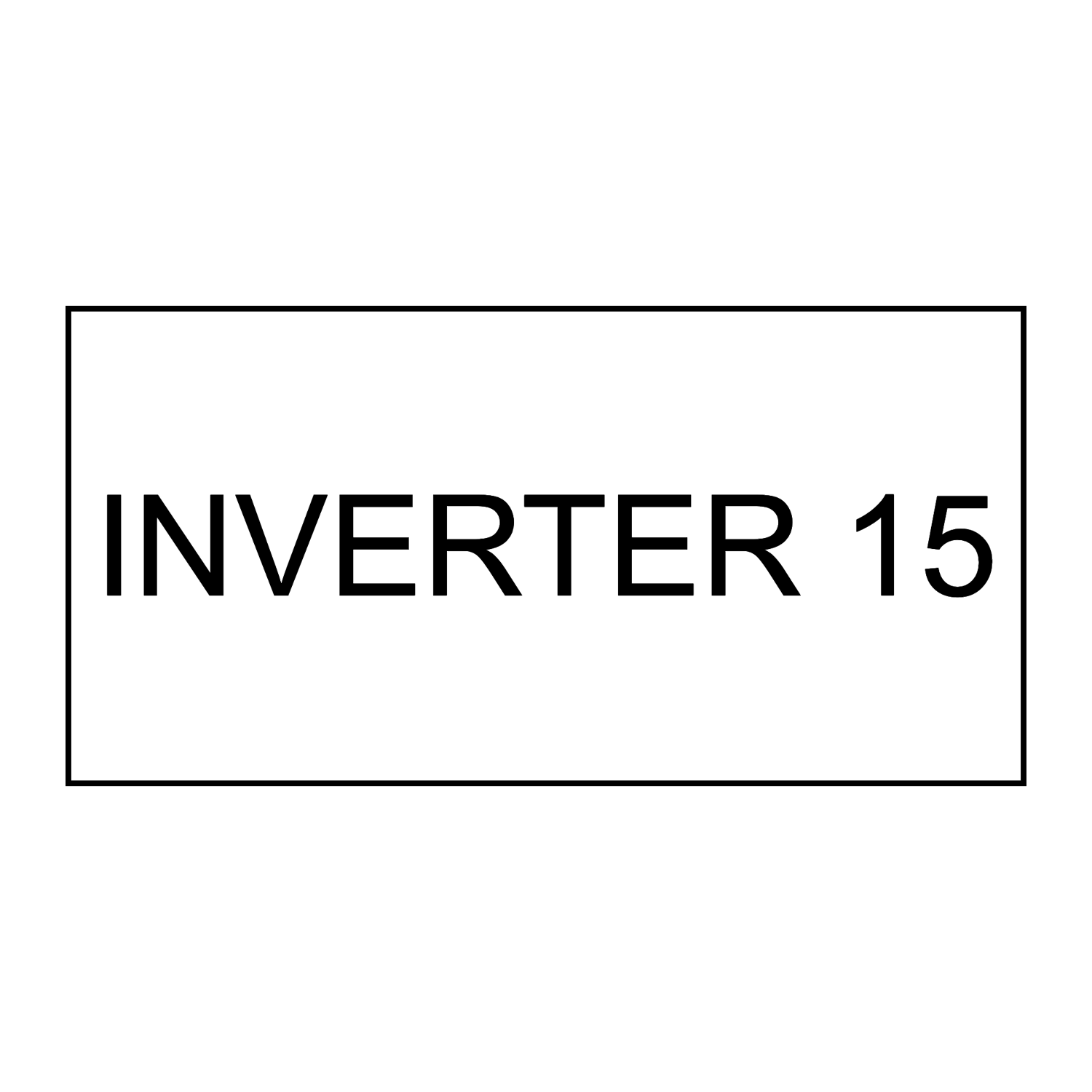
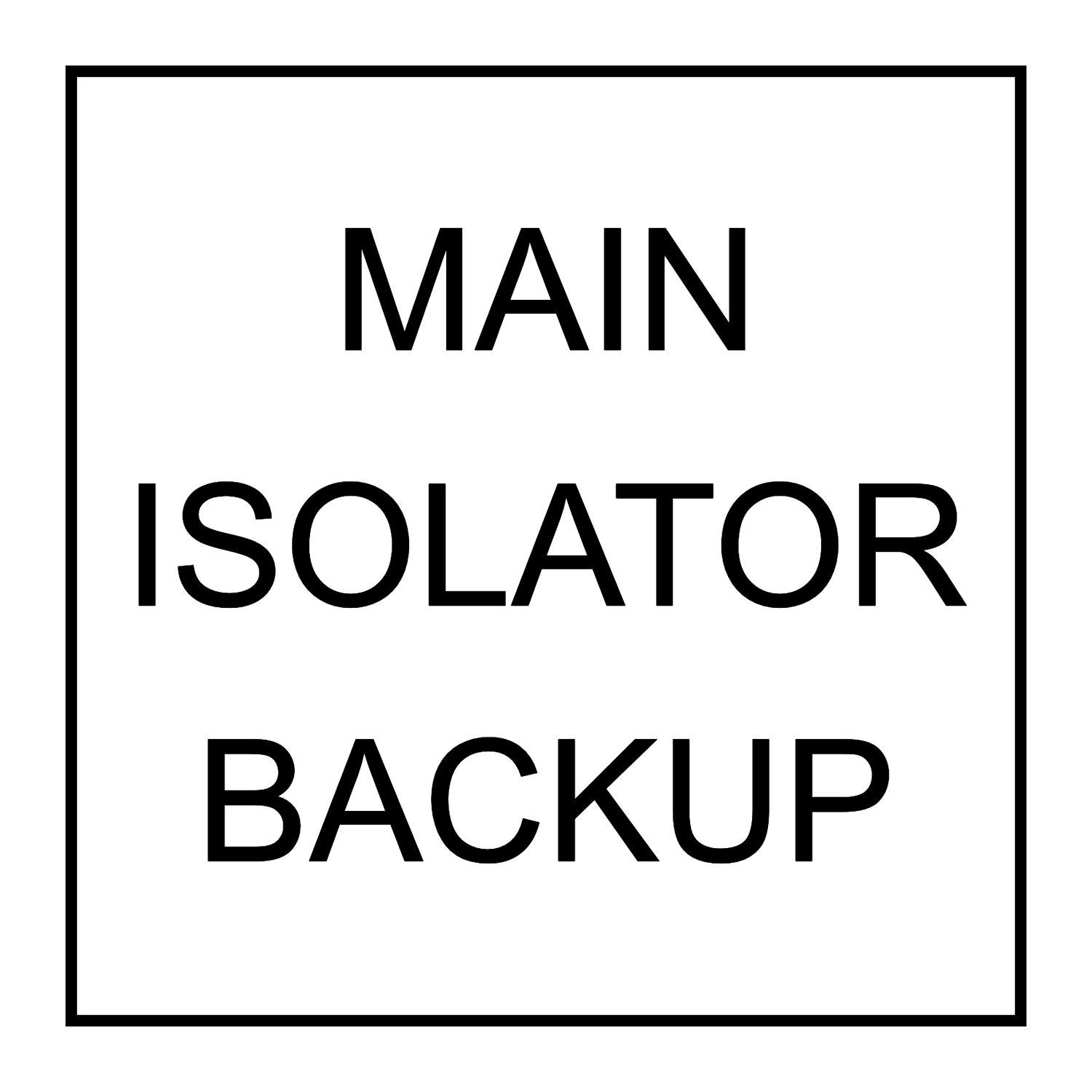
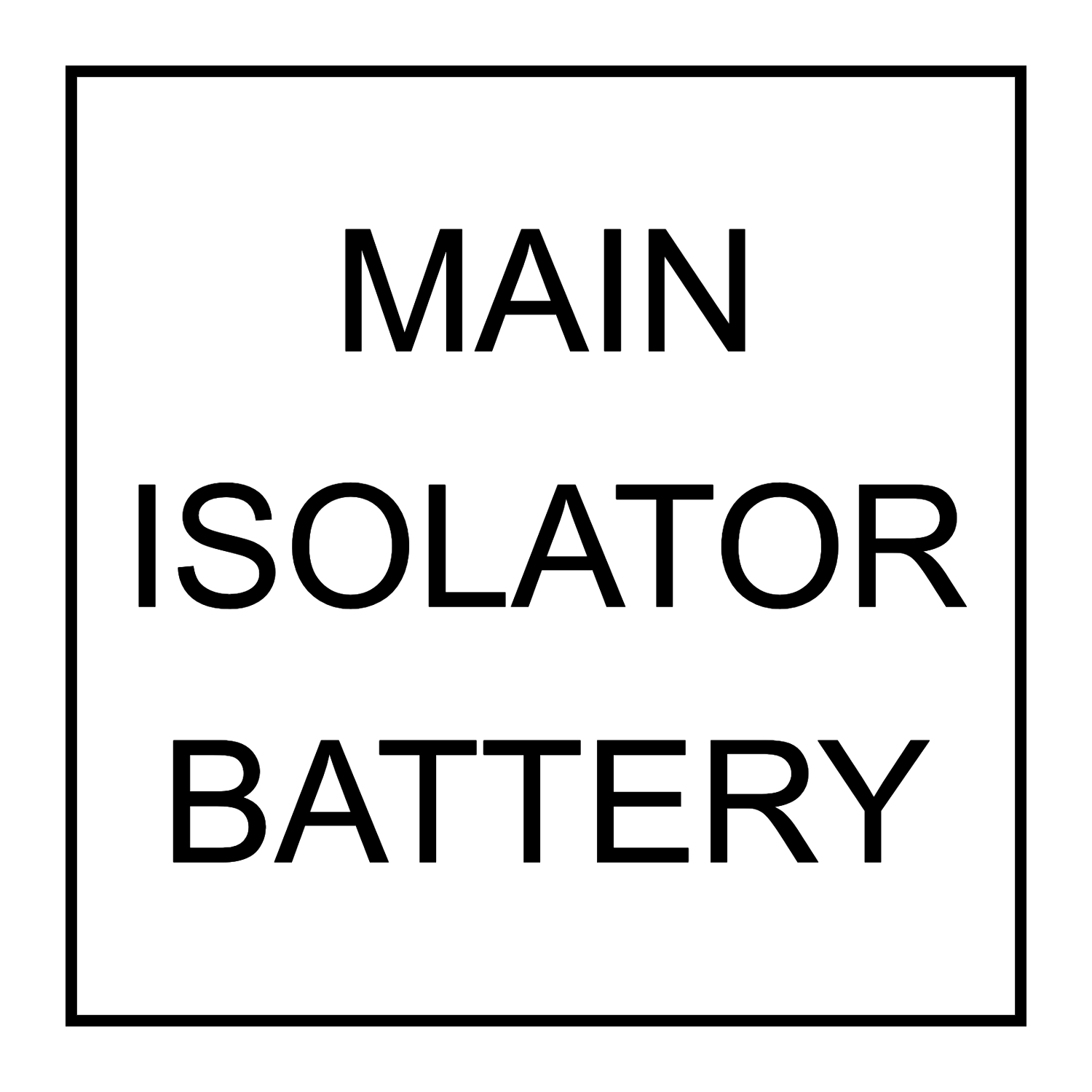
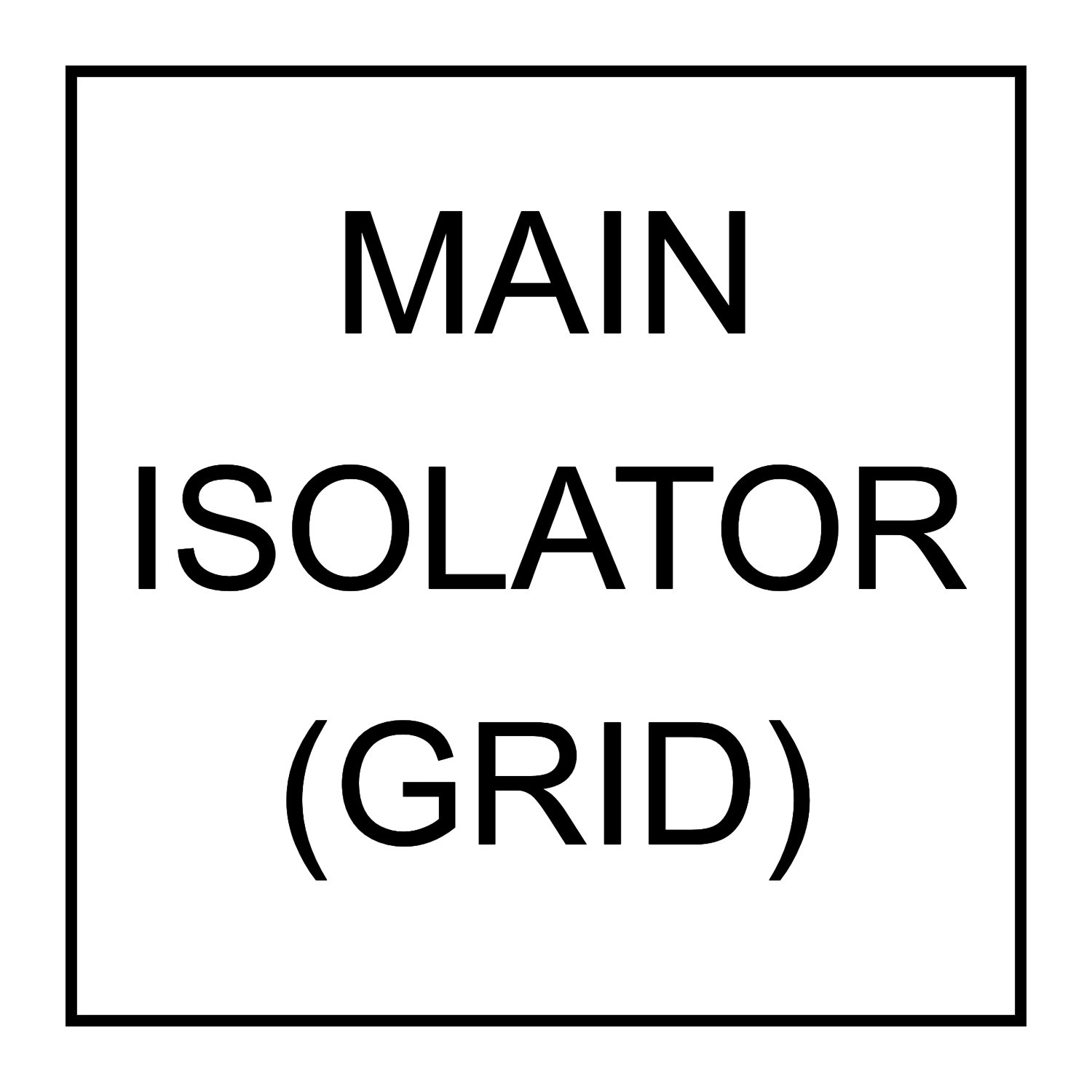
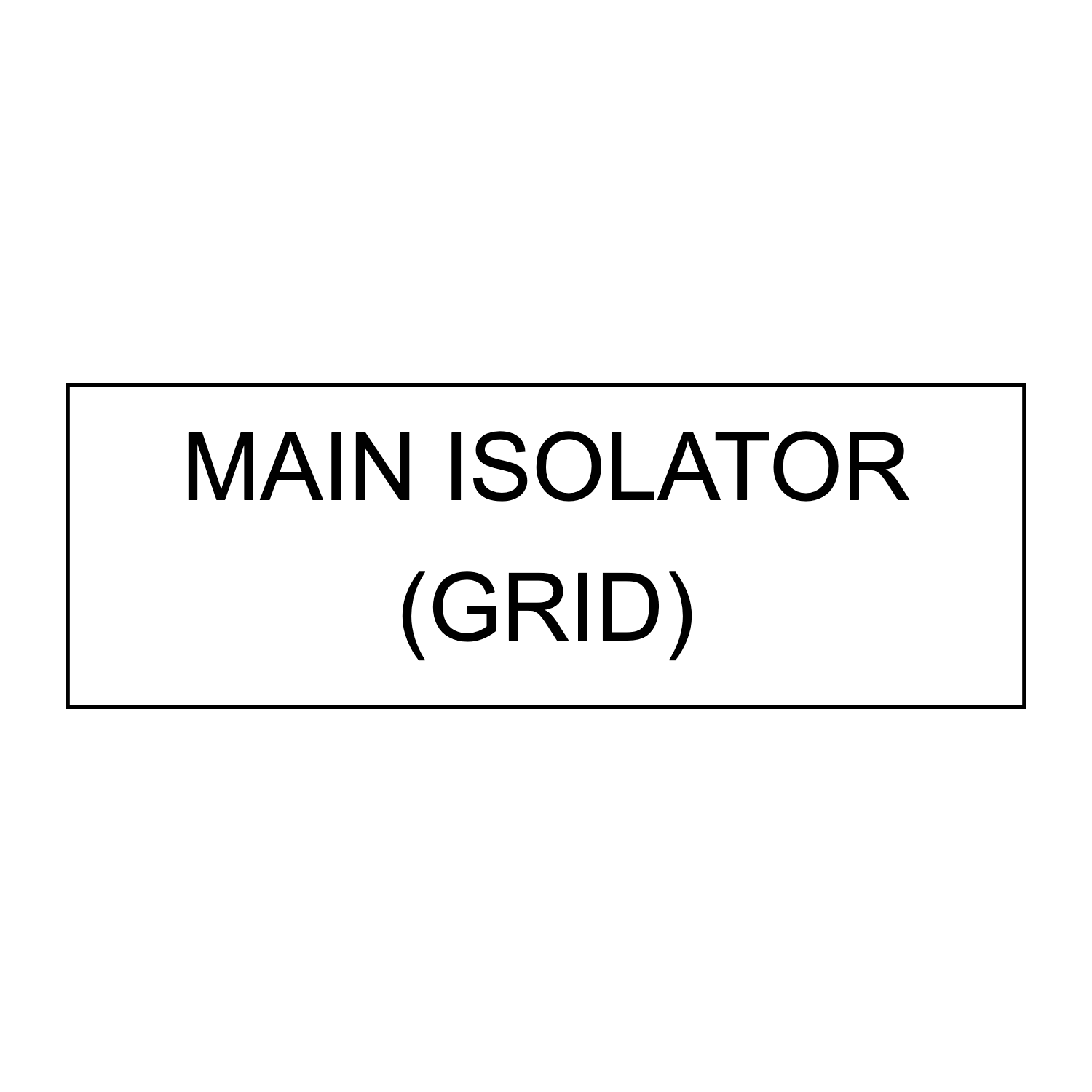
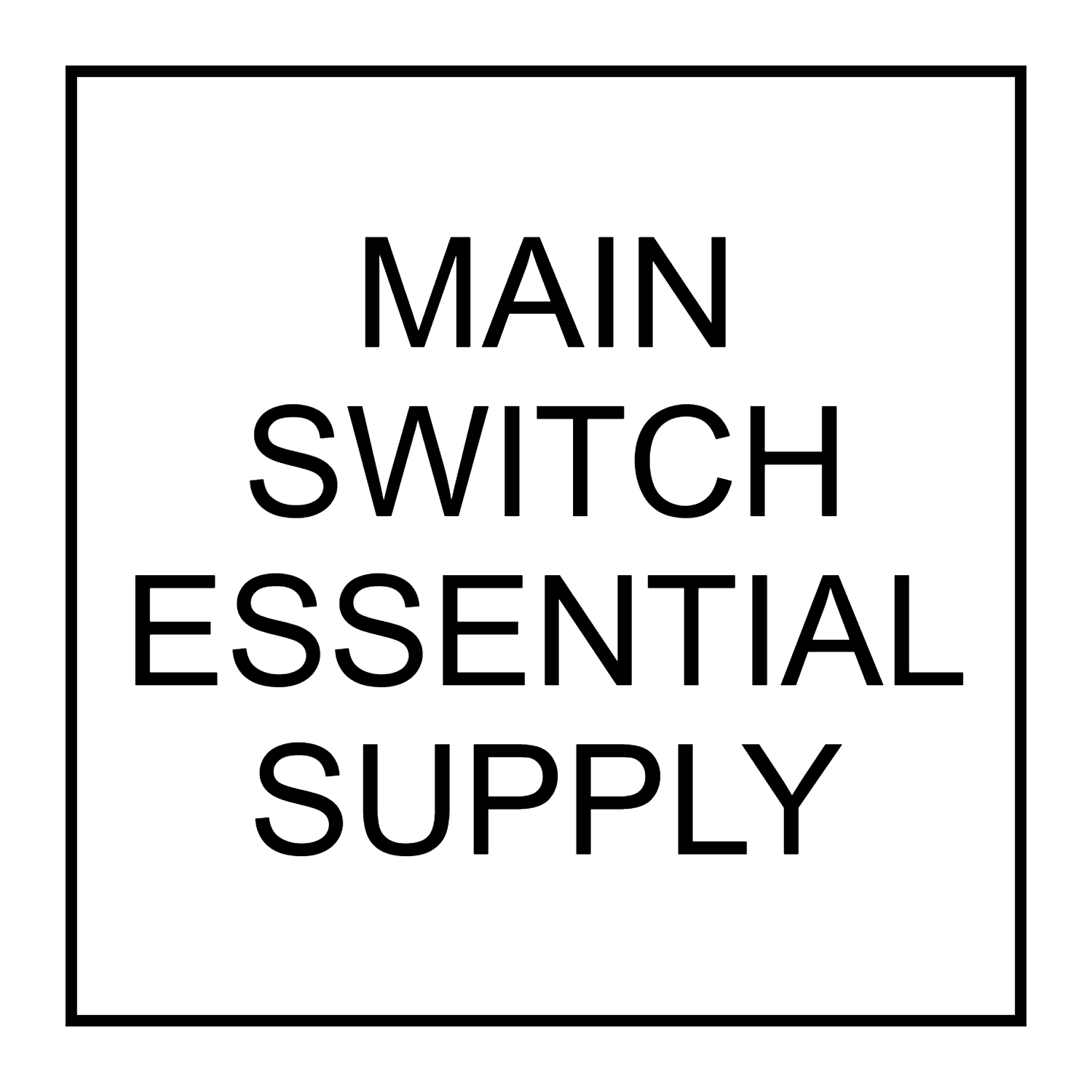
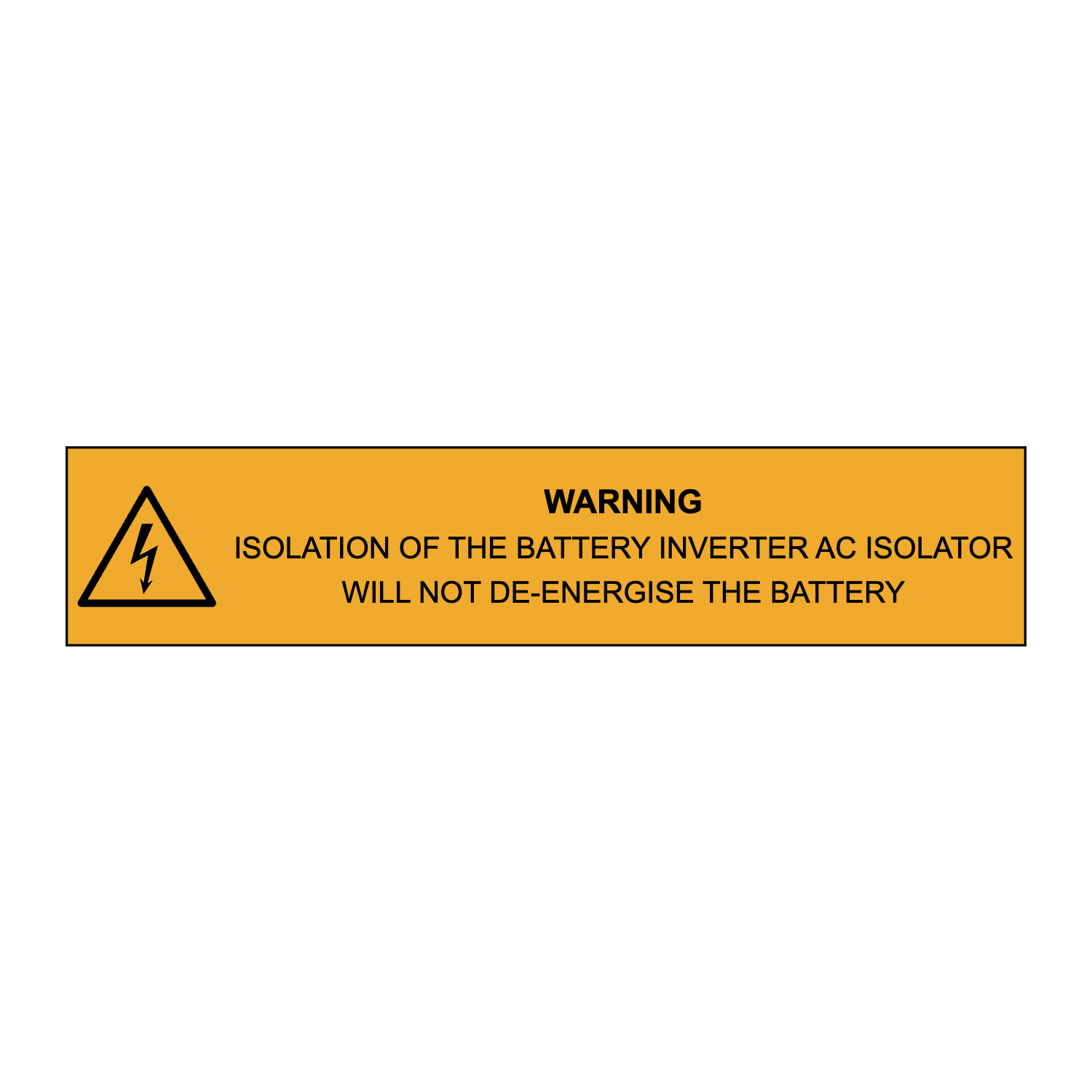
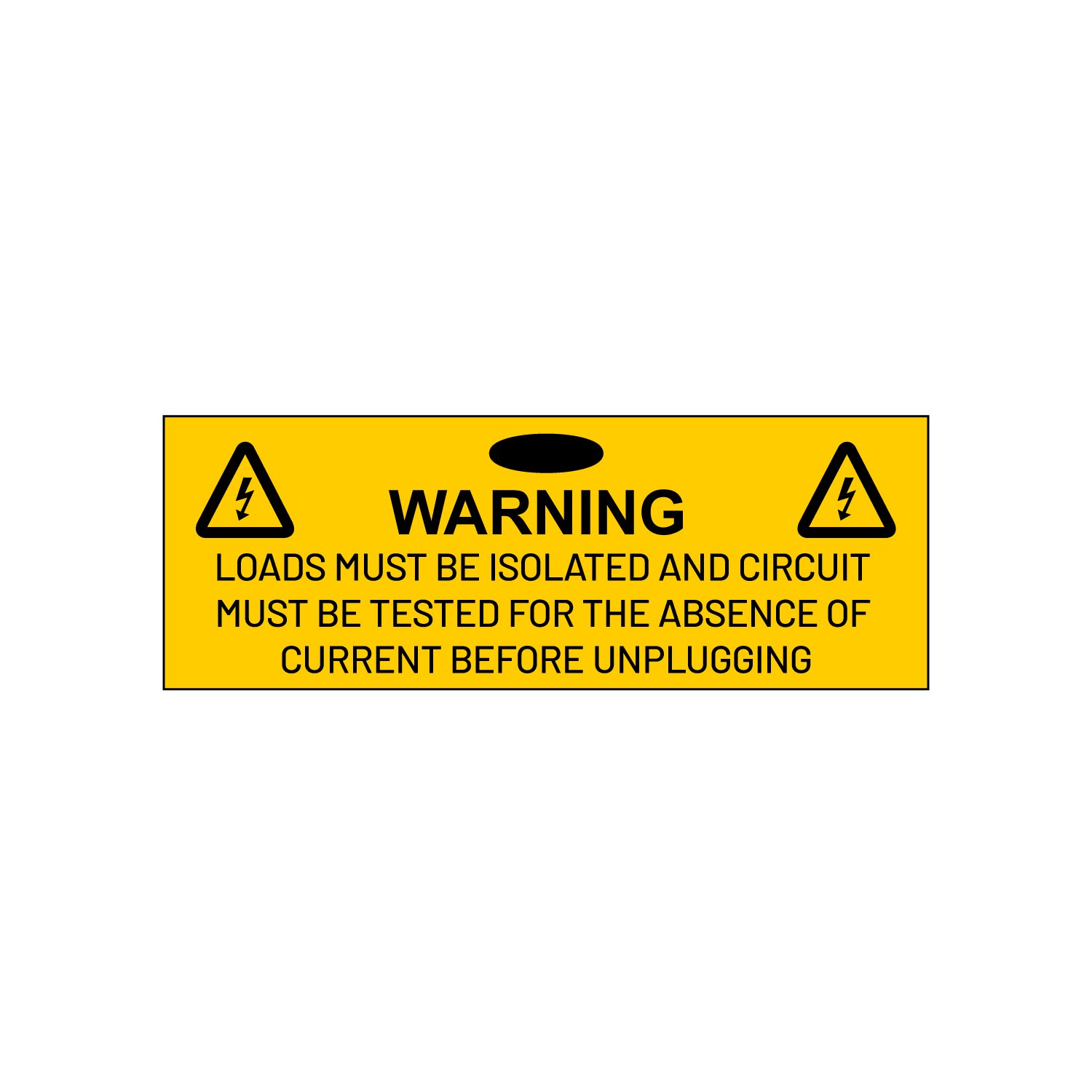
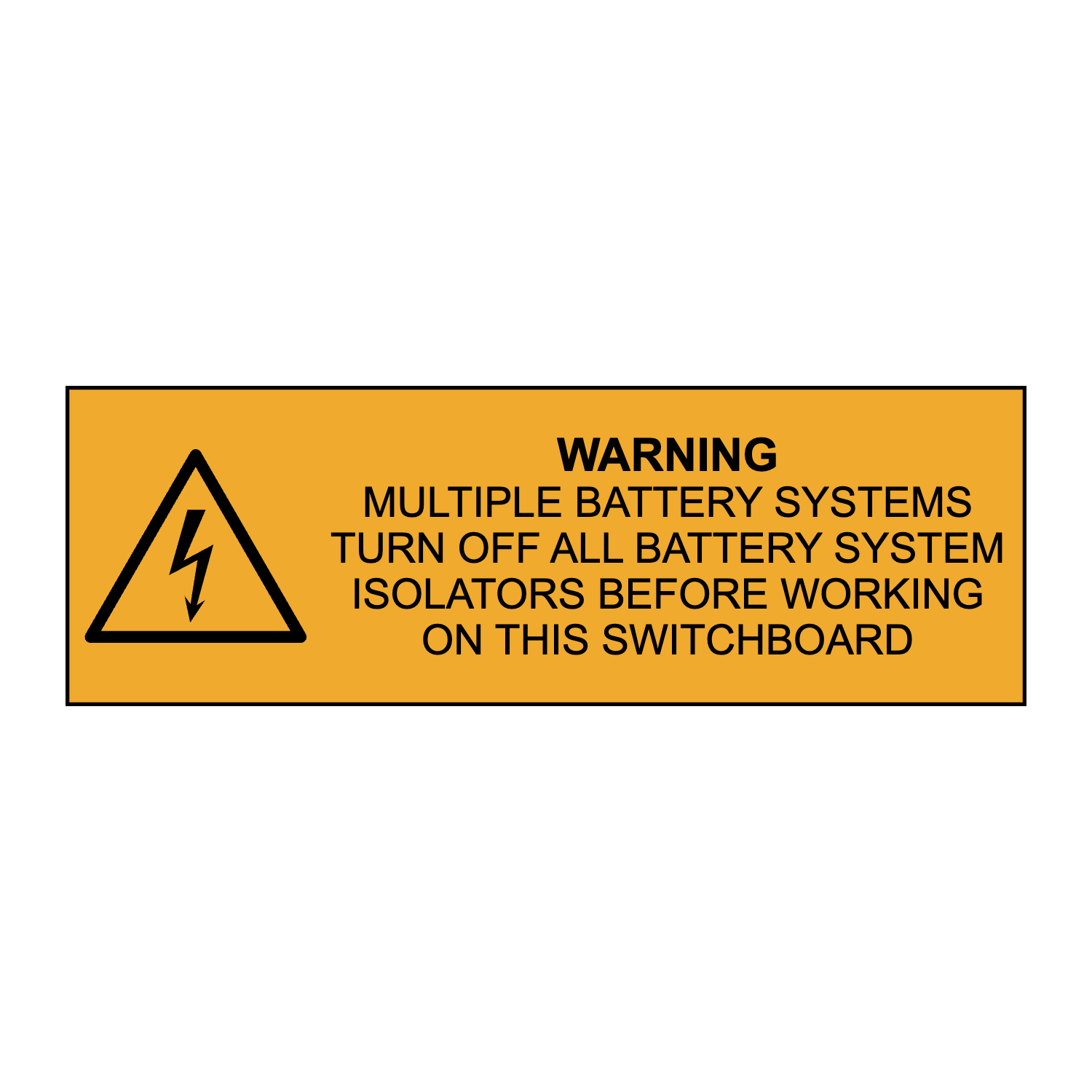
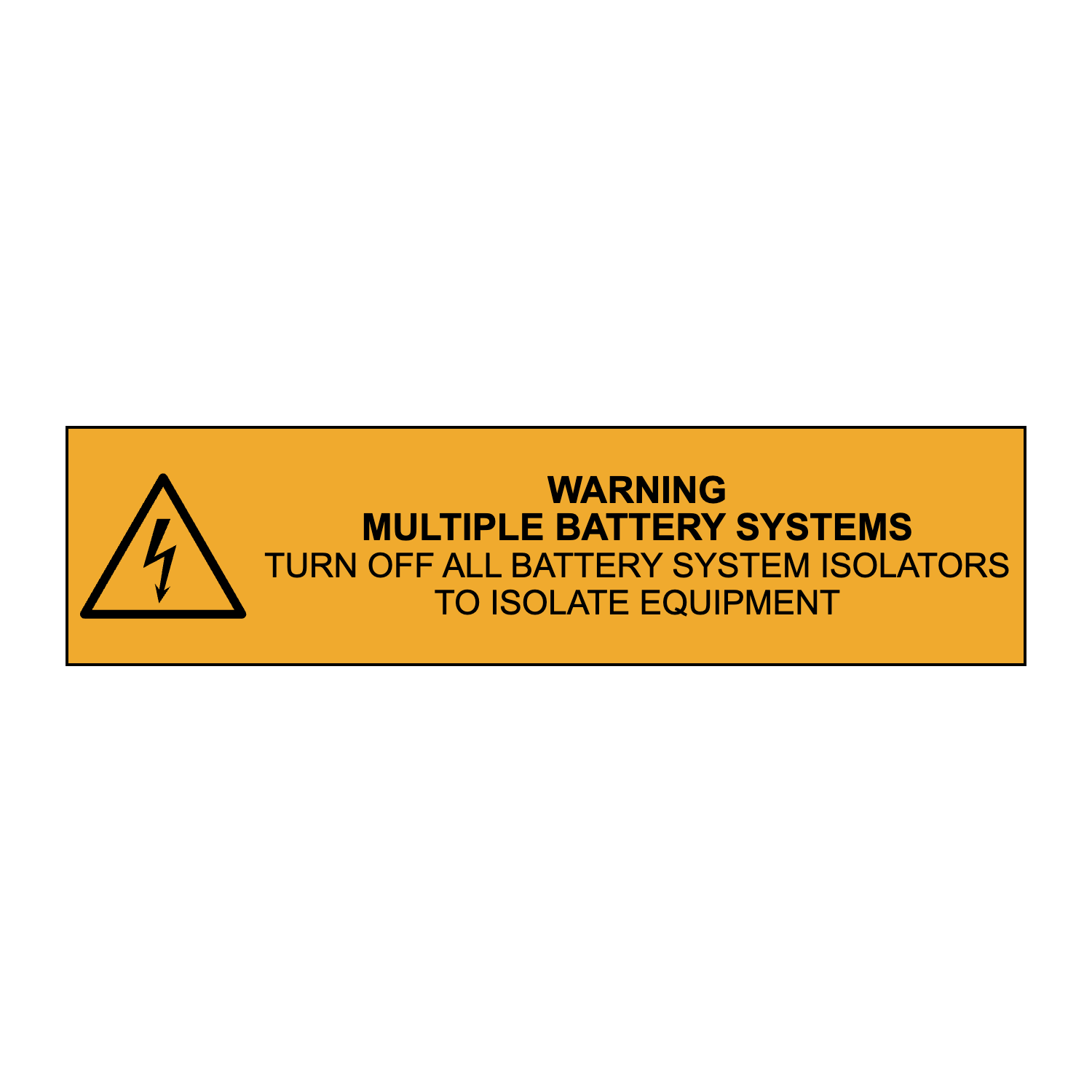
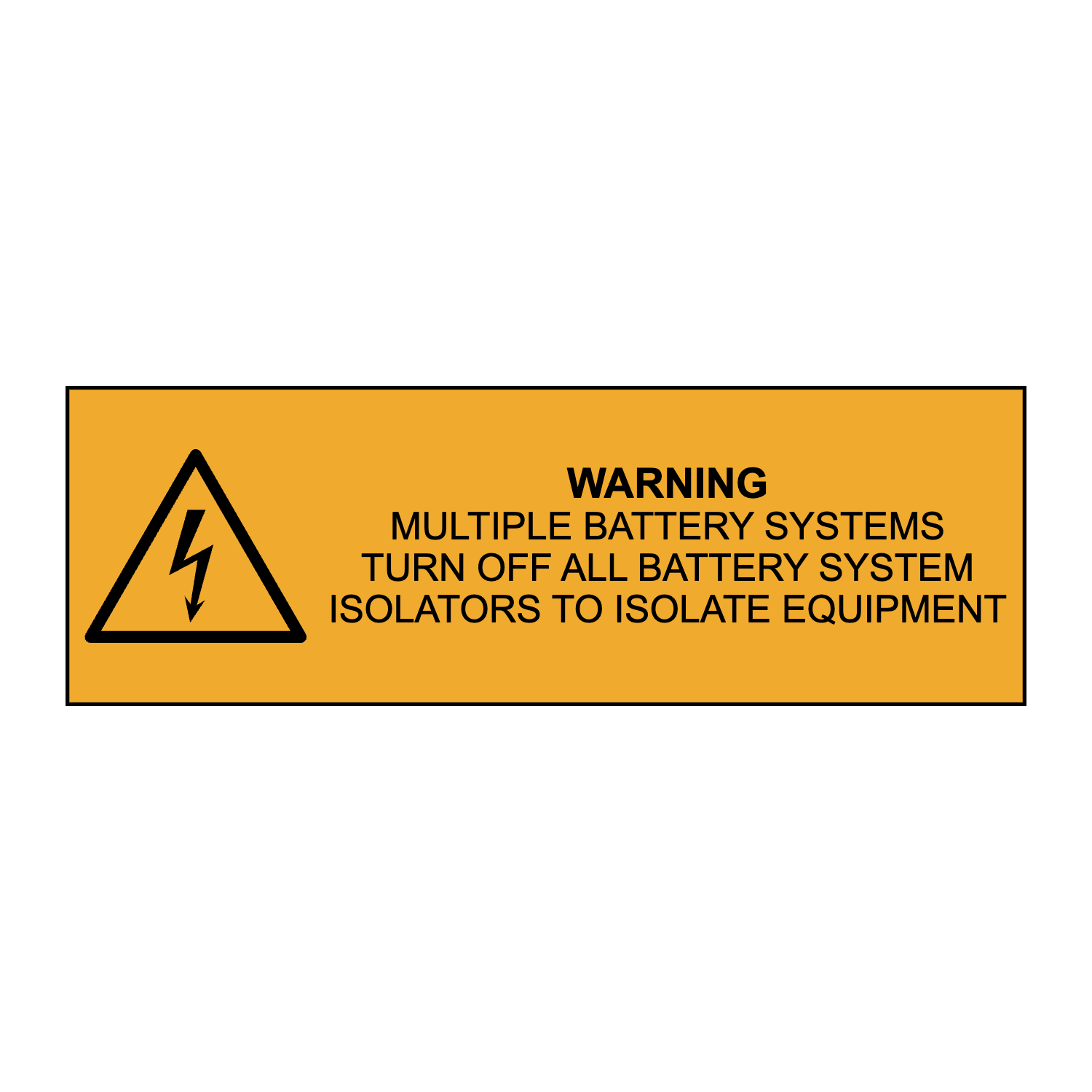
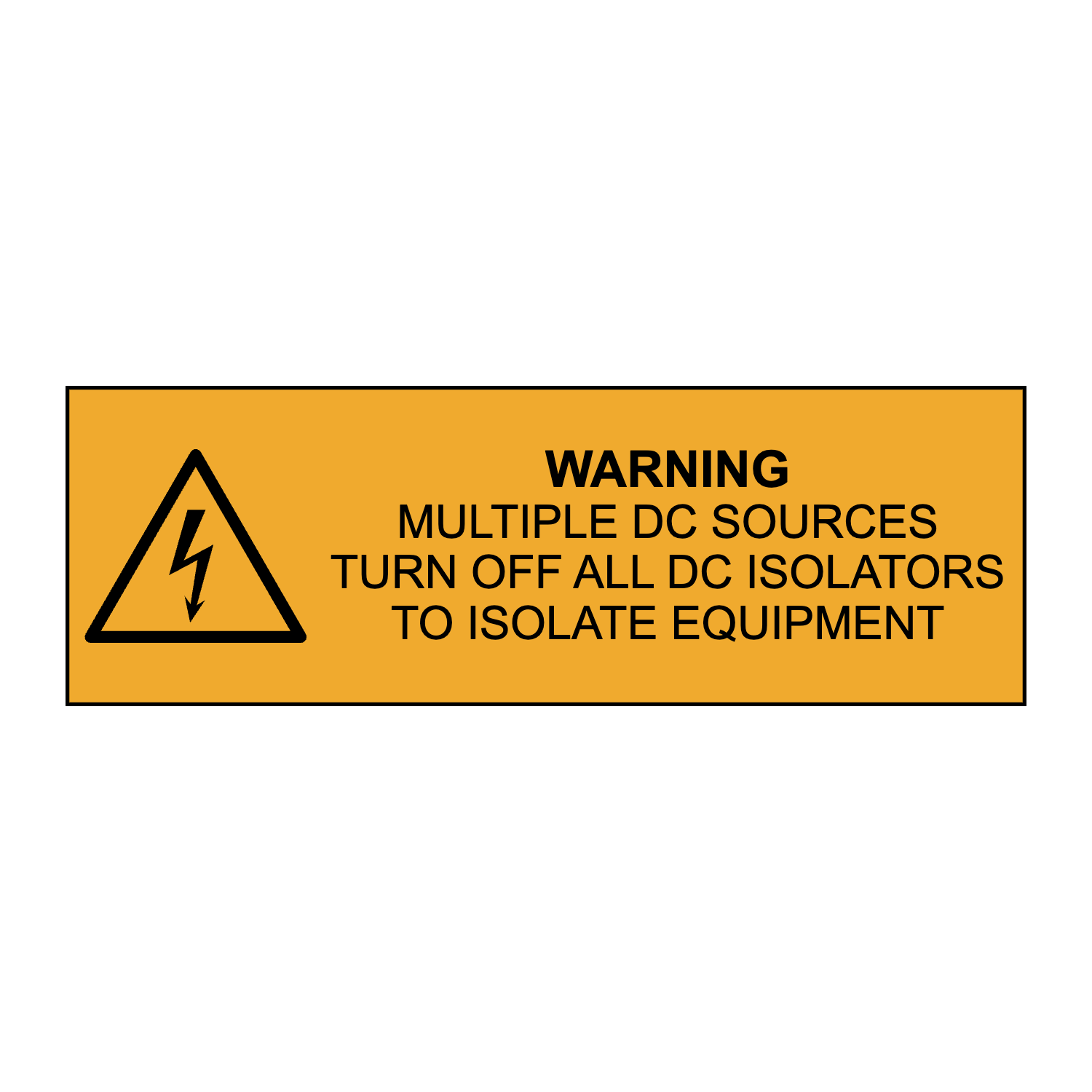
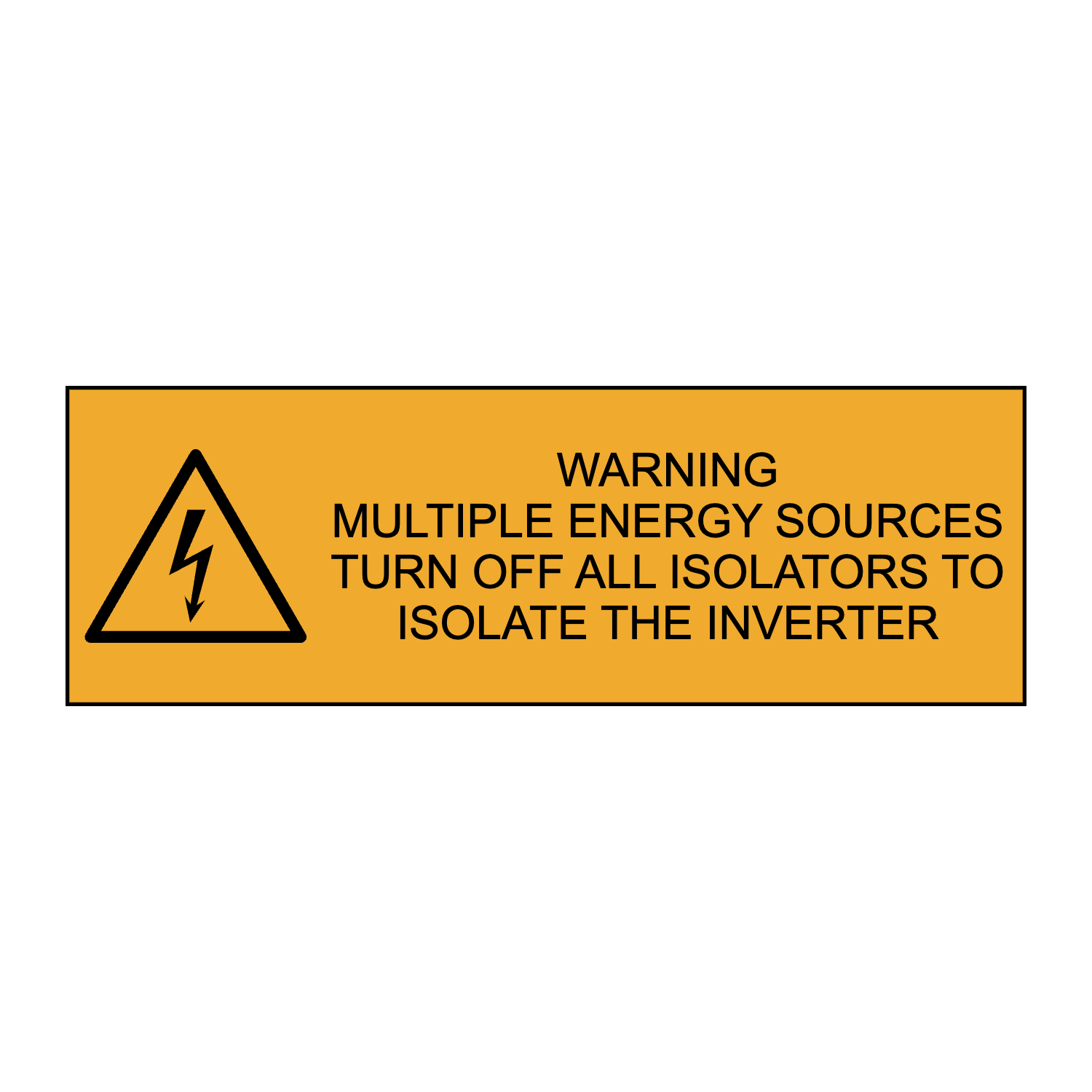
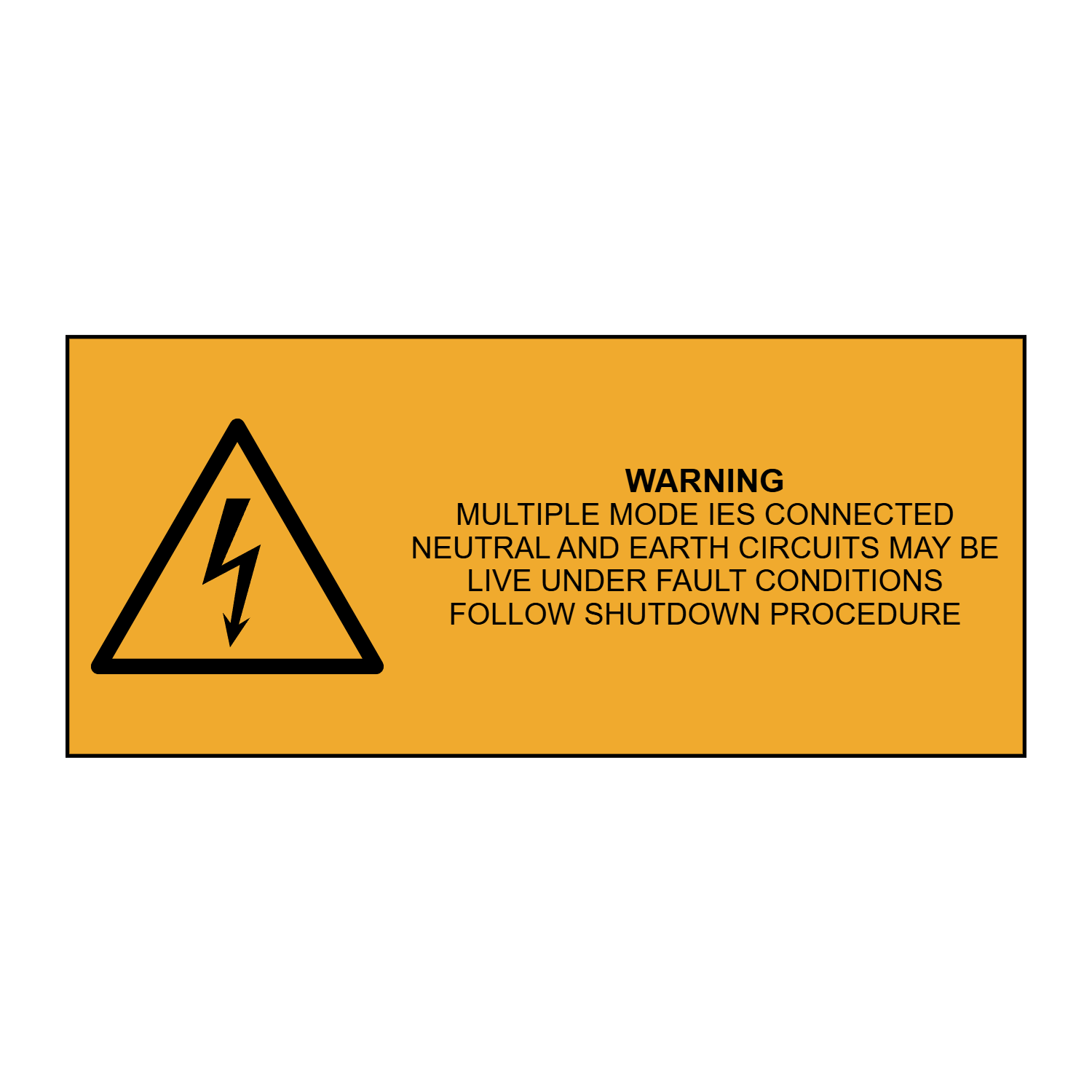
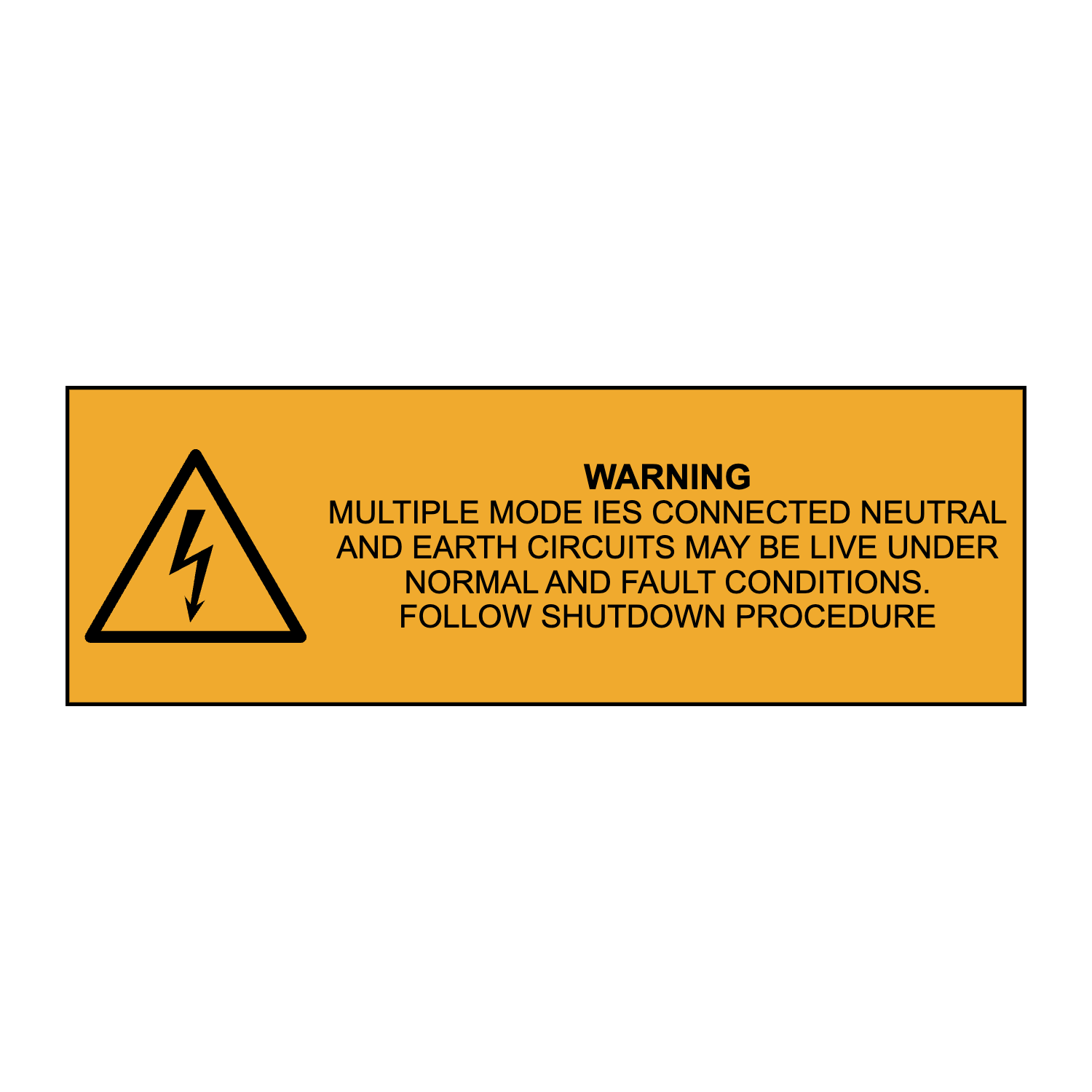
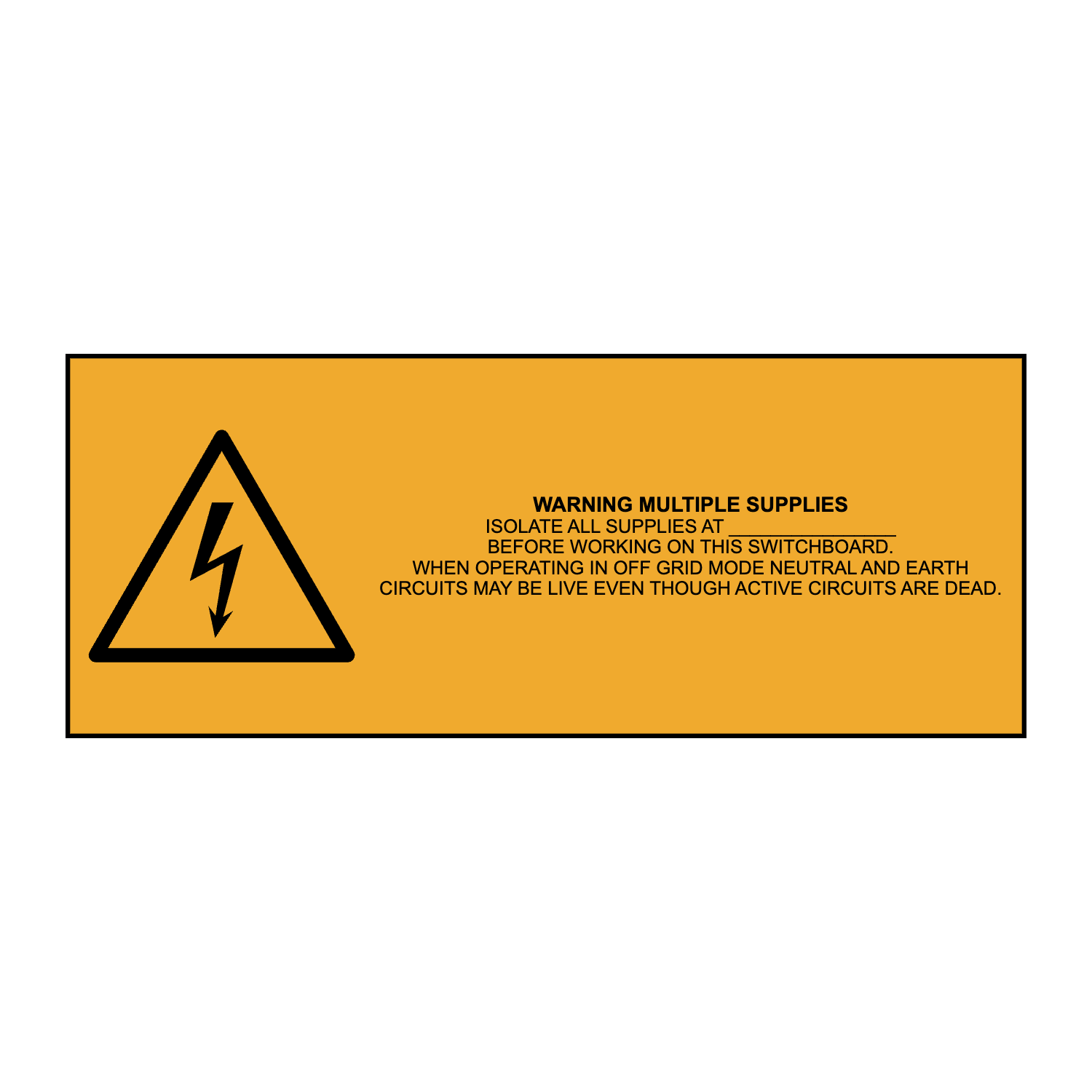
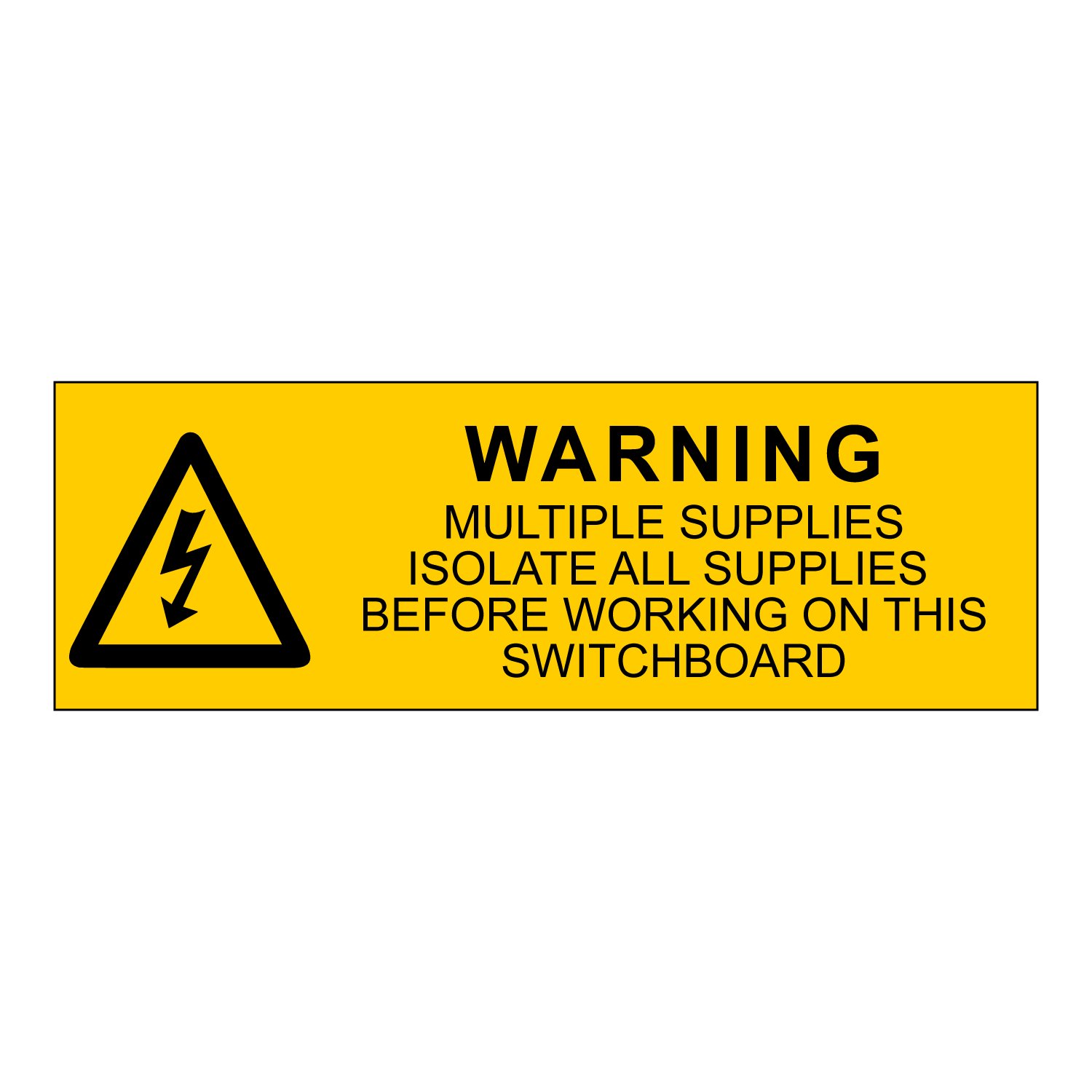
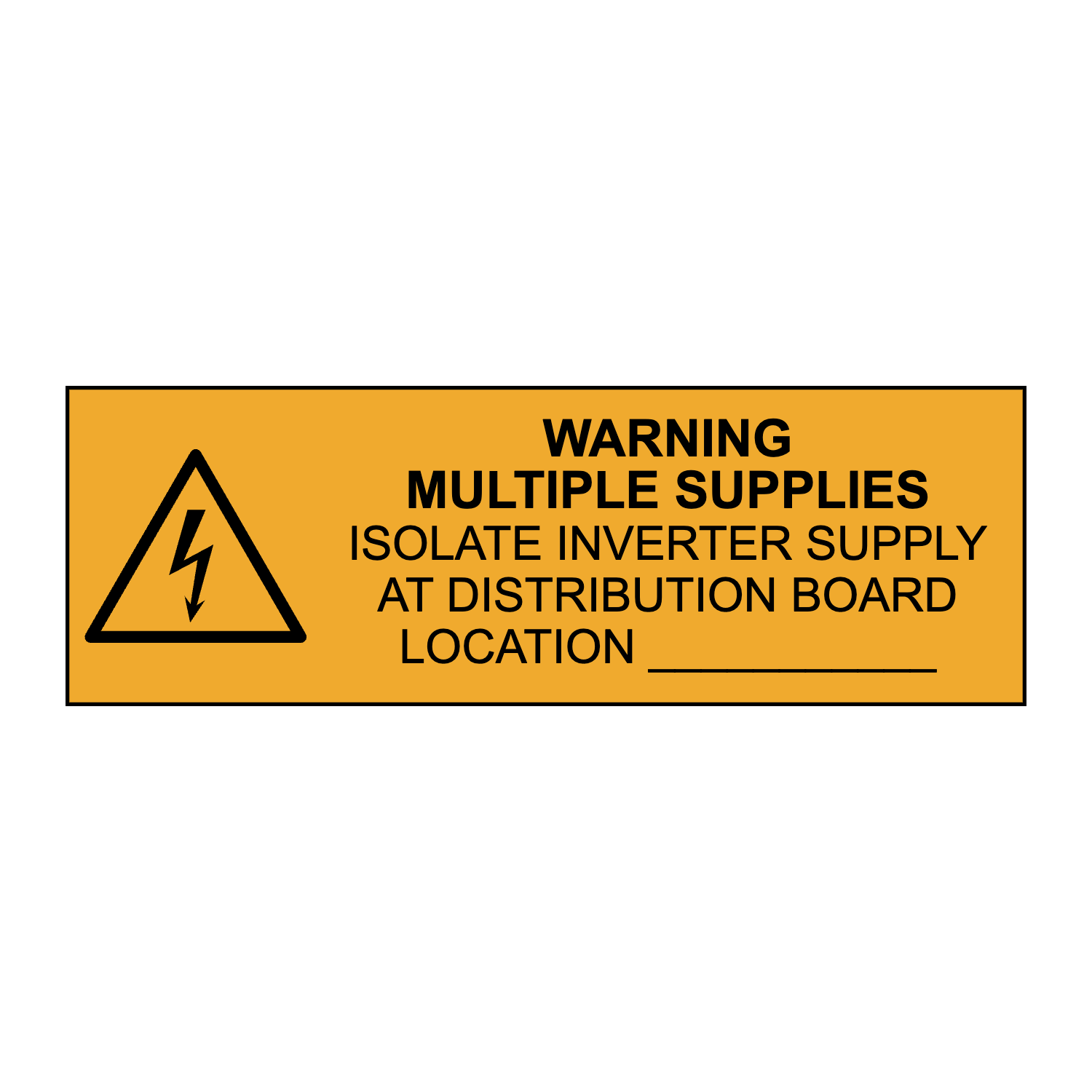
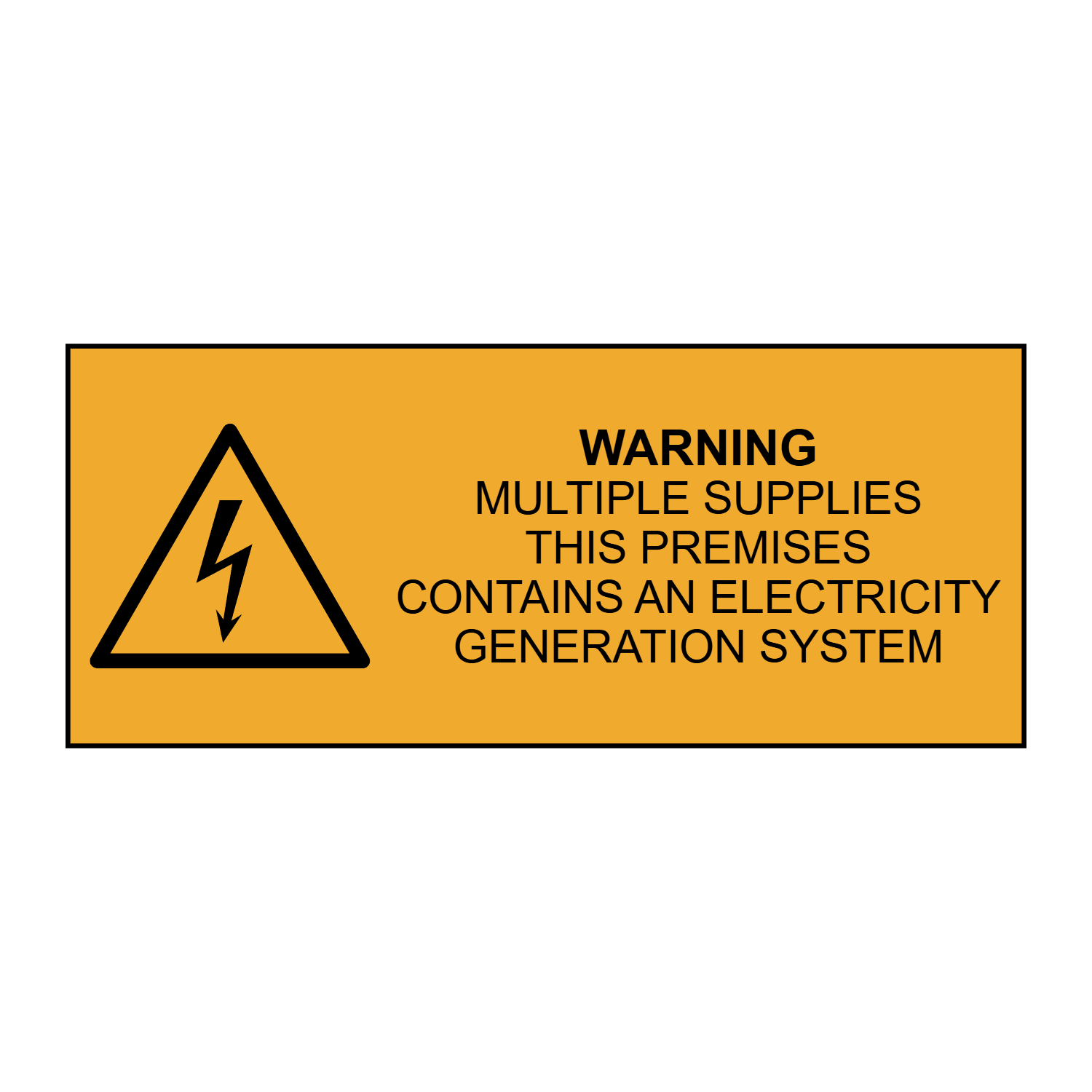
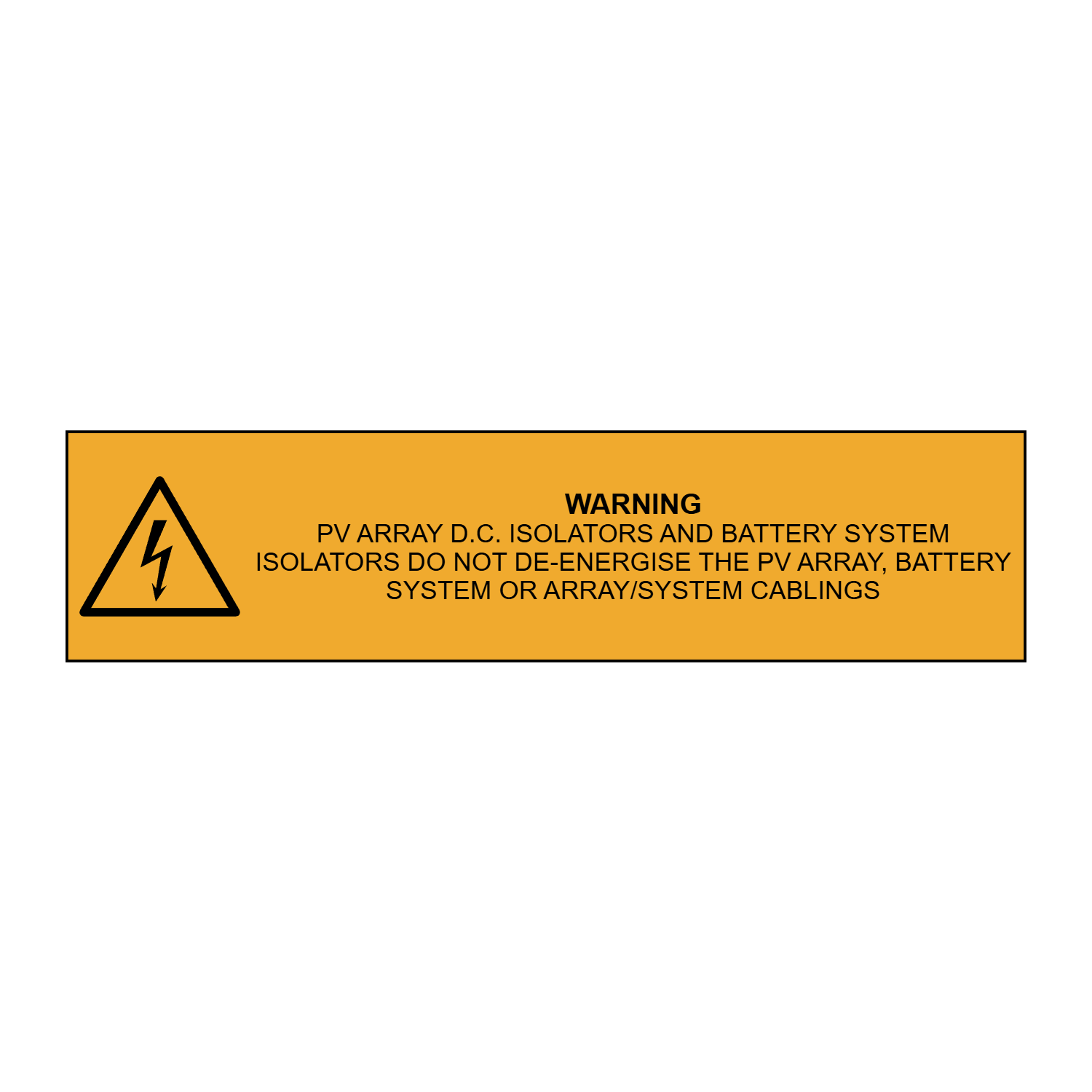
Engraved switchboard labels — main switches, isolators, circuit identification and the warning plates that go on a board fed from more than one source.
What engraved Traffolyte is, and when it isn't →
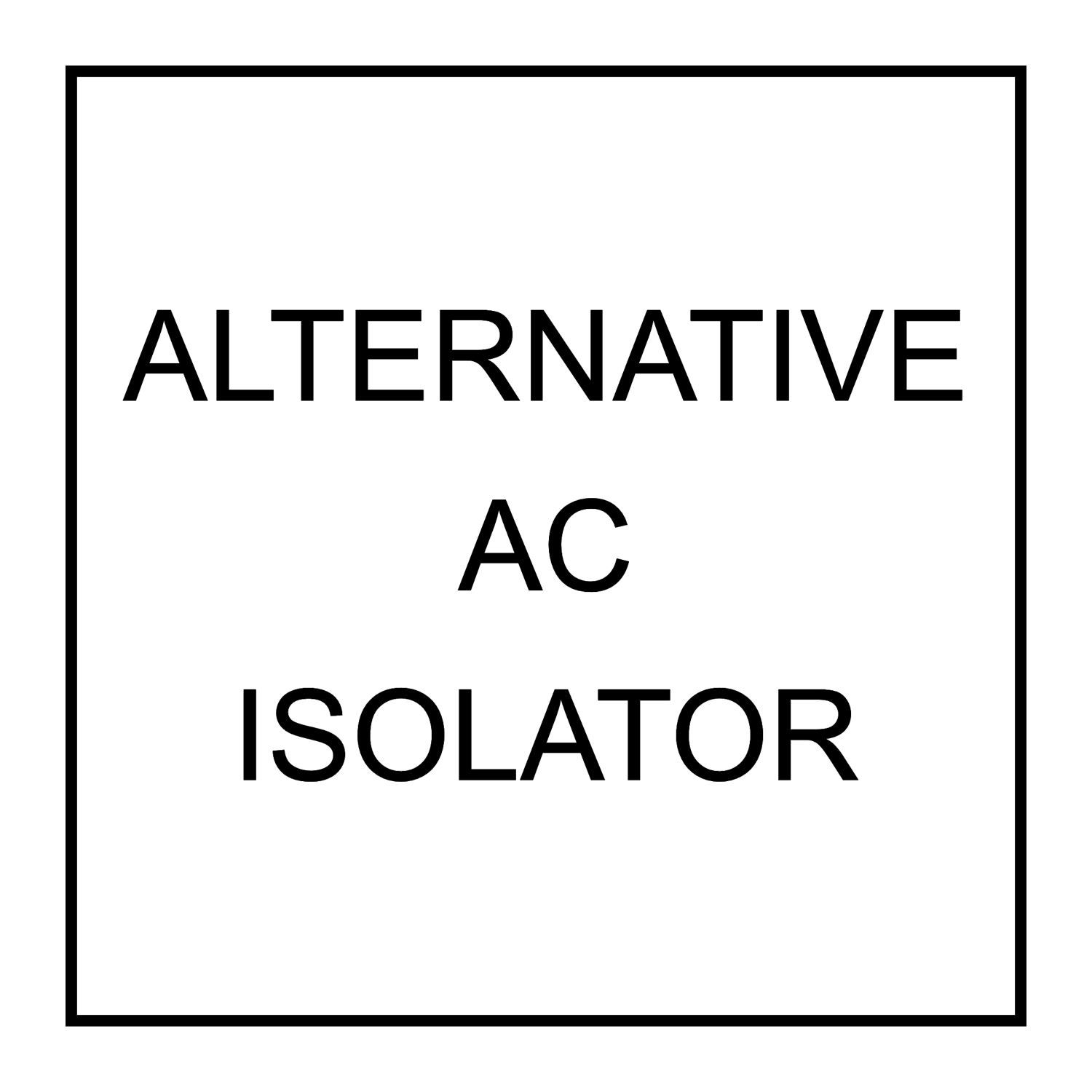
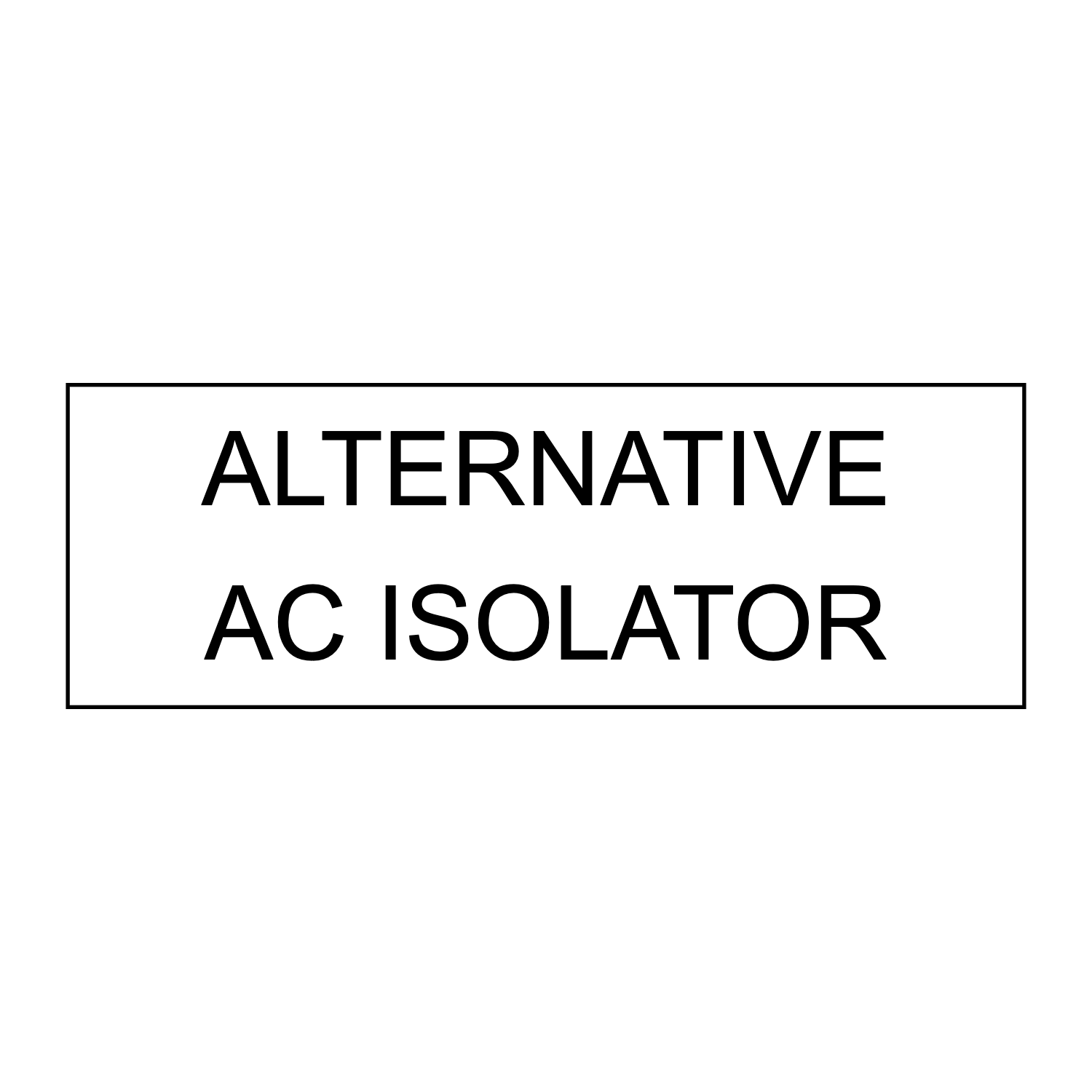
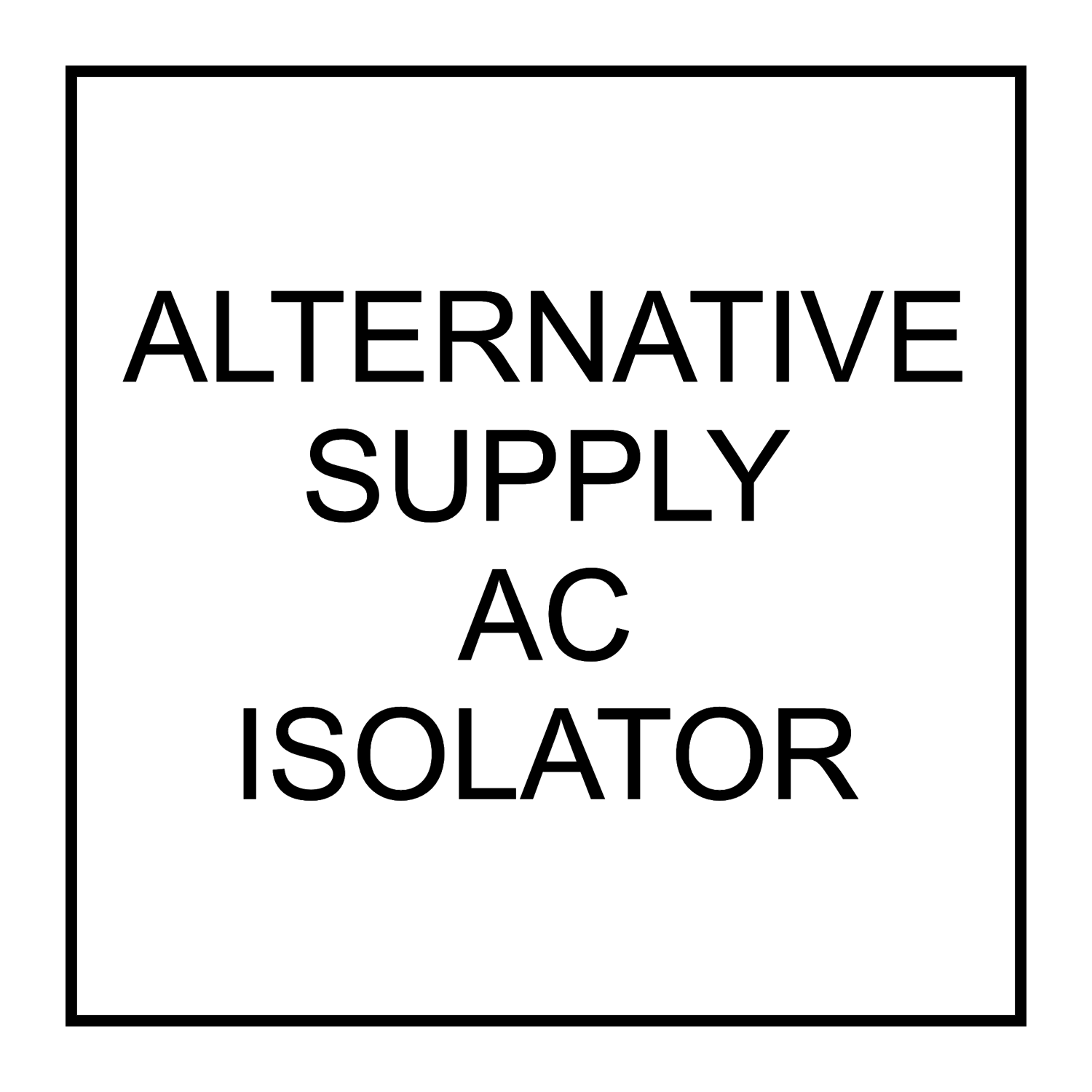
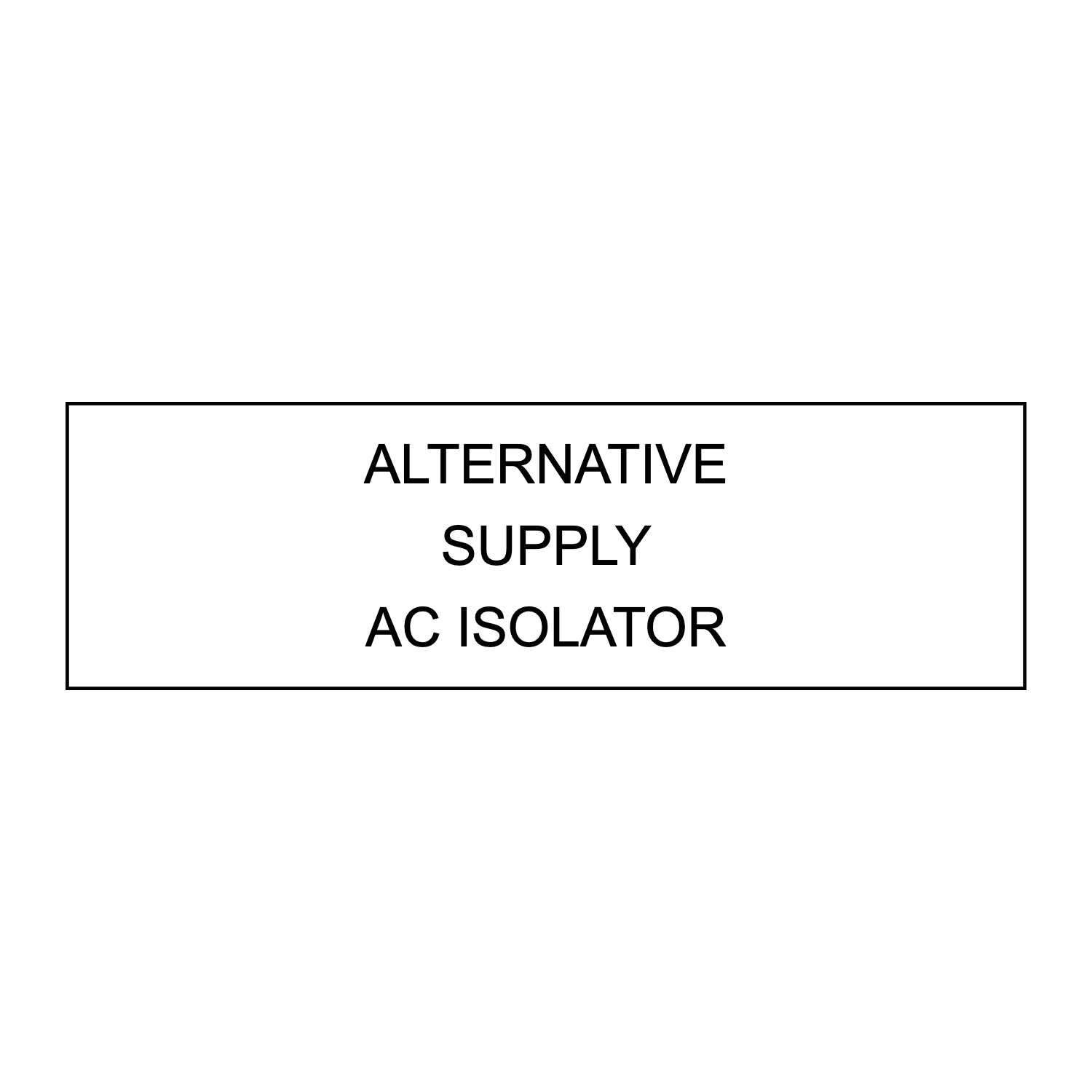







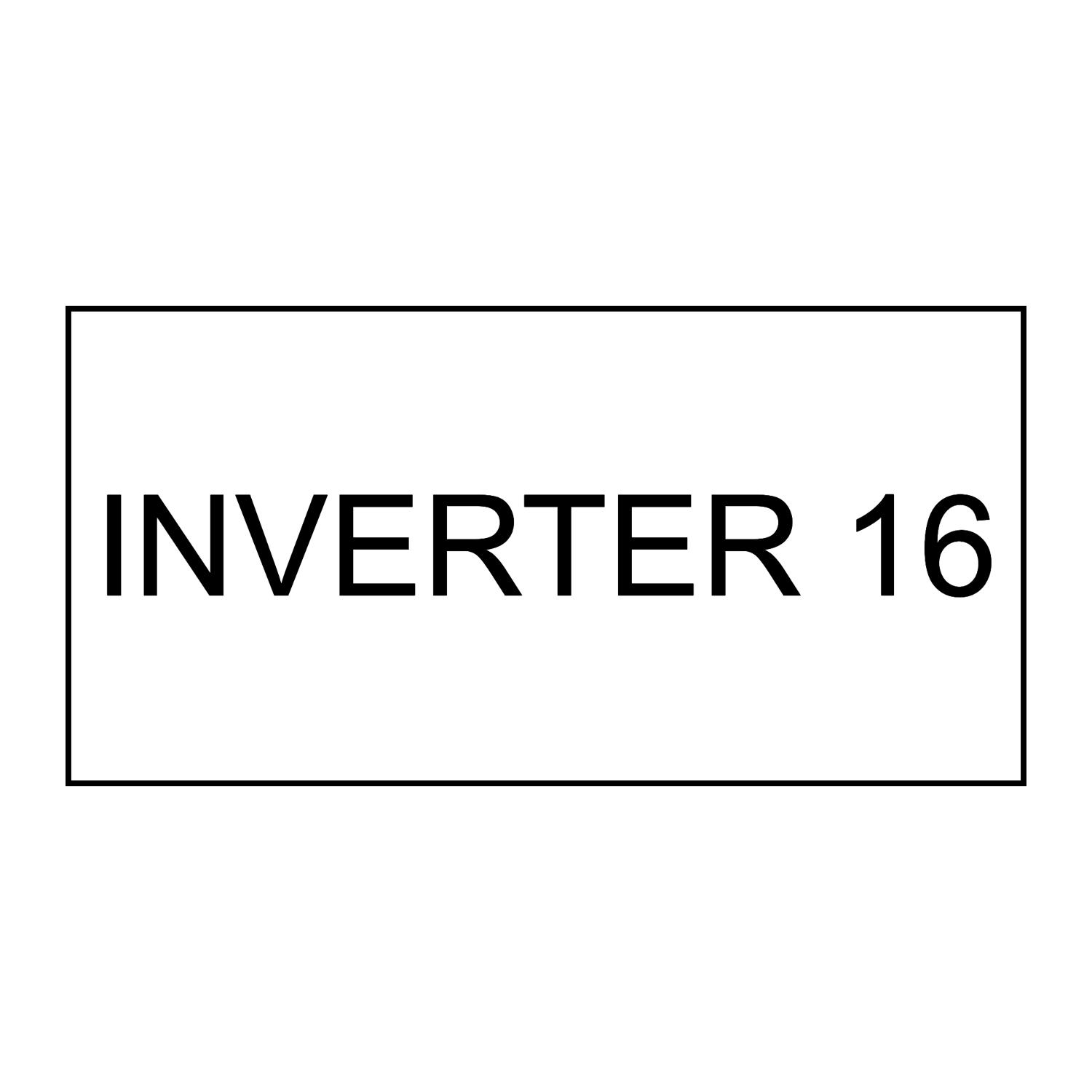



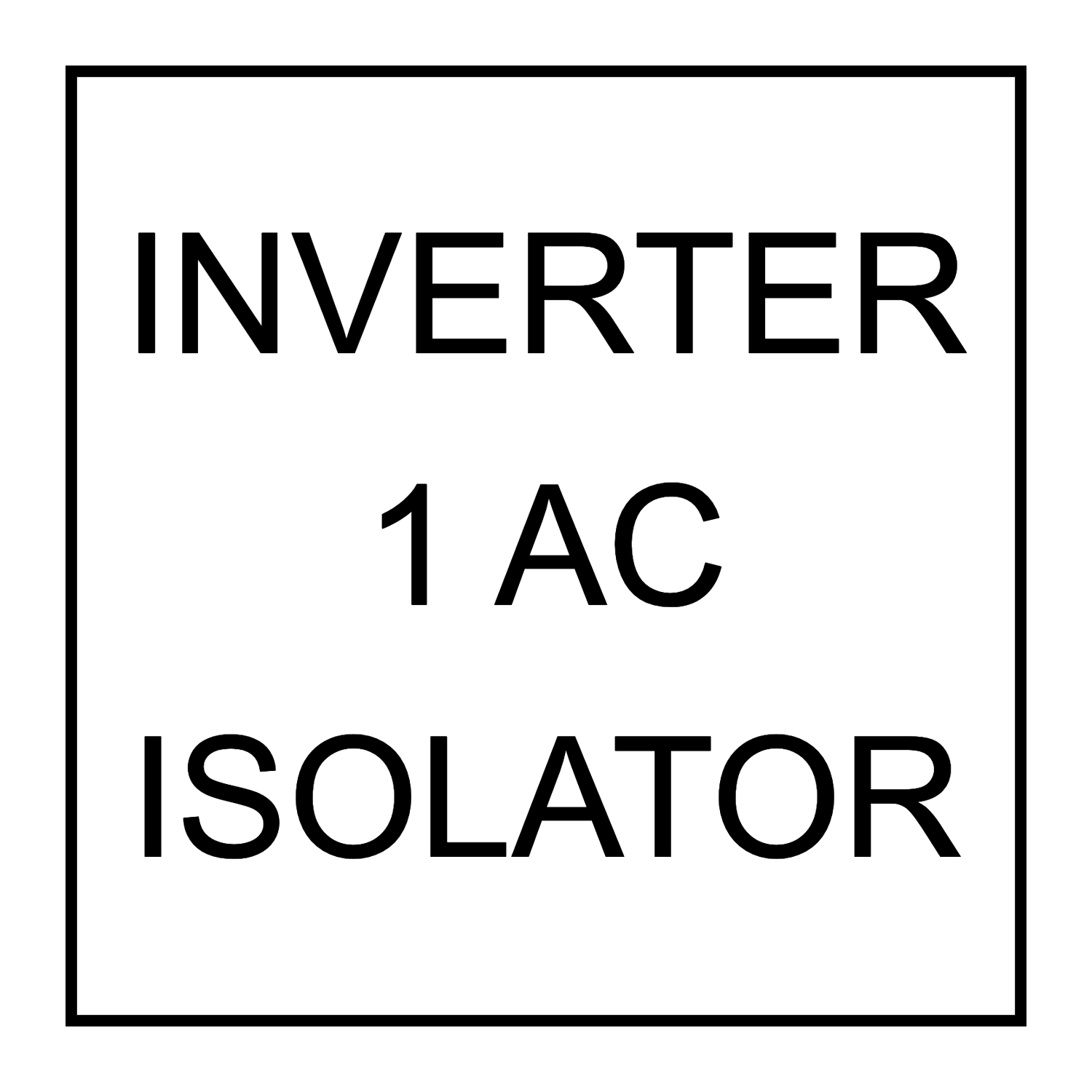
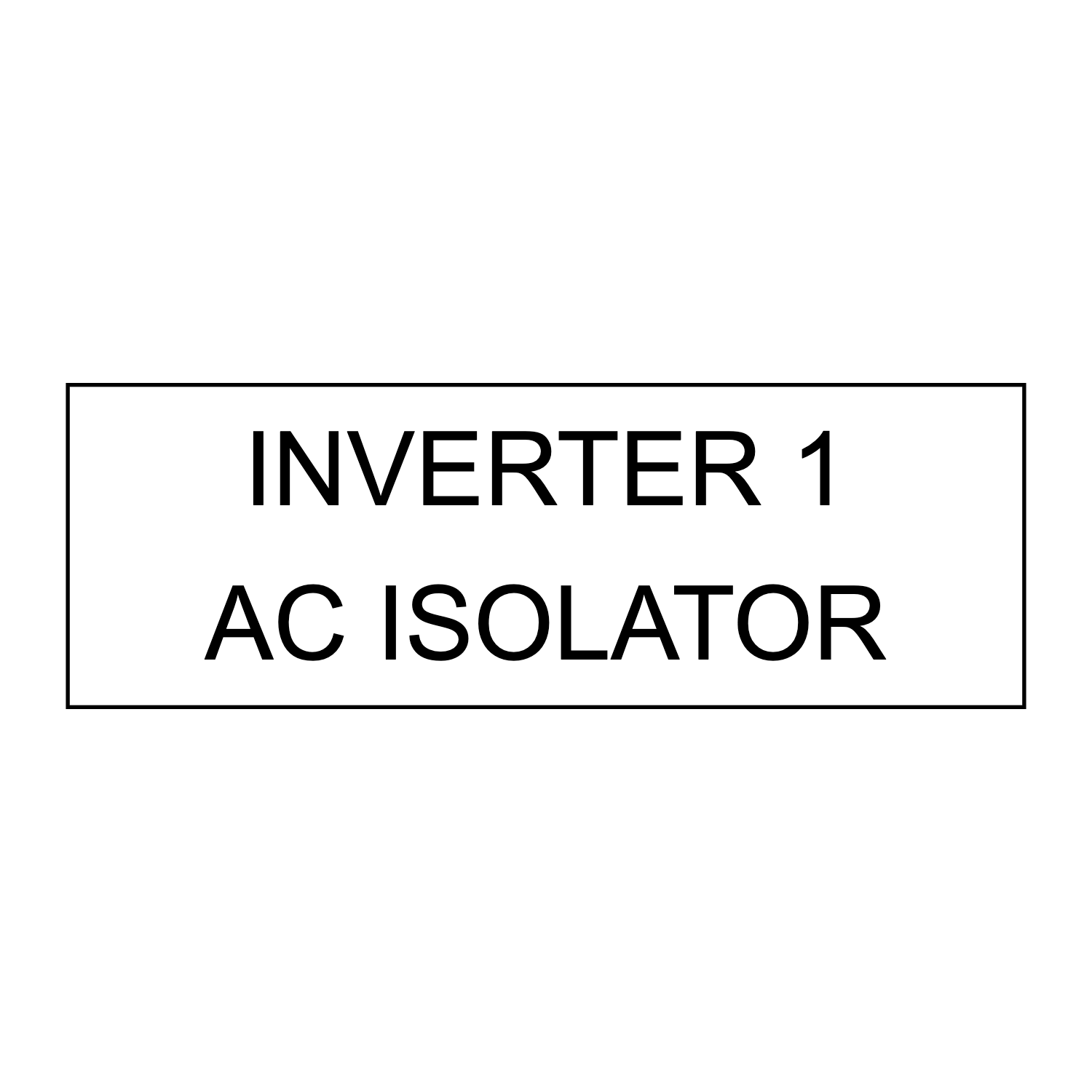


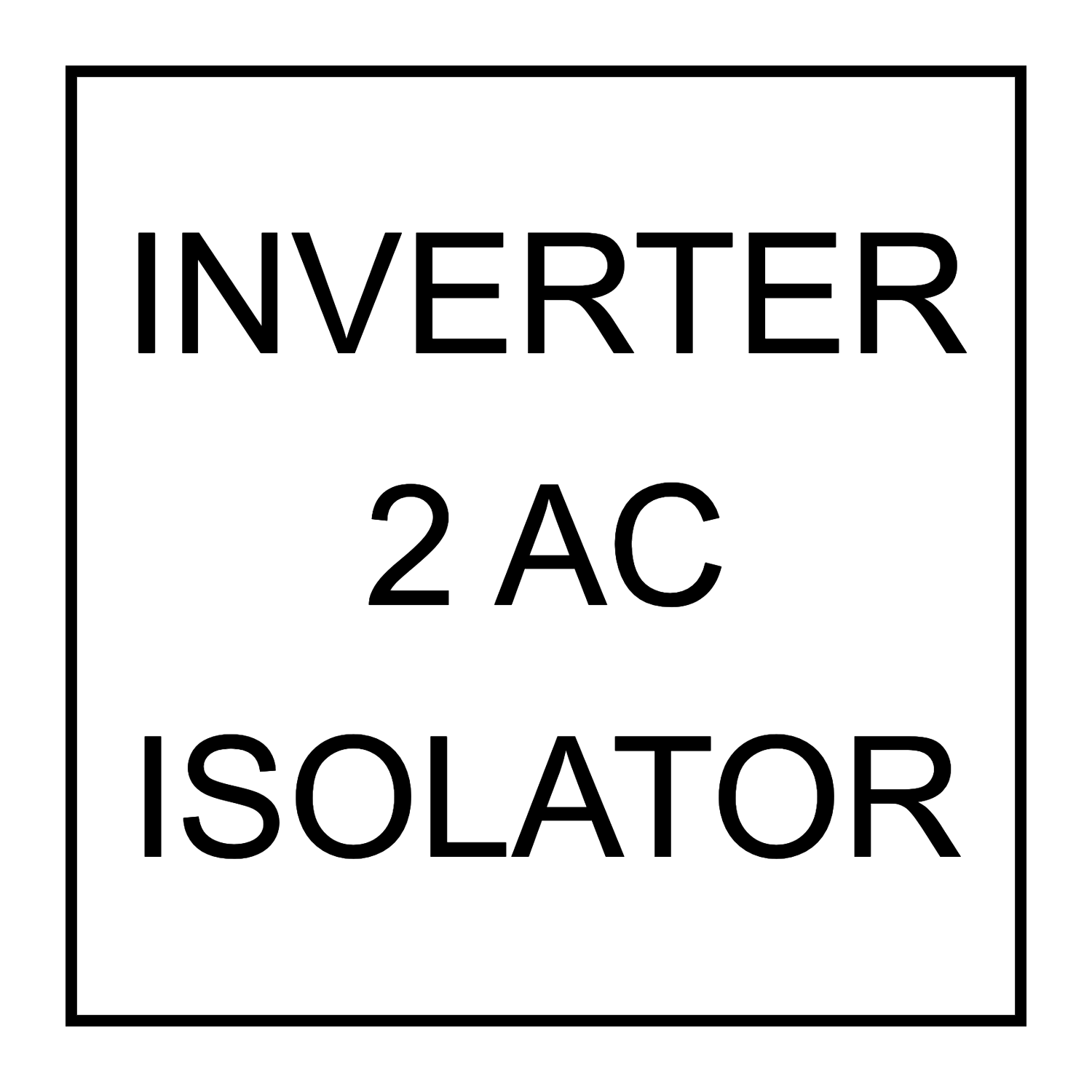
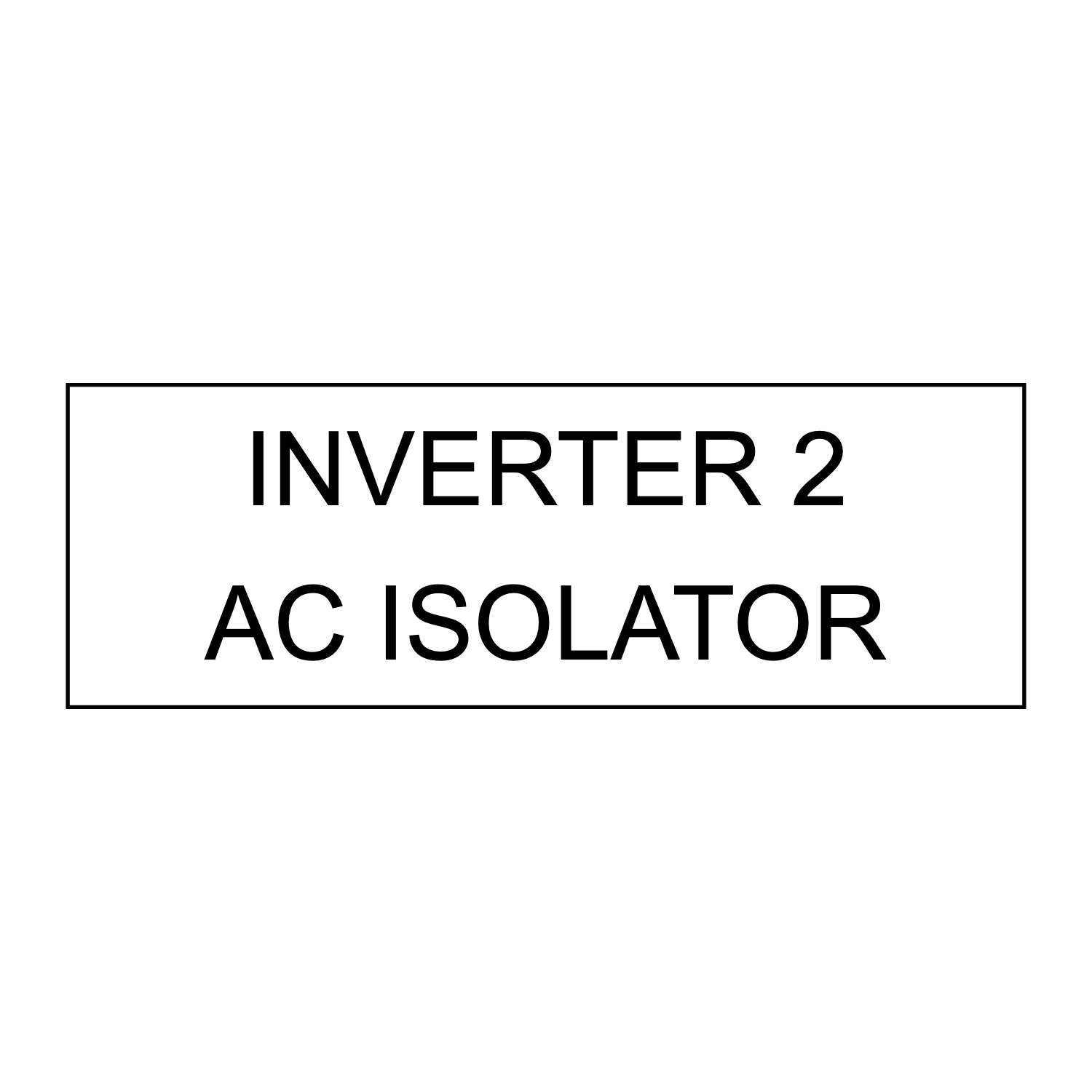
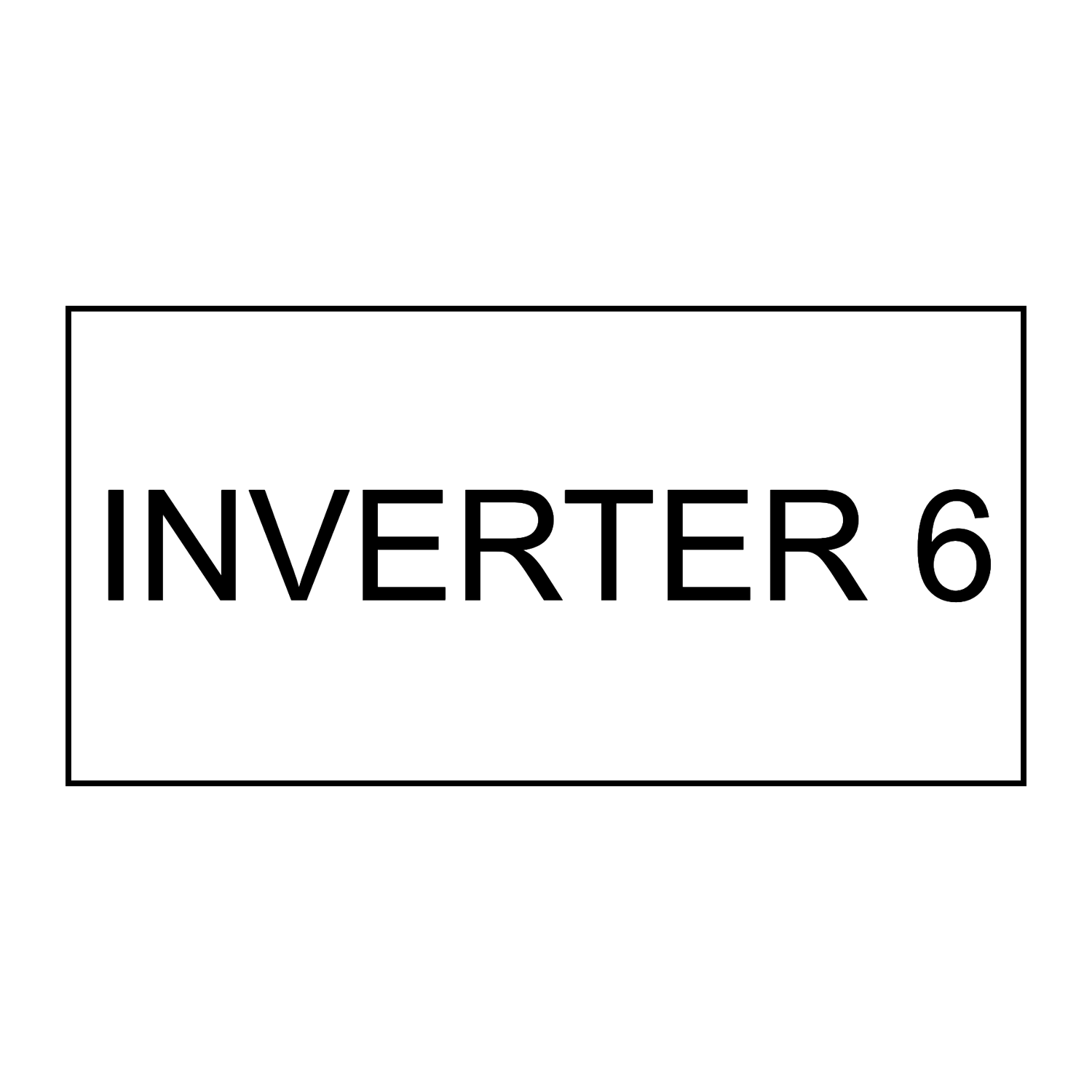
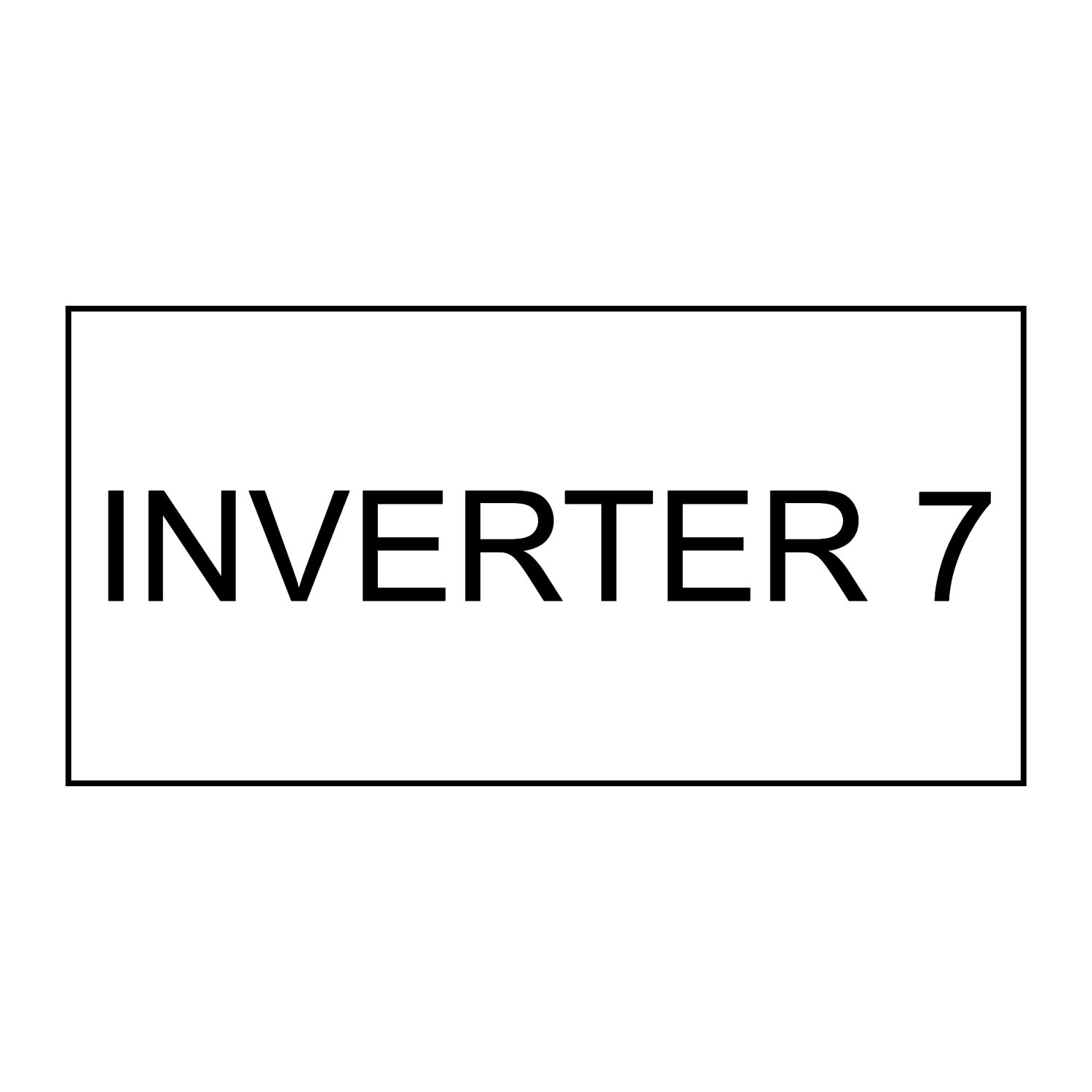
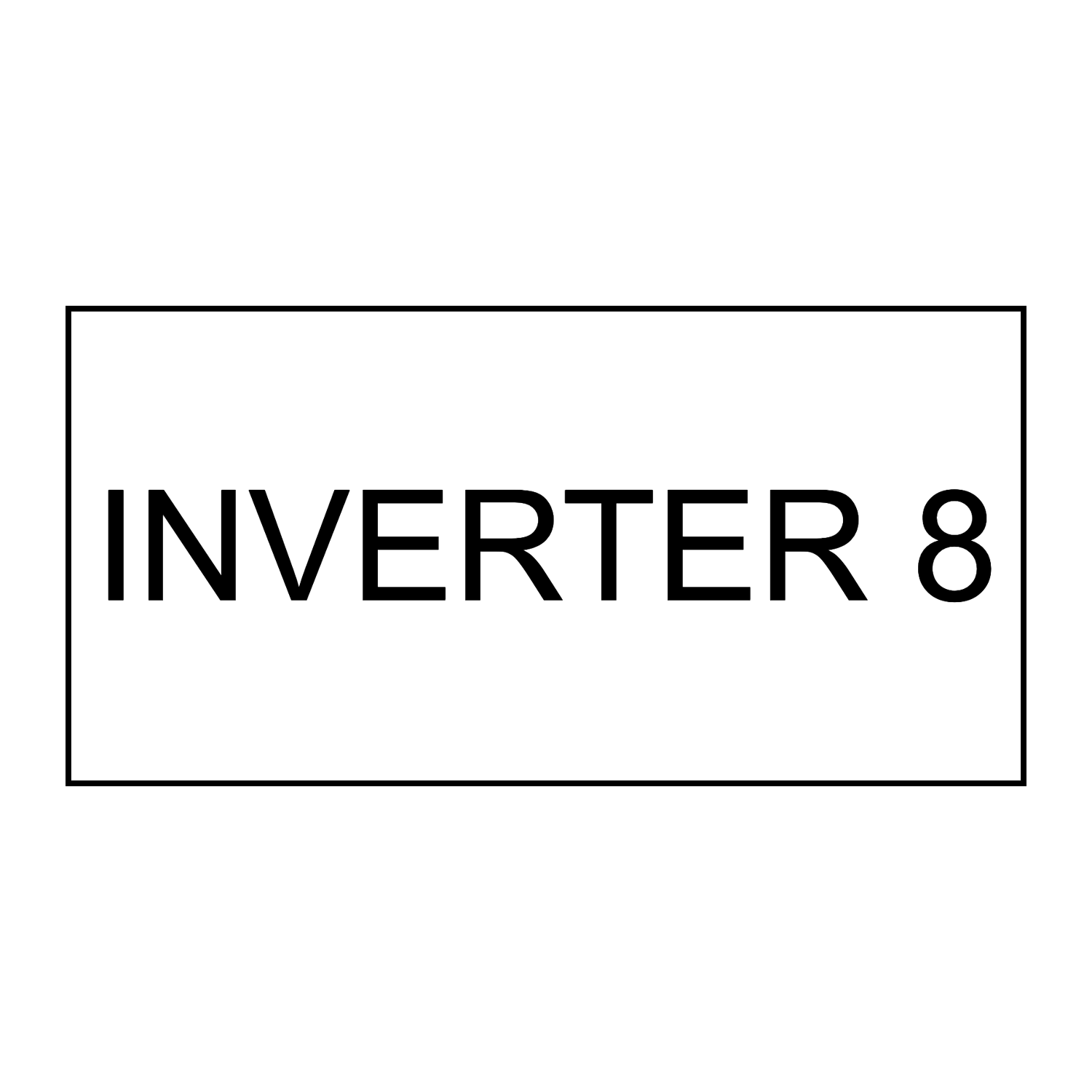
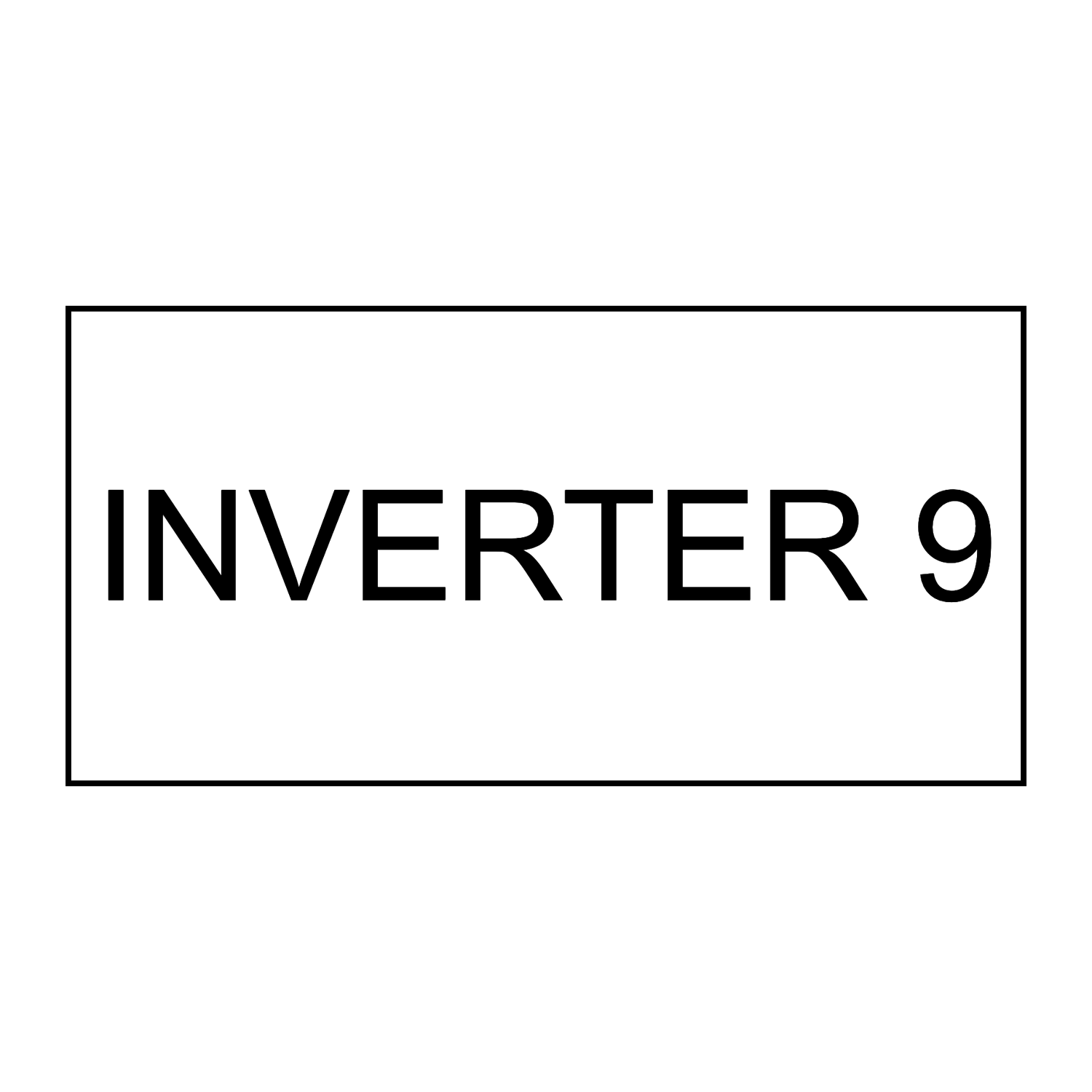
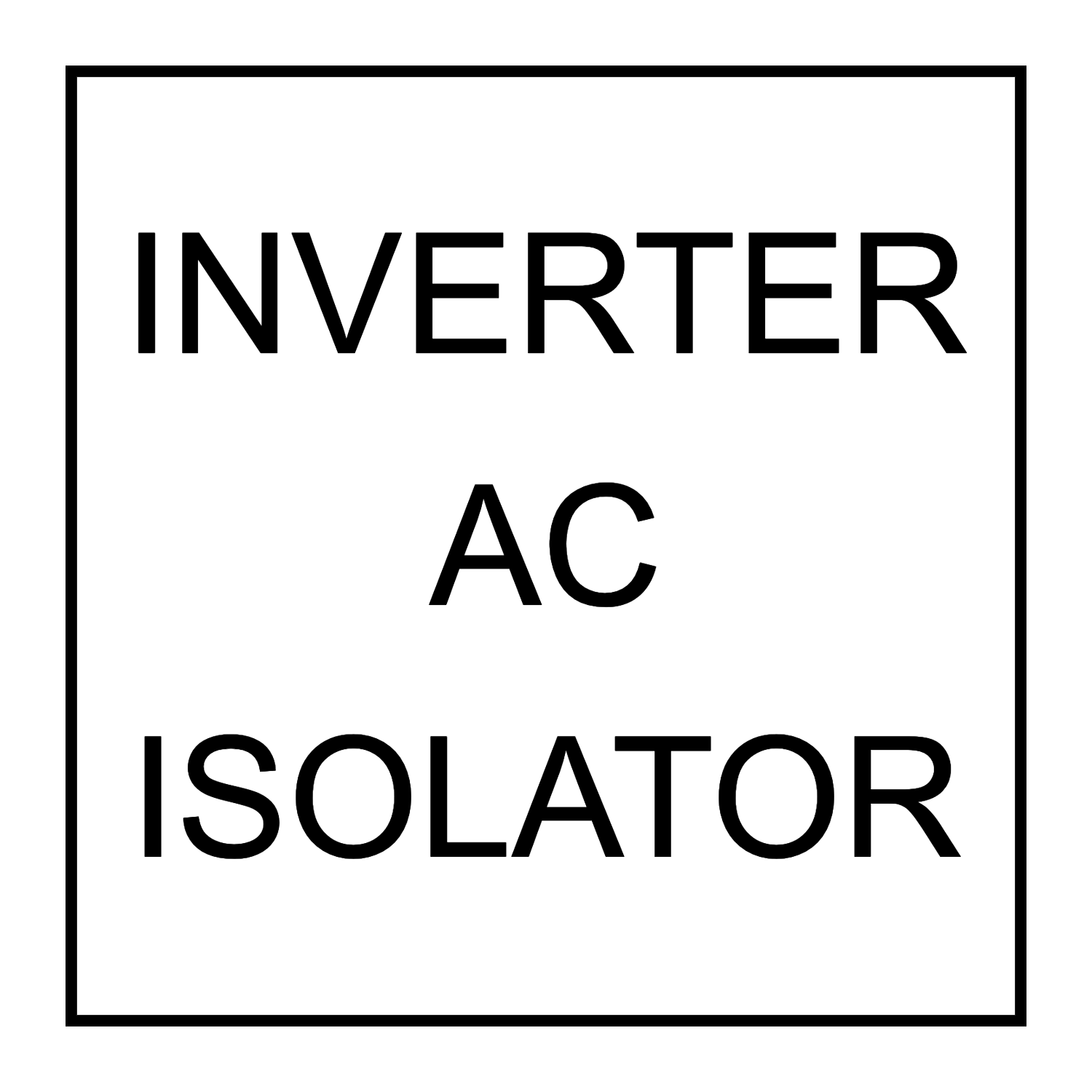
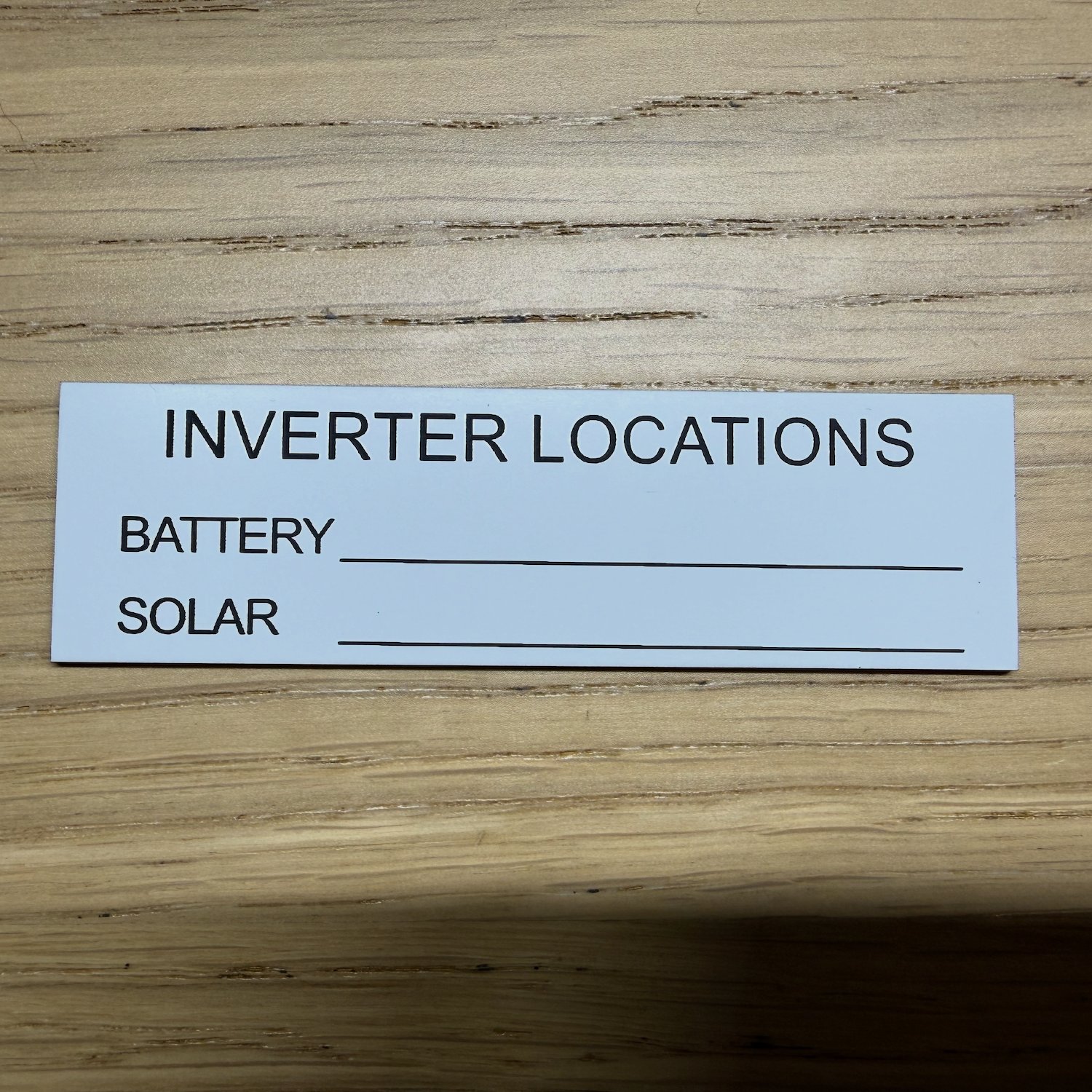
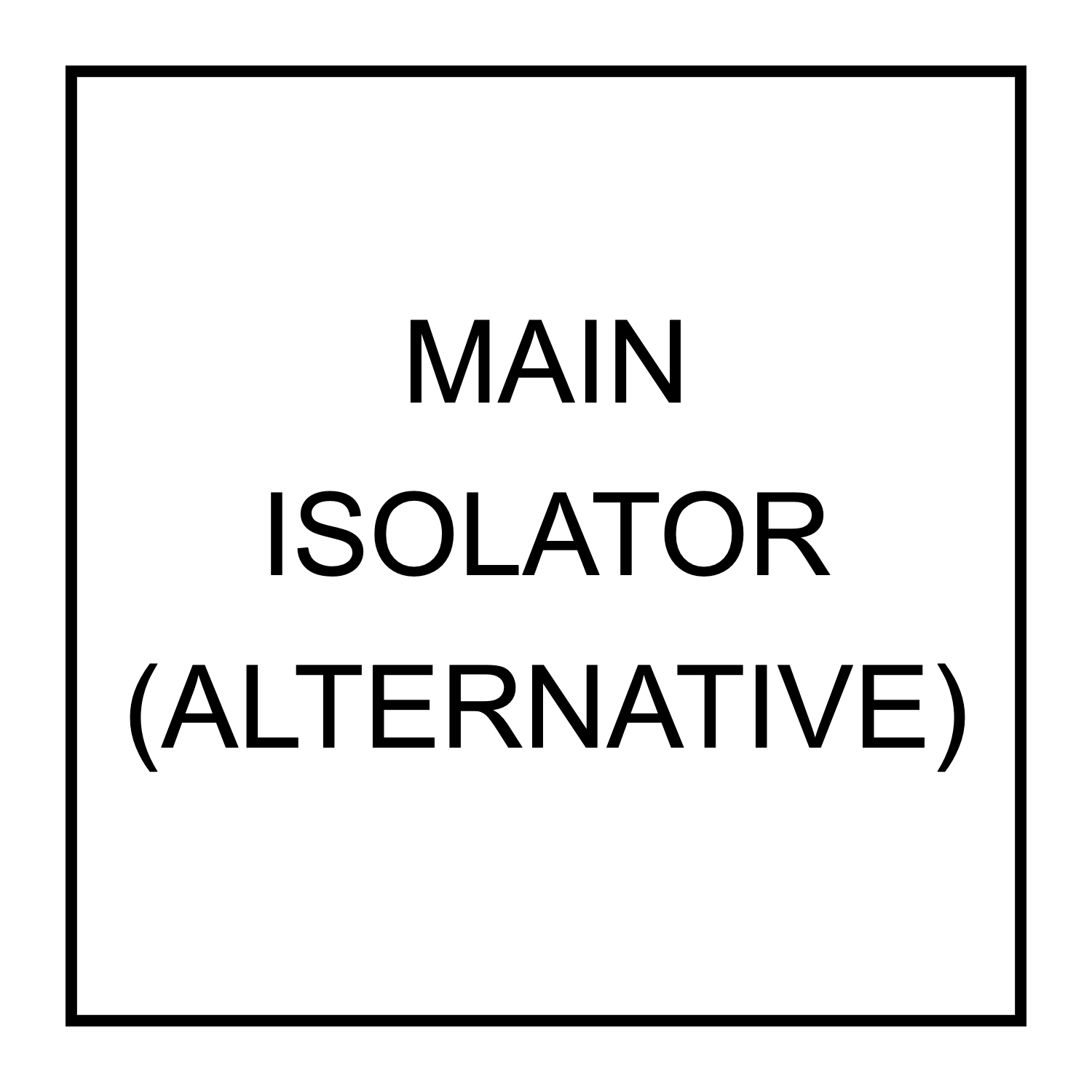
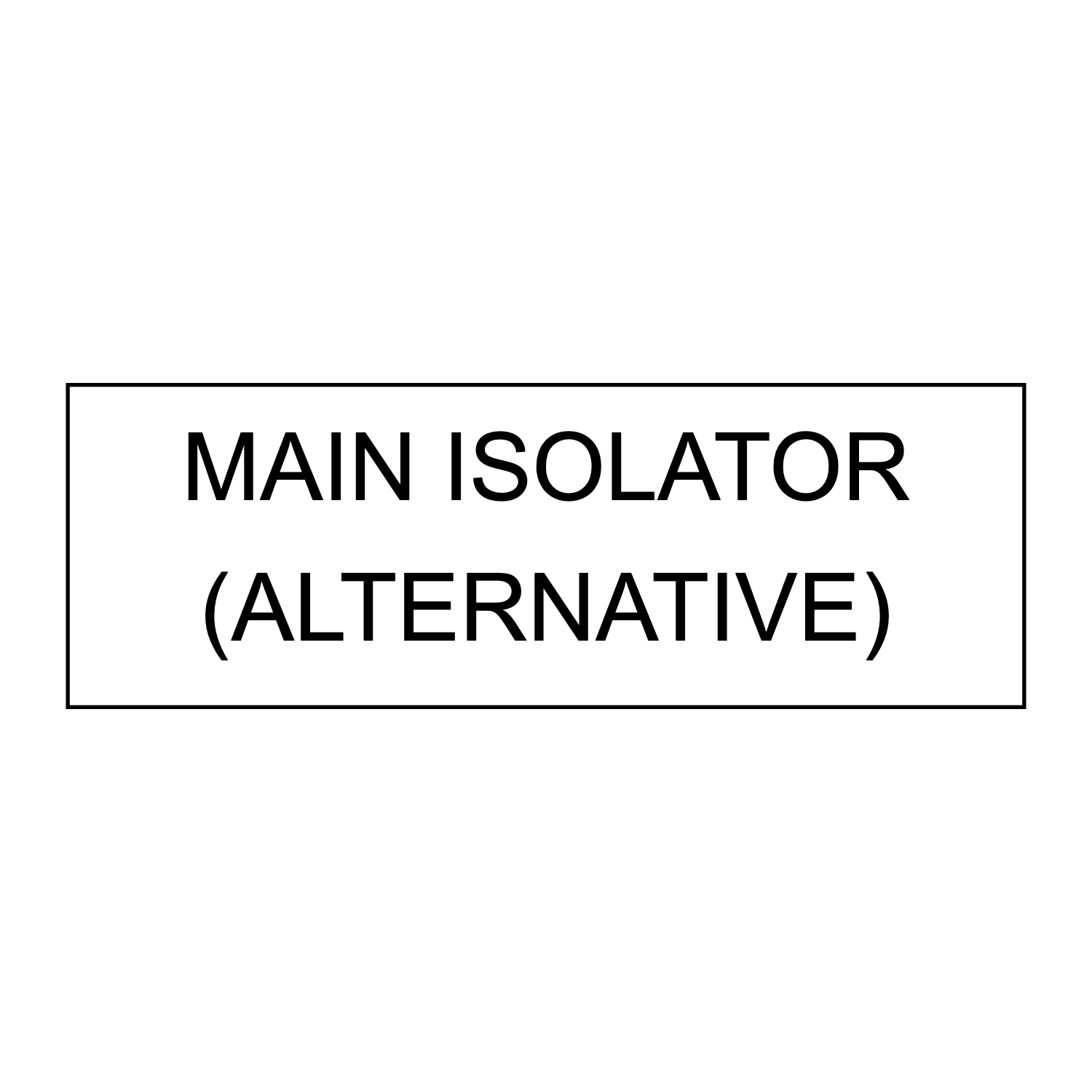
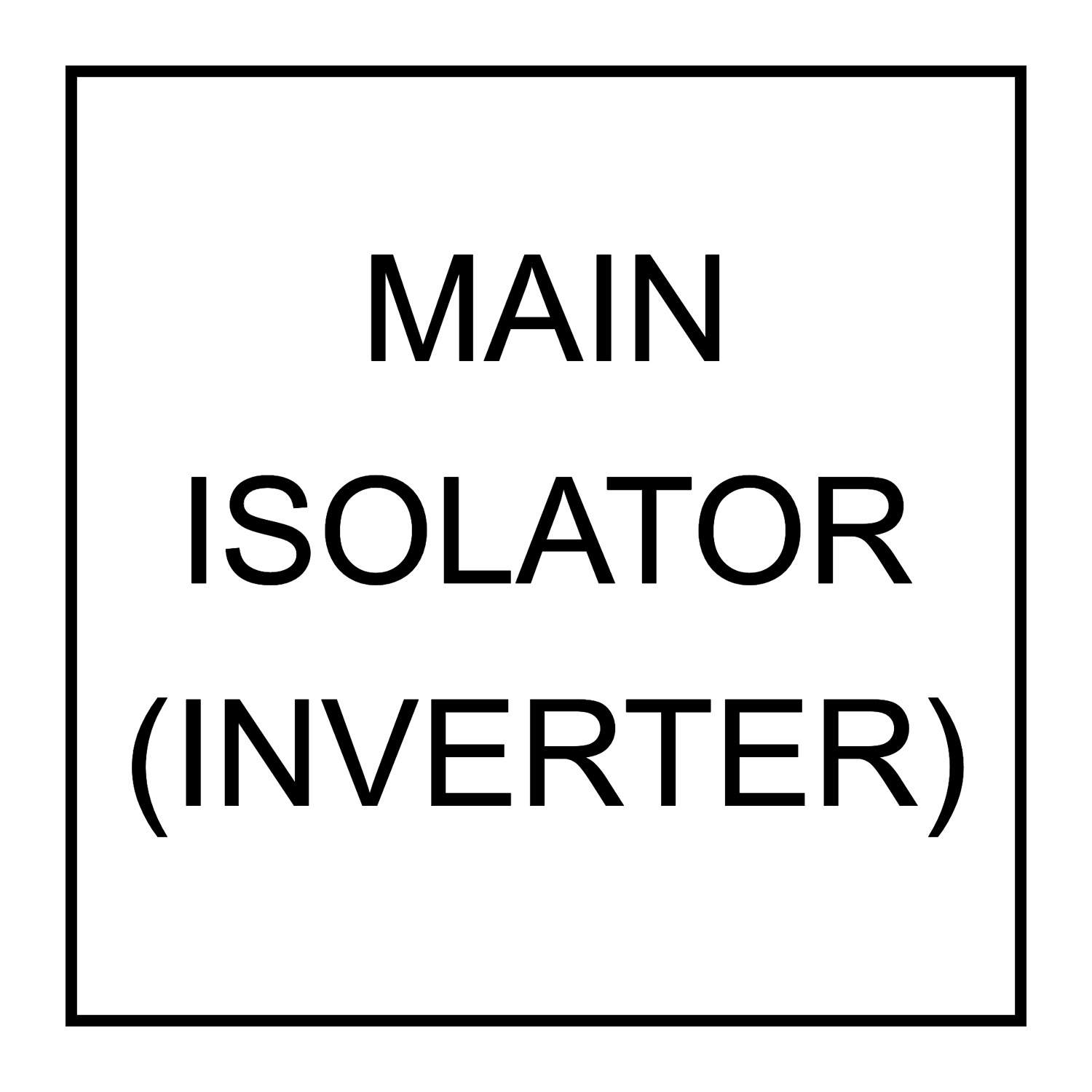
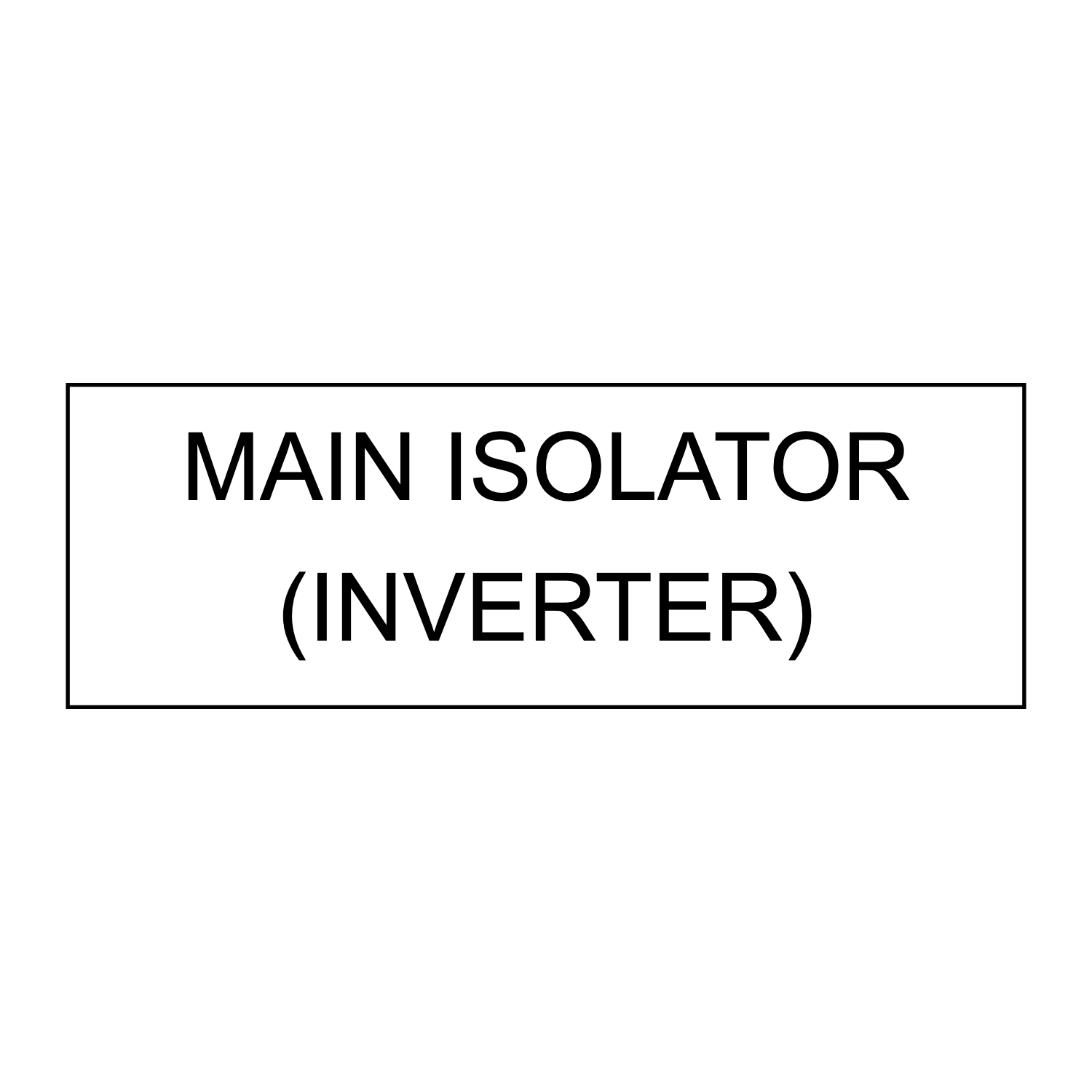
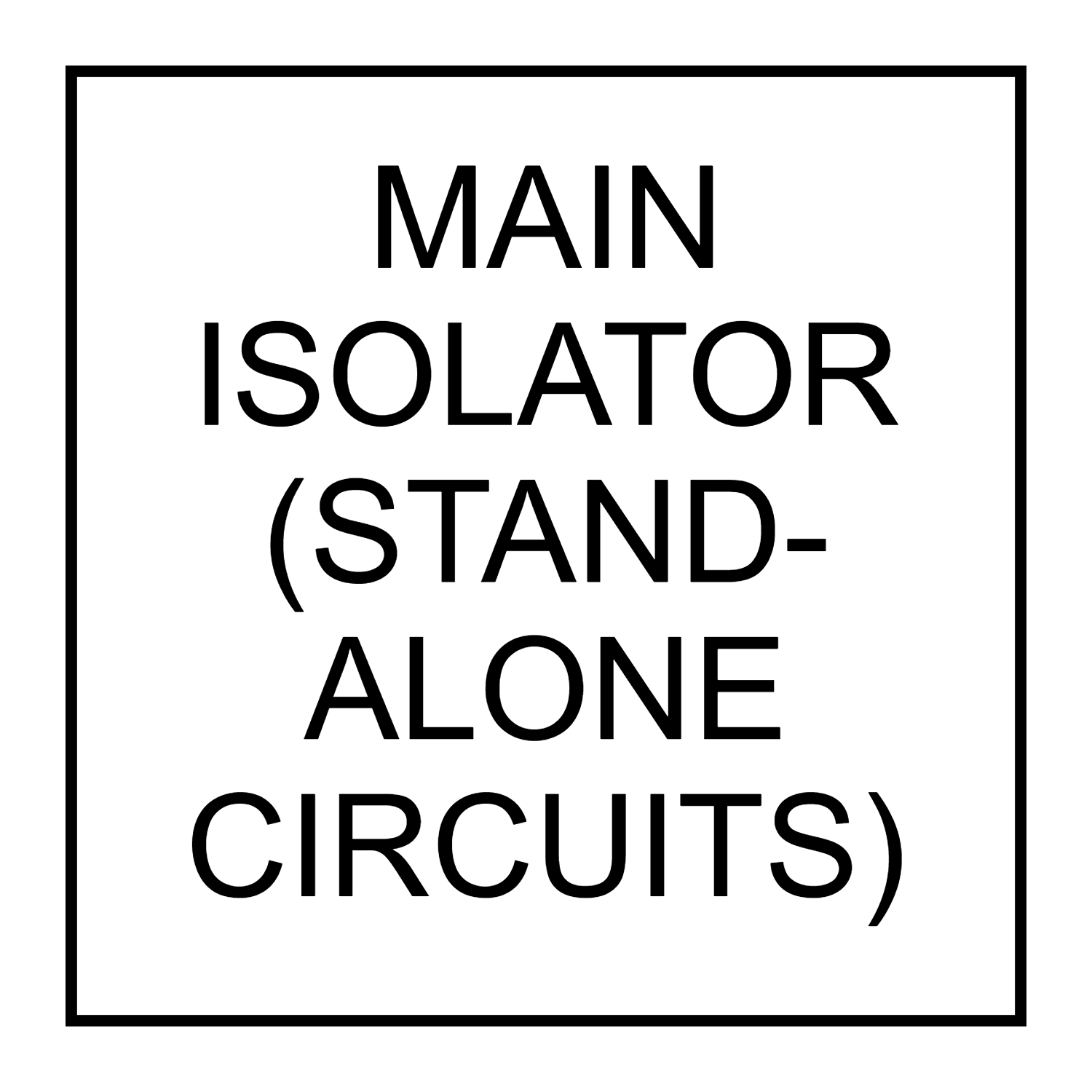
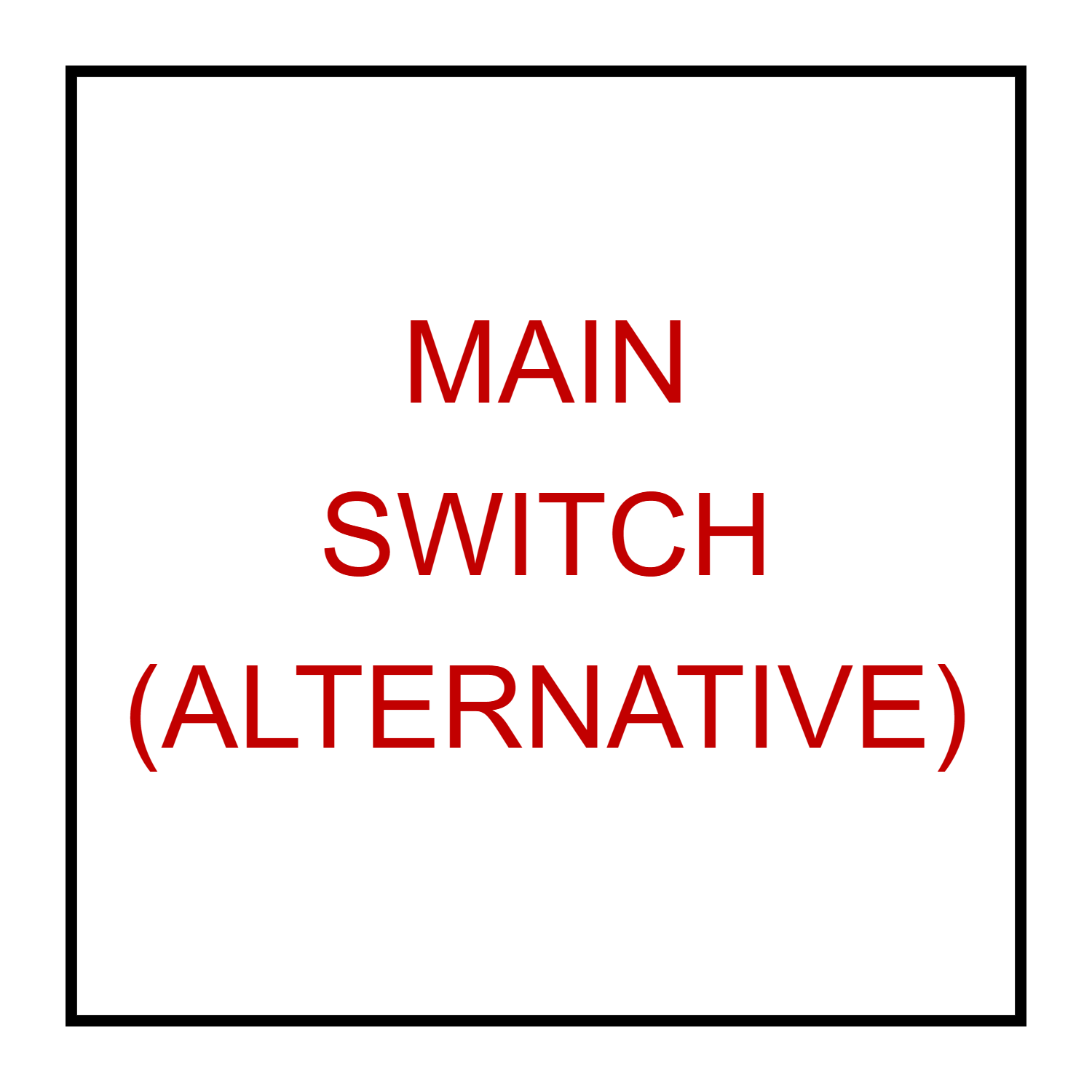
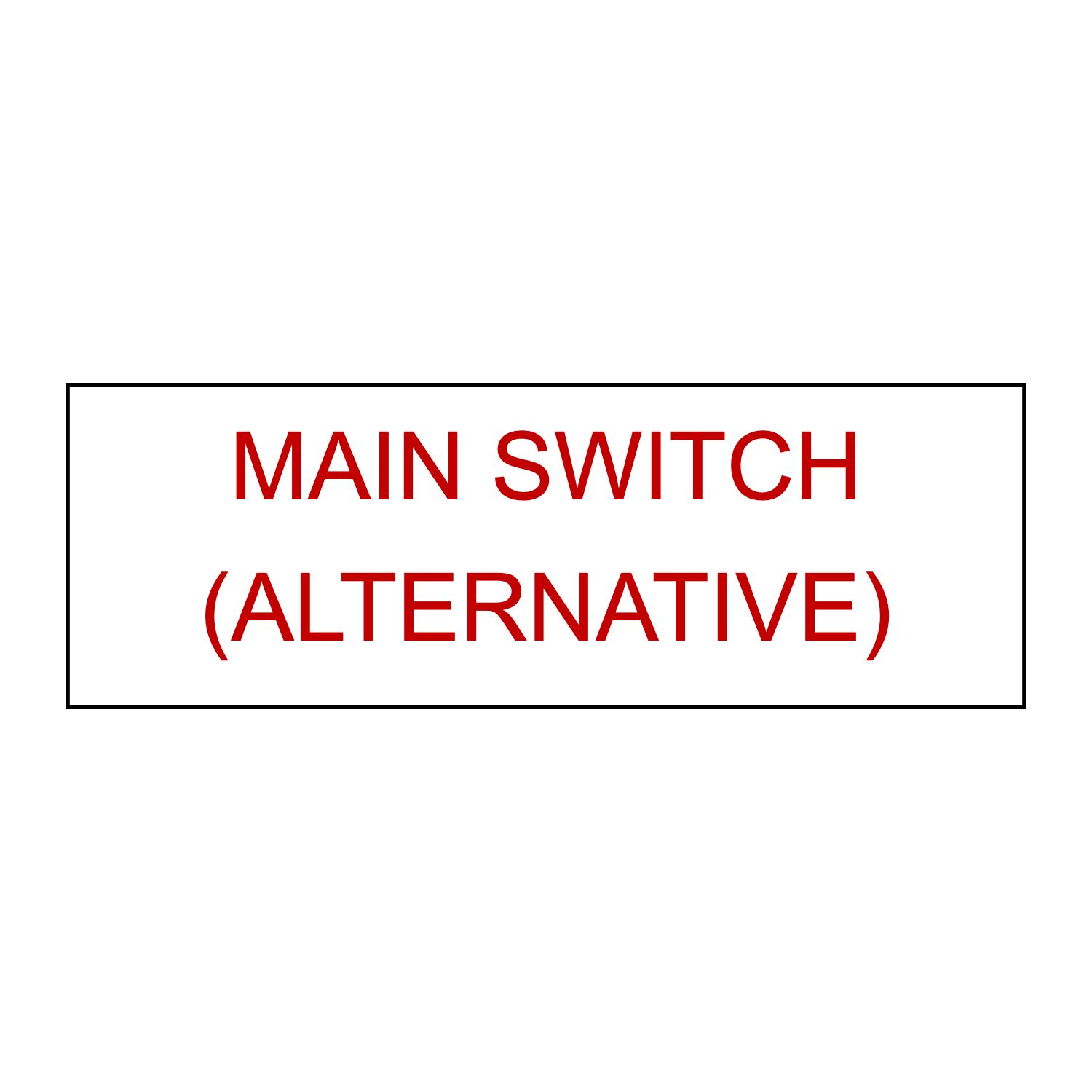
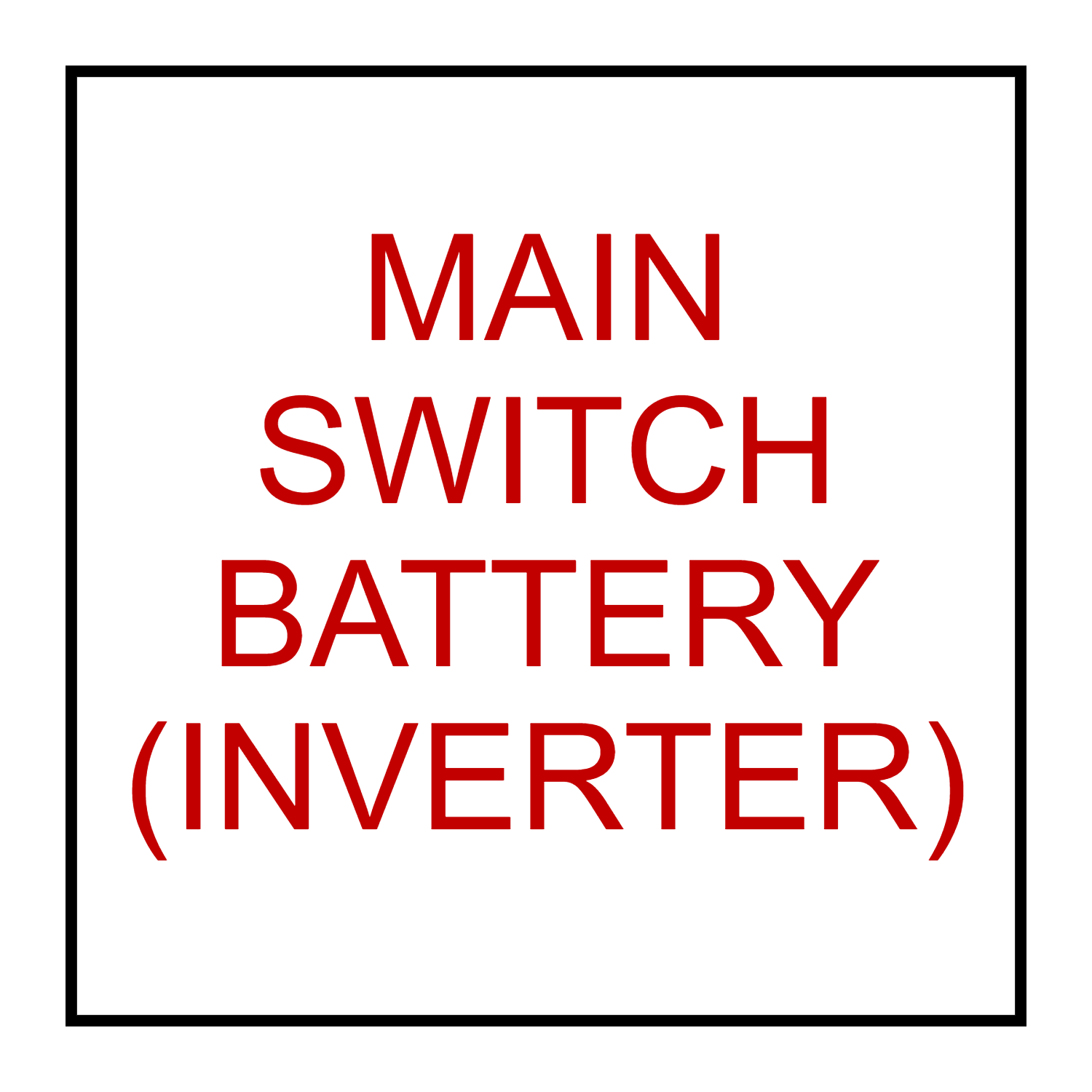
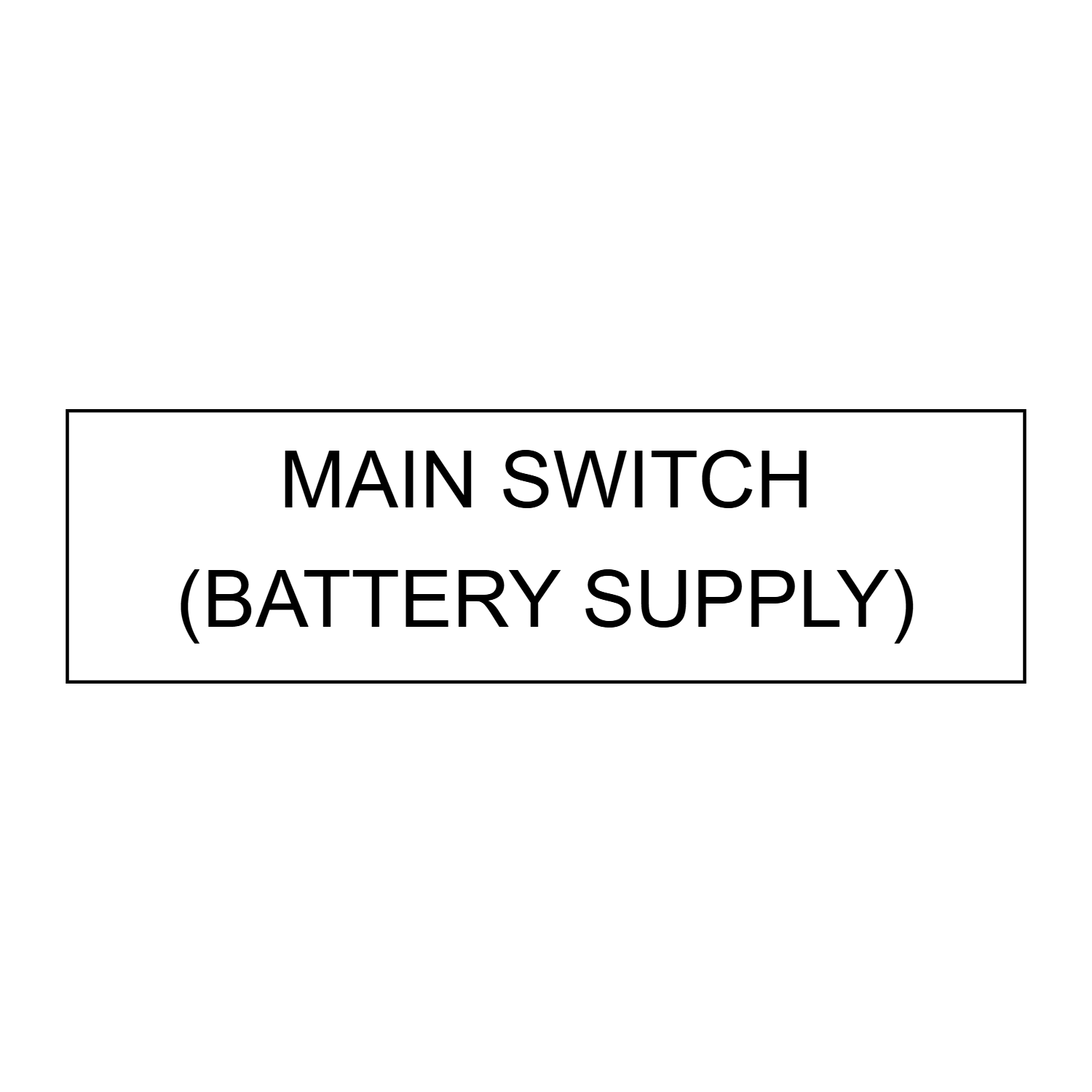
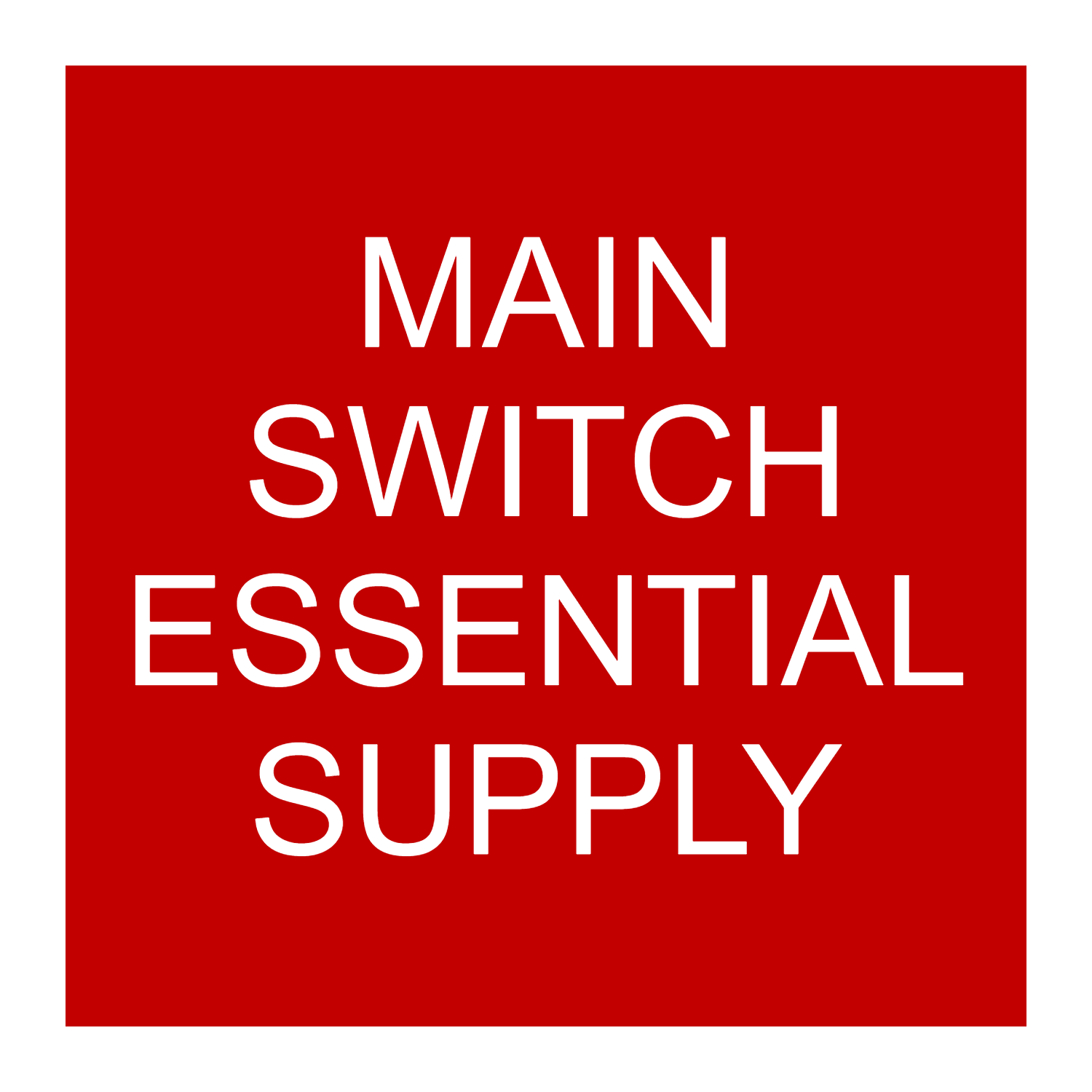
![Main Switch Generator [Alternative]](/_next/image?url=https%3A%2F%2Fimages.dingolabels.com.au%2Fproducts%2Fdb07e698-f7ef-41c9-b702-520702472b29%2Ffe5f0fb9-543b-4d5f-a0c1-7b8ac1e871c0.png&w=3840&q=75)
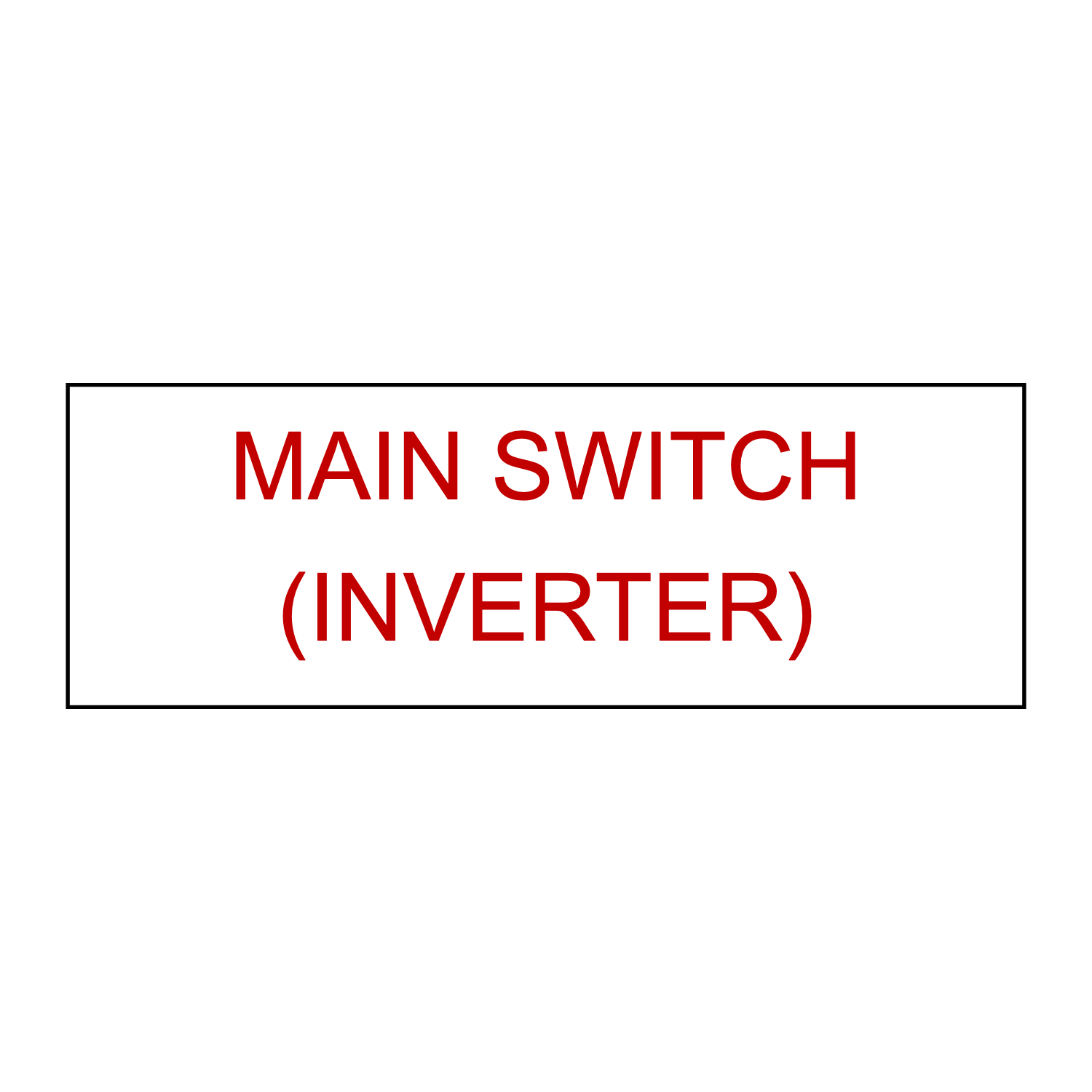
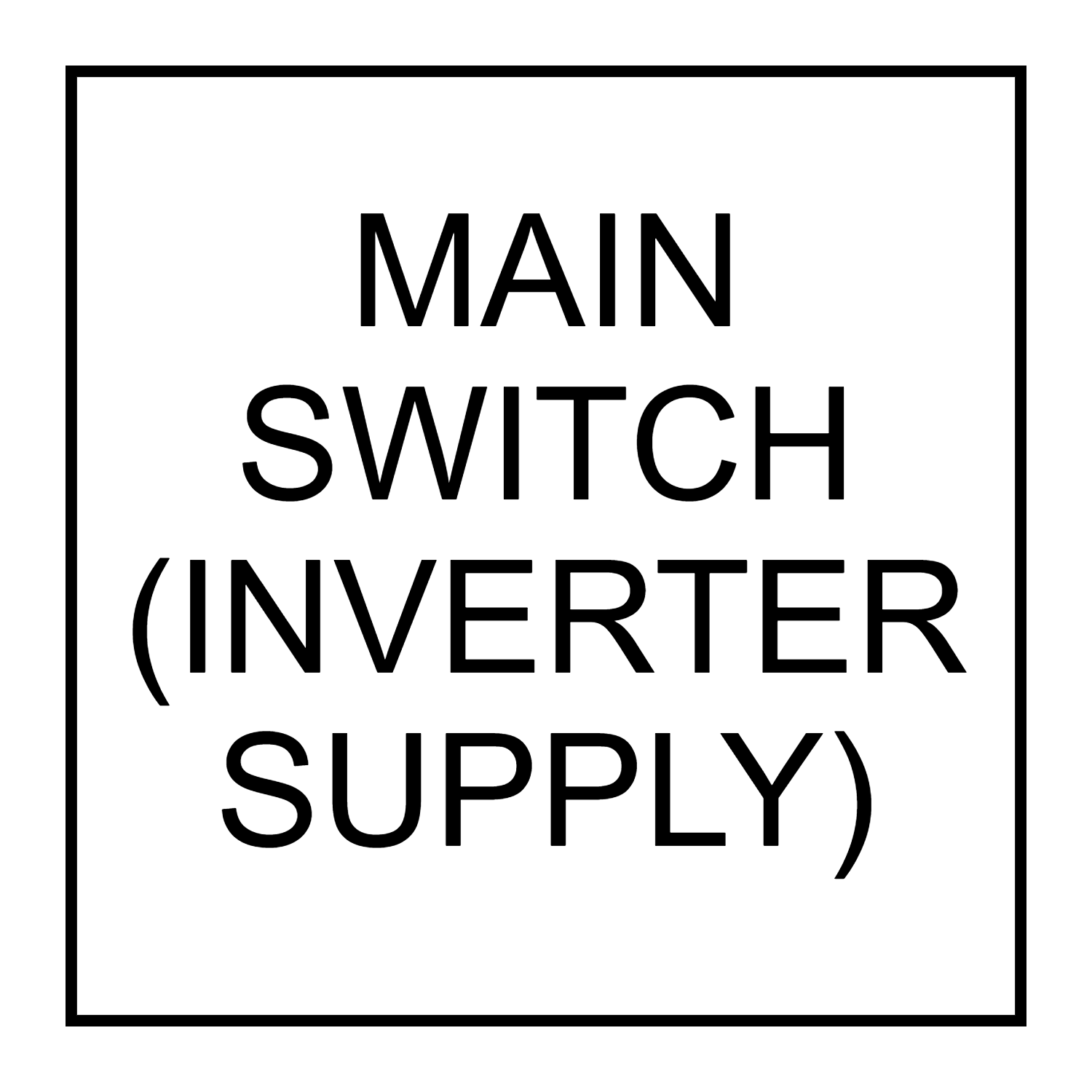
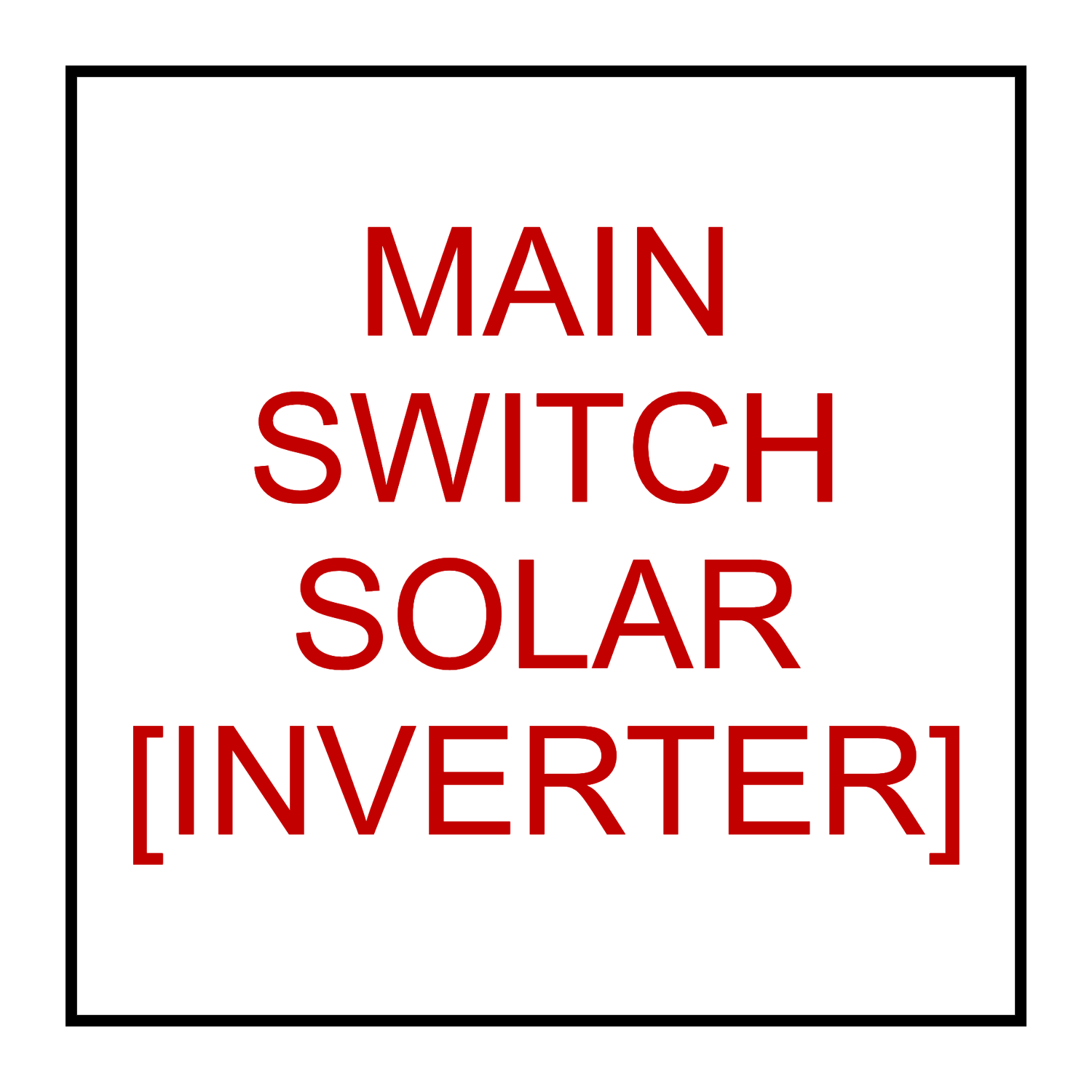

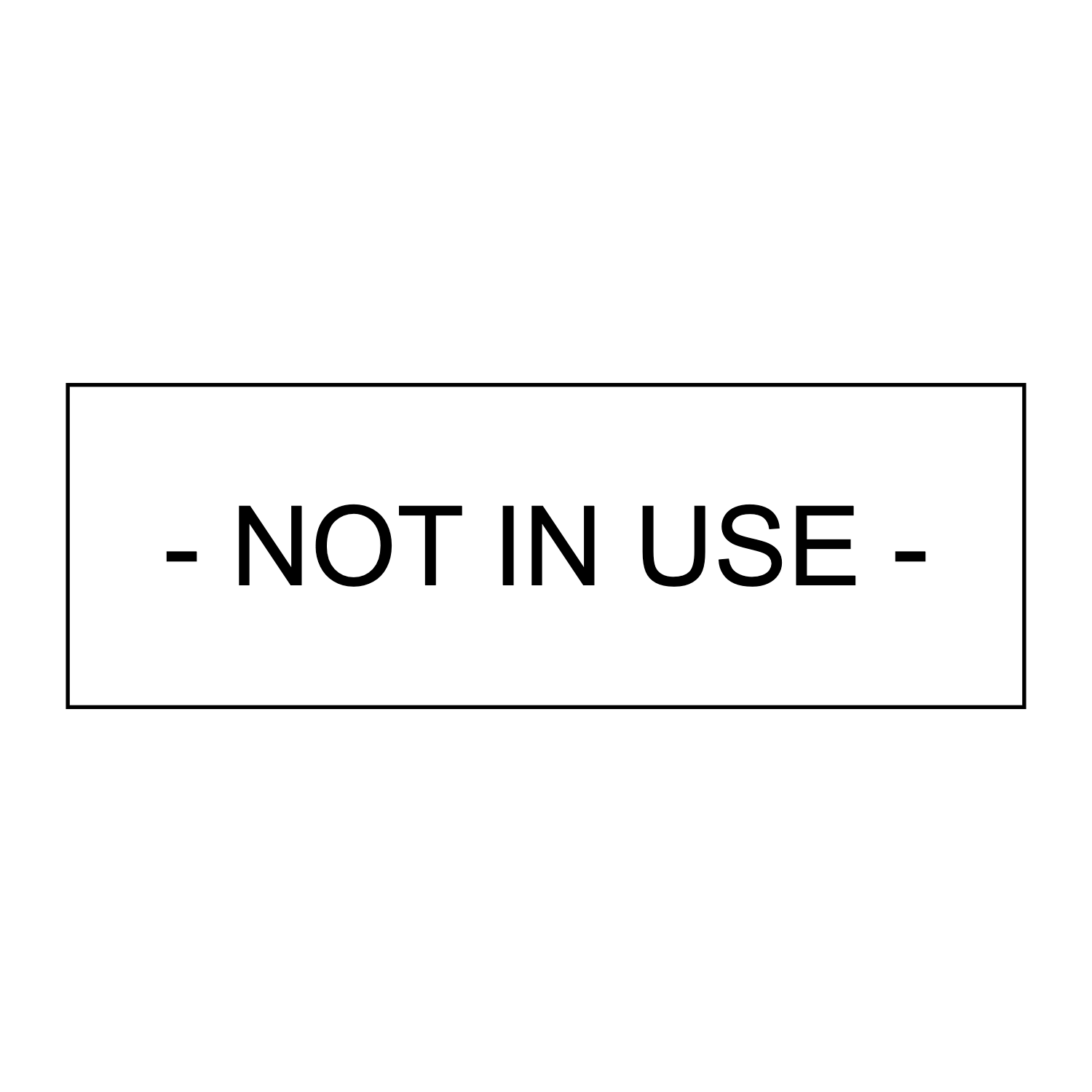
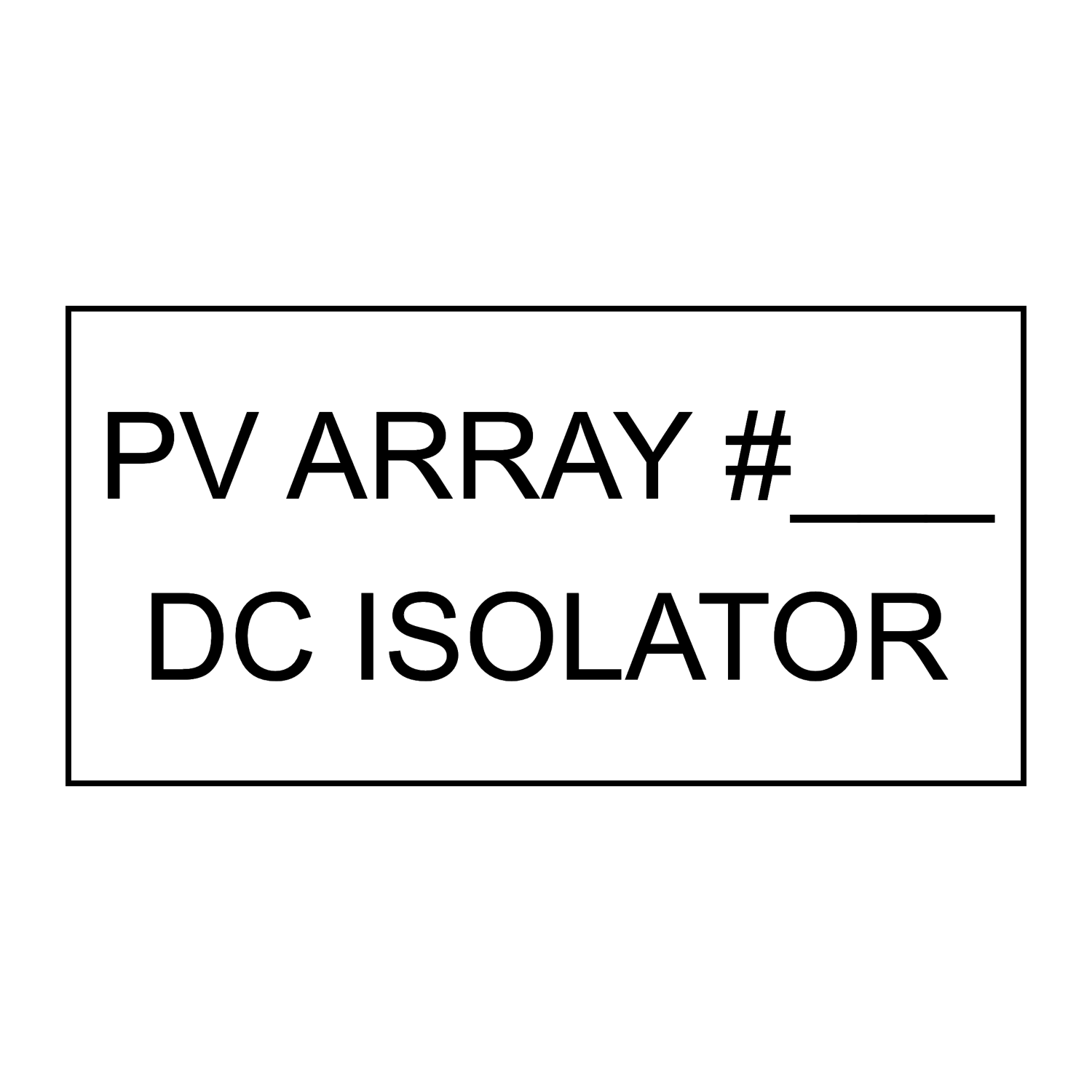
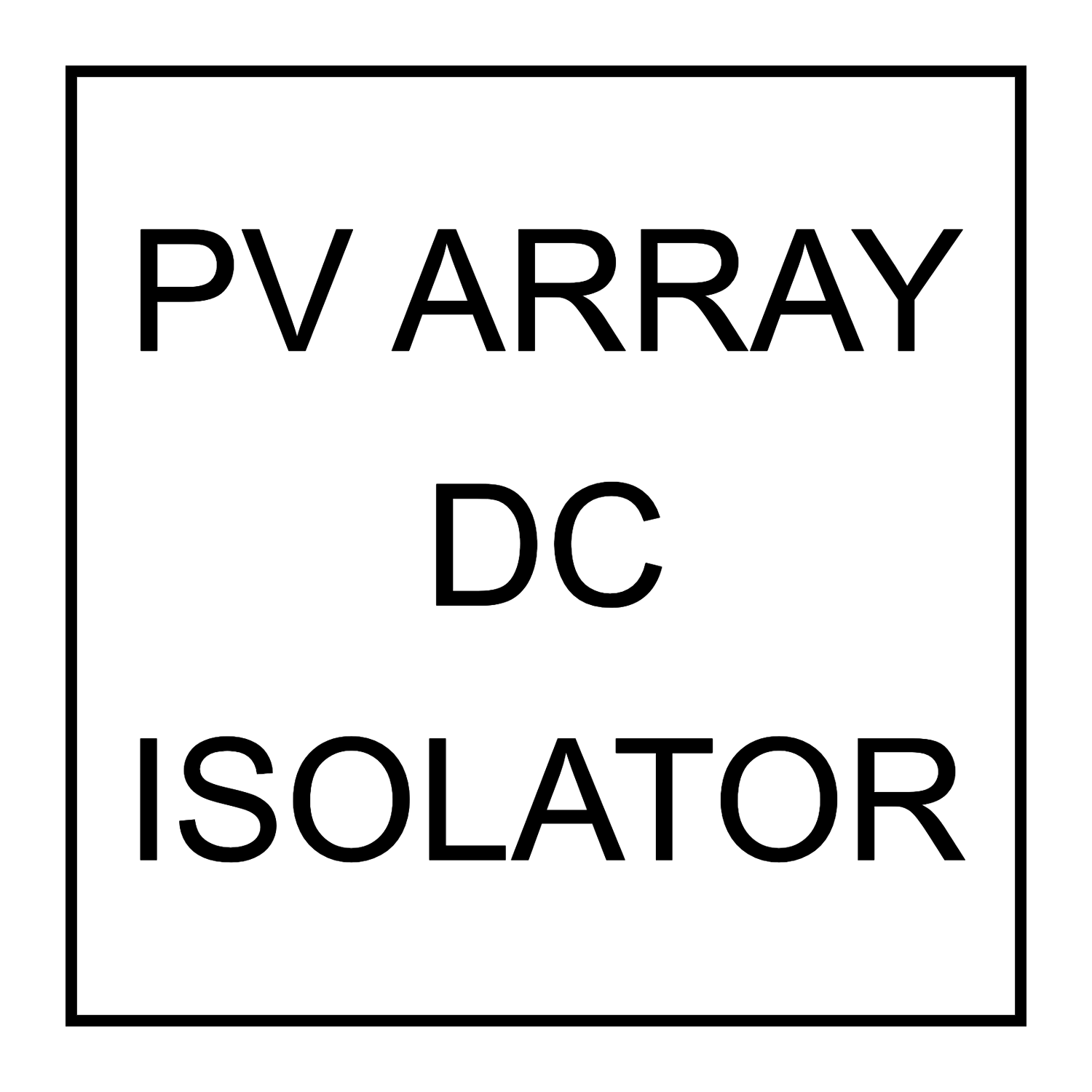

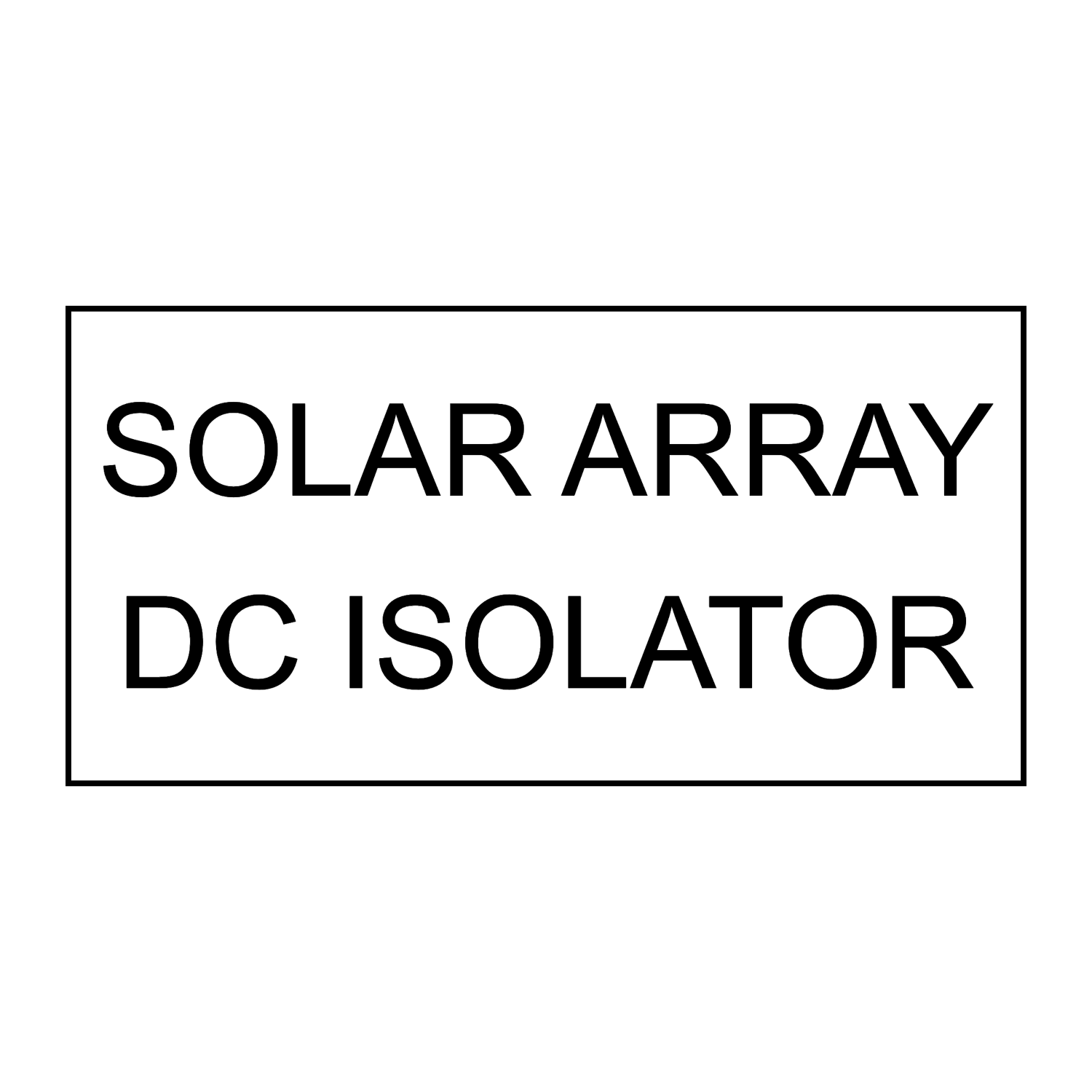

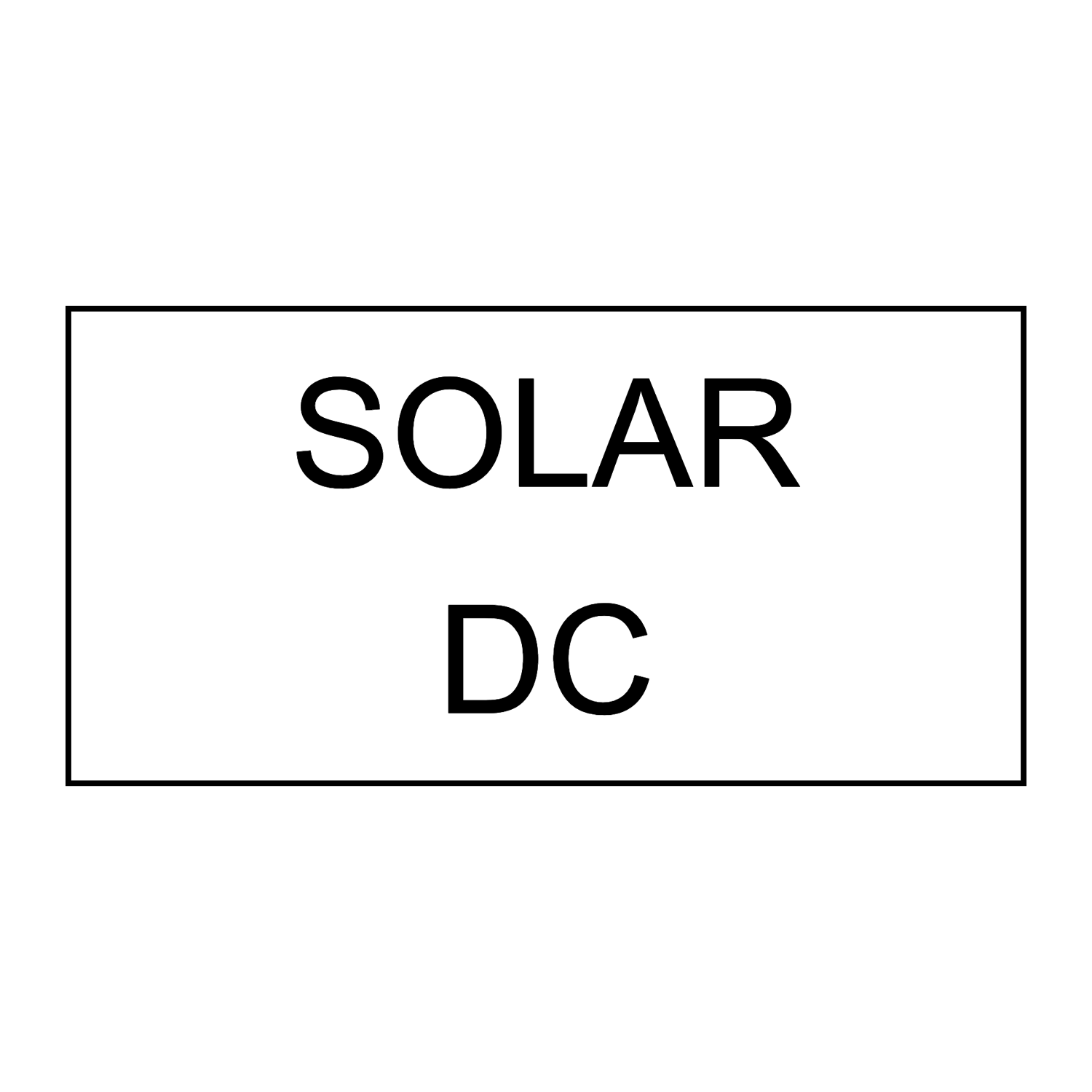
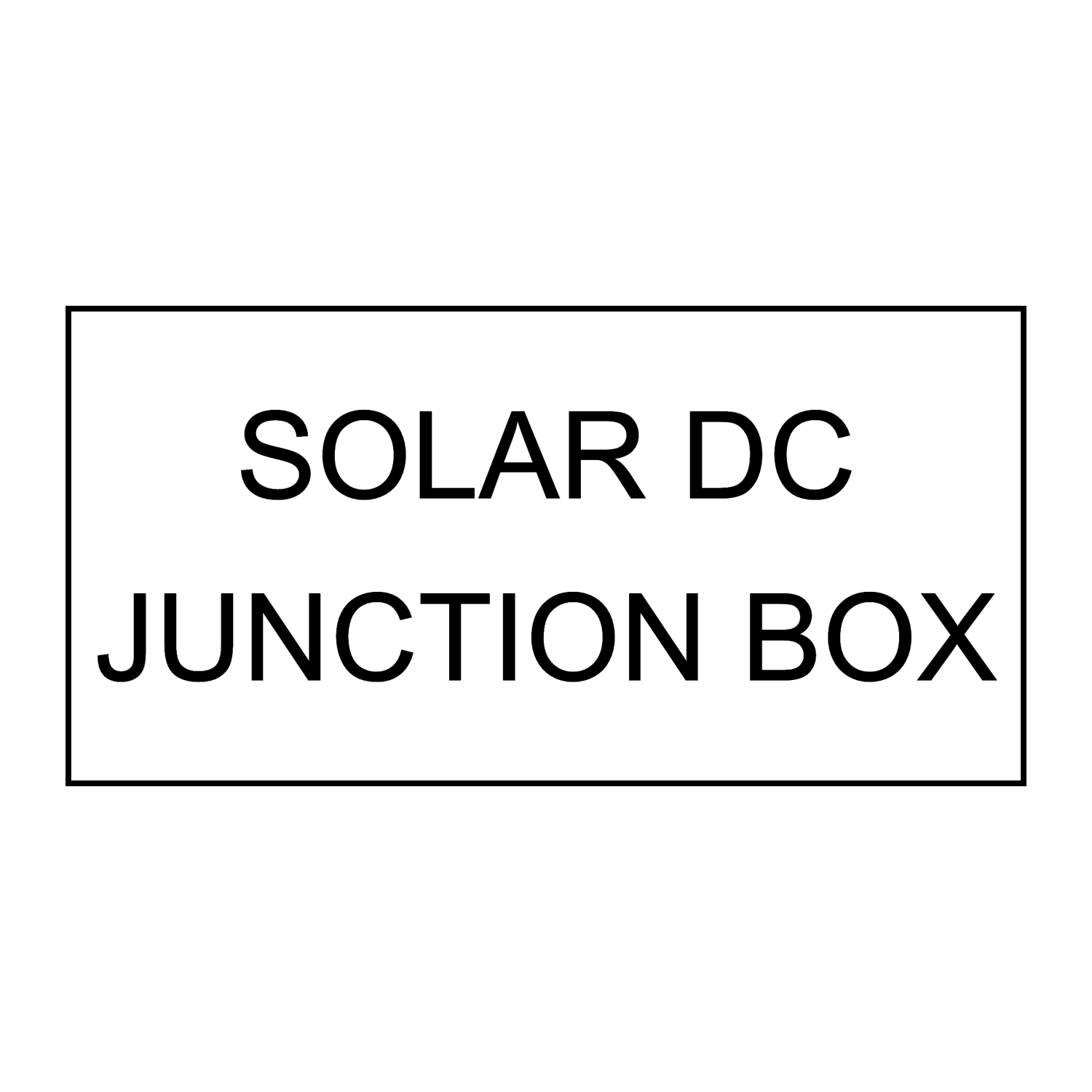

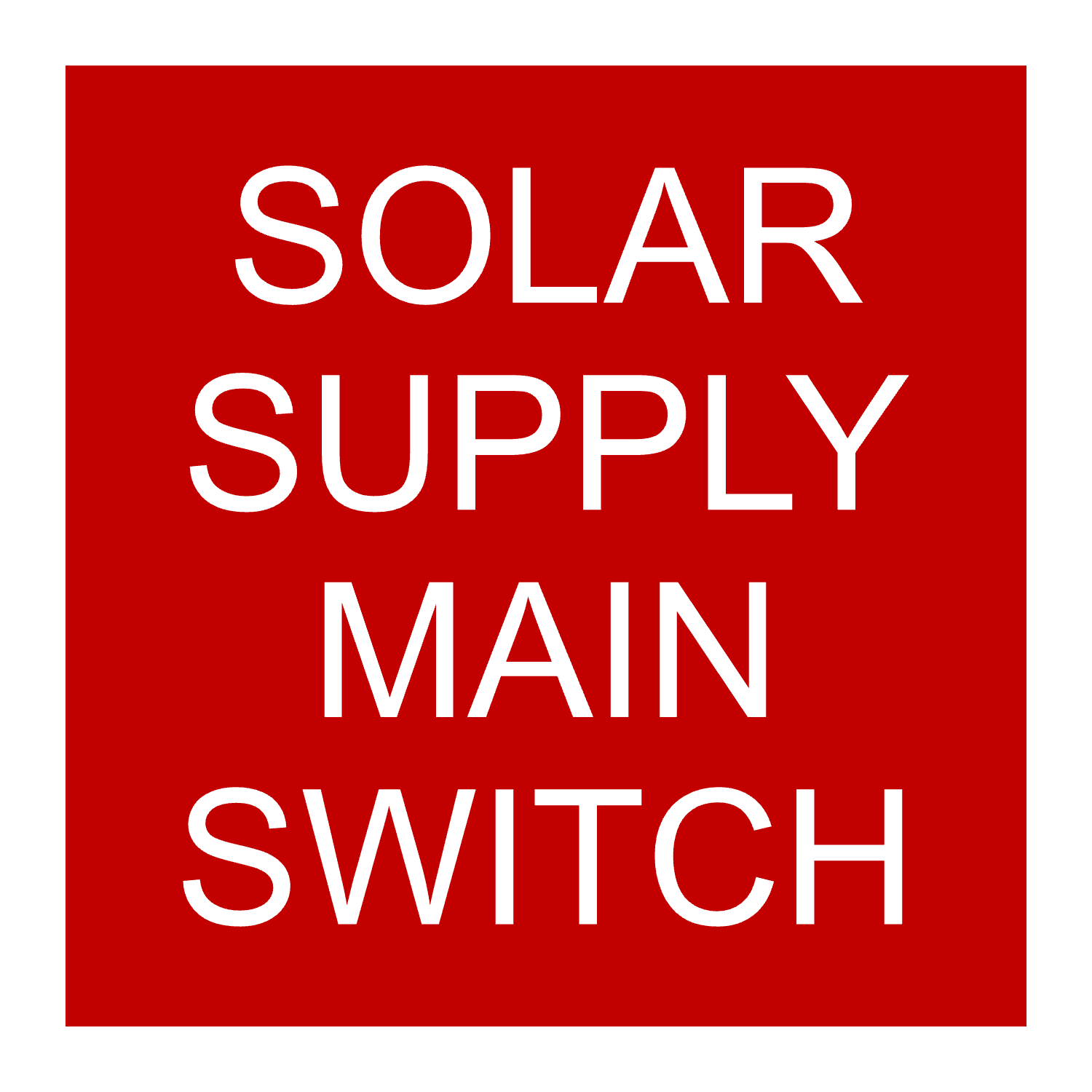
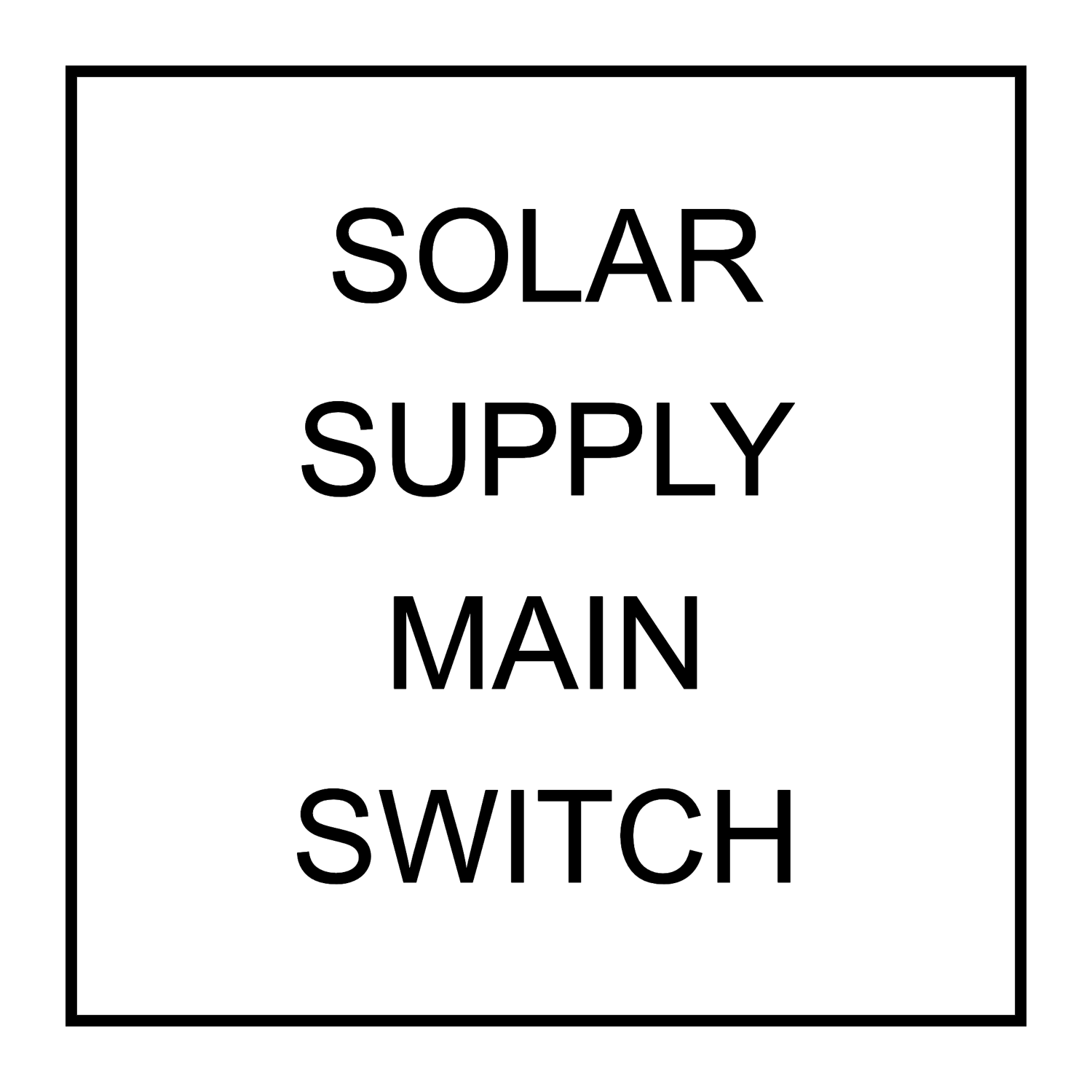

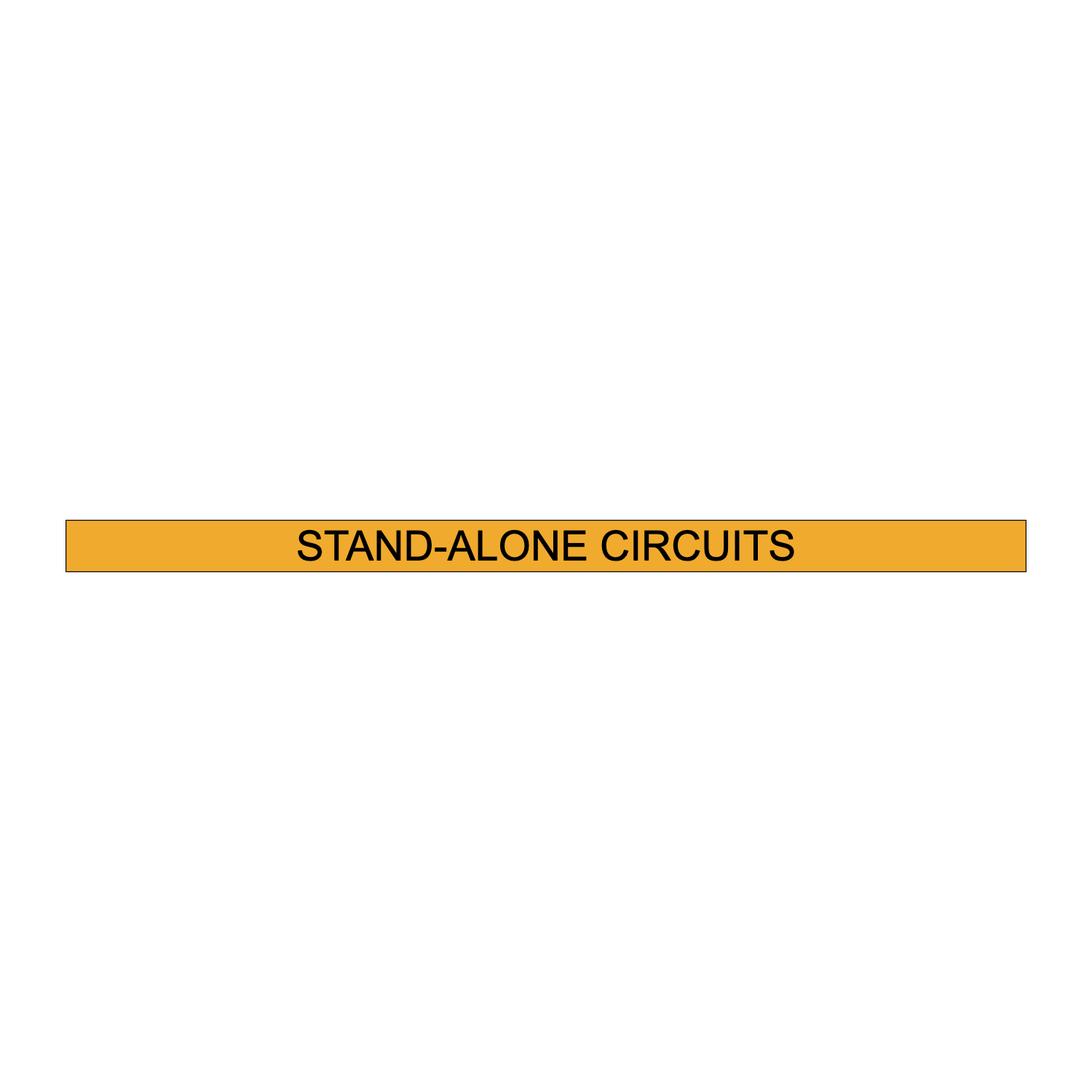
What a switchboard label is for
Switchboard labelling answers one question under pressure: what does this switch do. It is read by someone who did not install the board, often quickly, sometimes in poor light, and occasionally in an emergency. Everything else about the plate — the size, the colour, the material — follows from that.
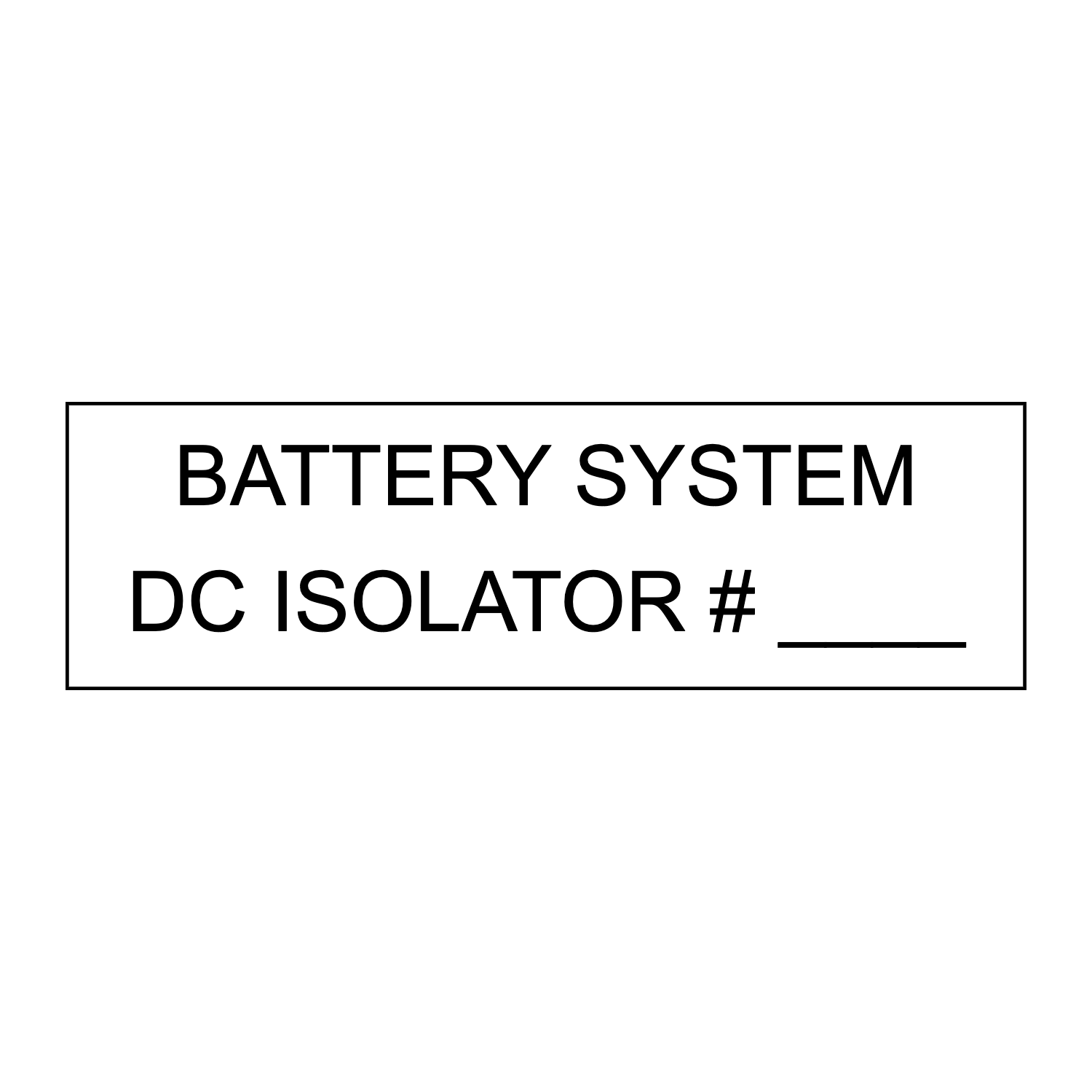
The labels that matter most are the ones marking anything that is not a normal outgoing circuit: the main switch, isolators for on-site generation, and any supply that arrives from somewhere other than the street. A board where every breaker is neatly labelled but the second supply is not is more dangerous than an unlabelled board, because it reads as complete.
Which standards apply
Switchboard identification and labelling sits under AS/NZS 3000, the Wiring Rules.
We make the labels; we don't certify installations. If you need to be certain a particular plate satisfies a particular clause, check it against the standard or with your inspector before ordering.
Sizing and selection
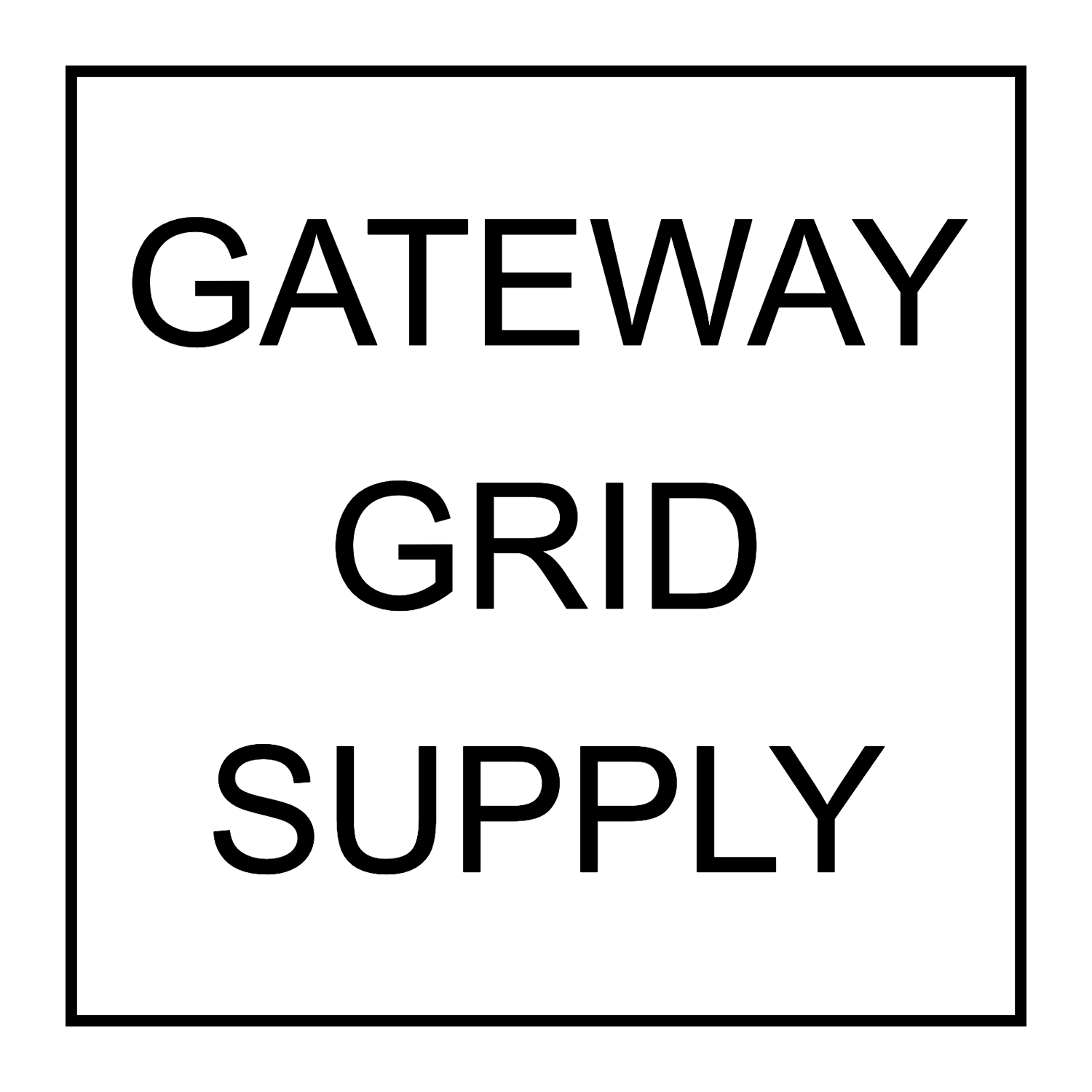
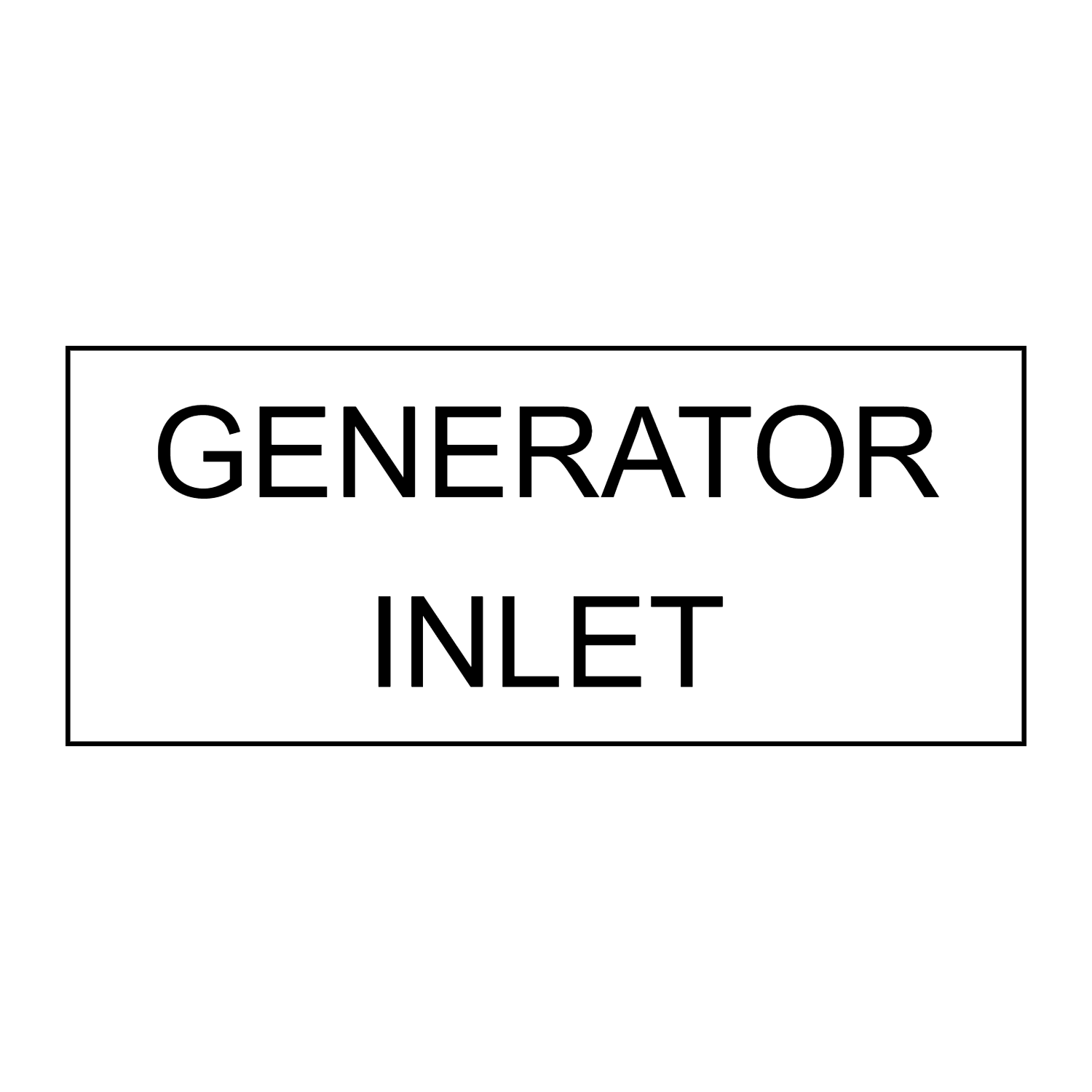
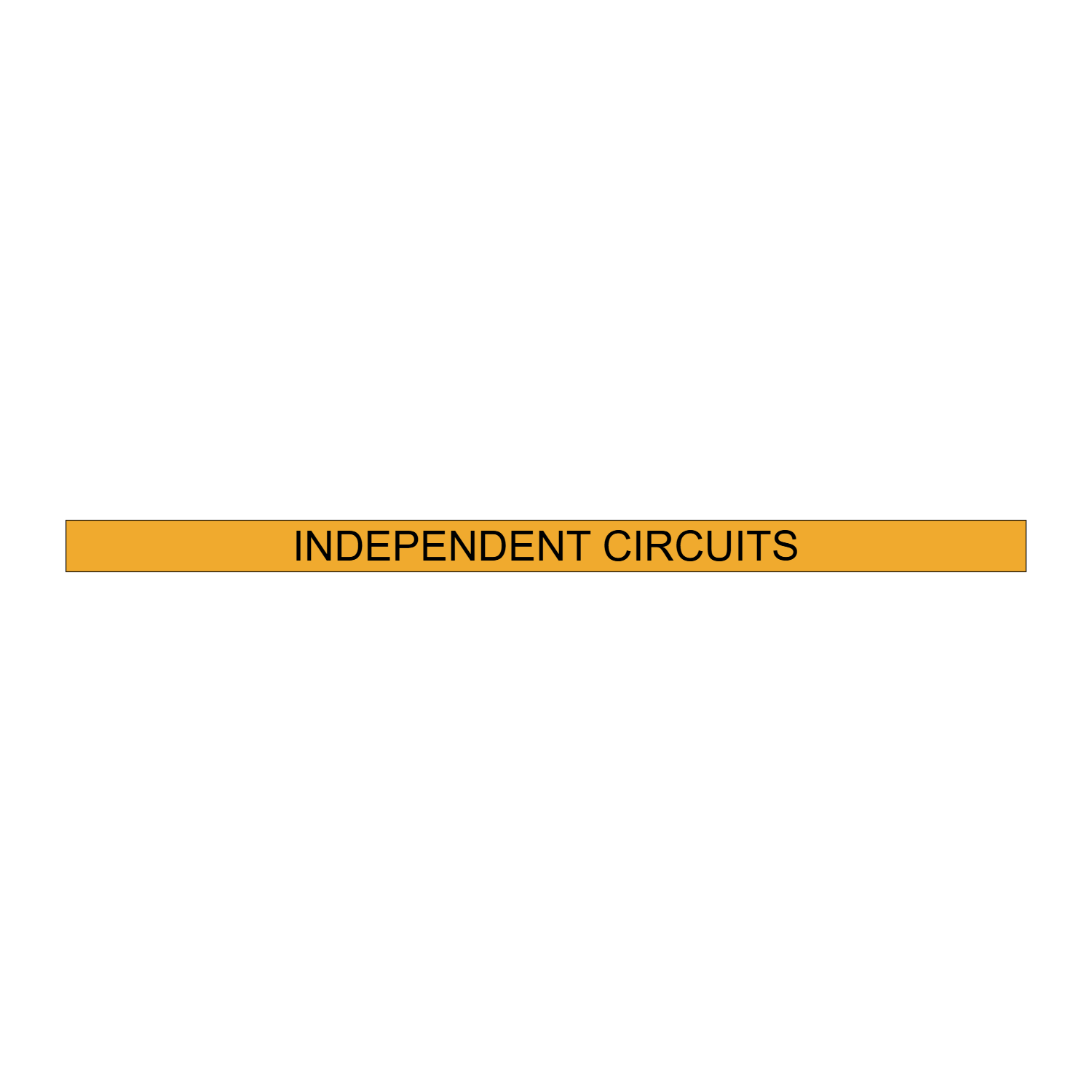
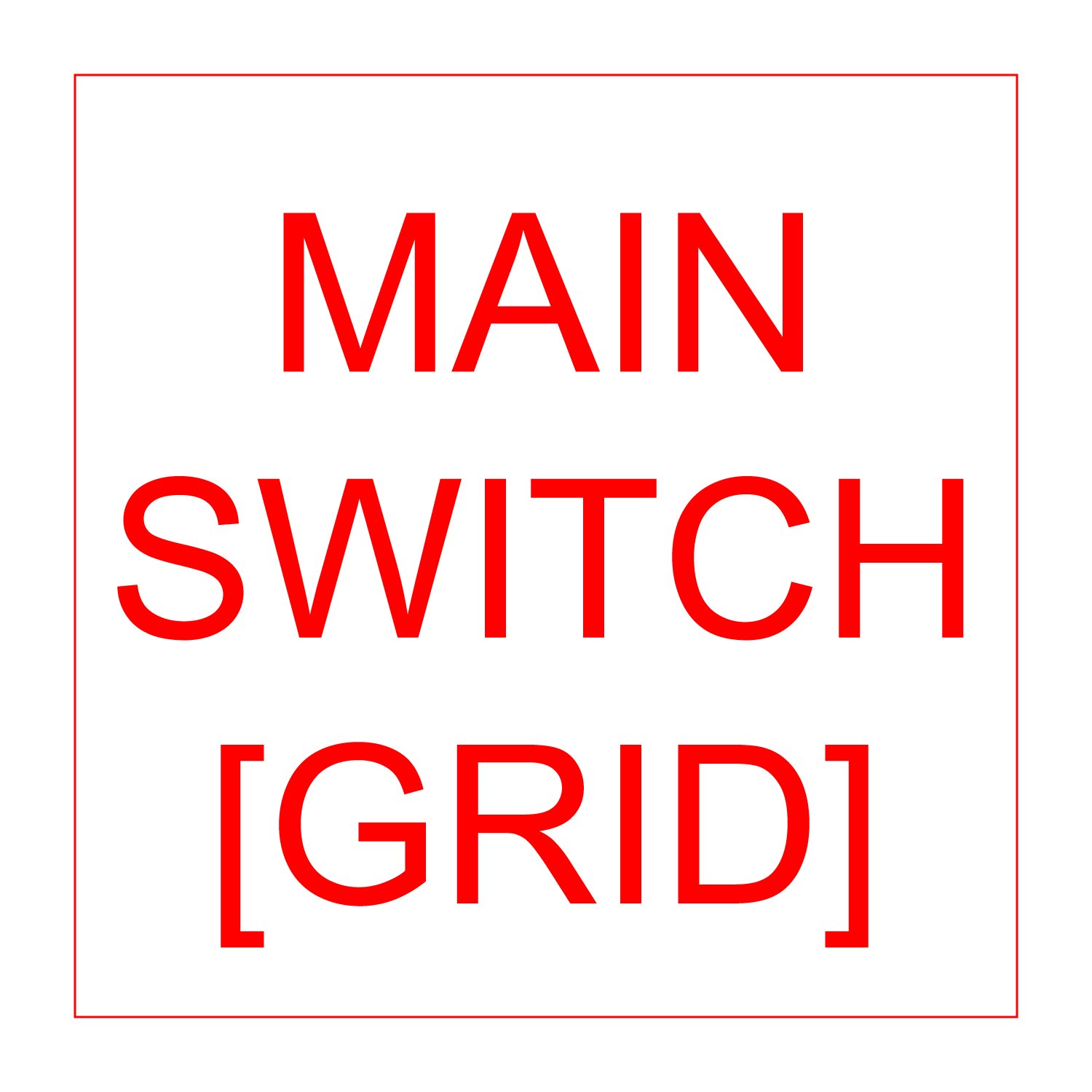
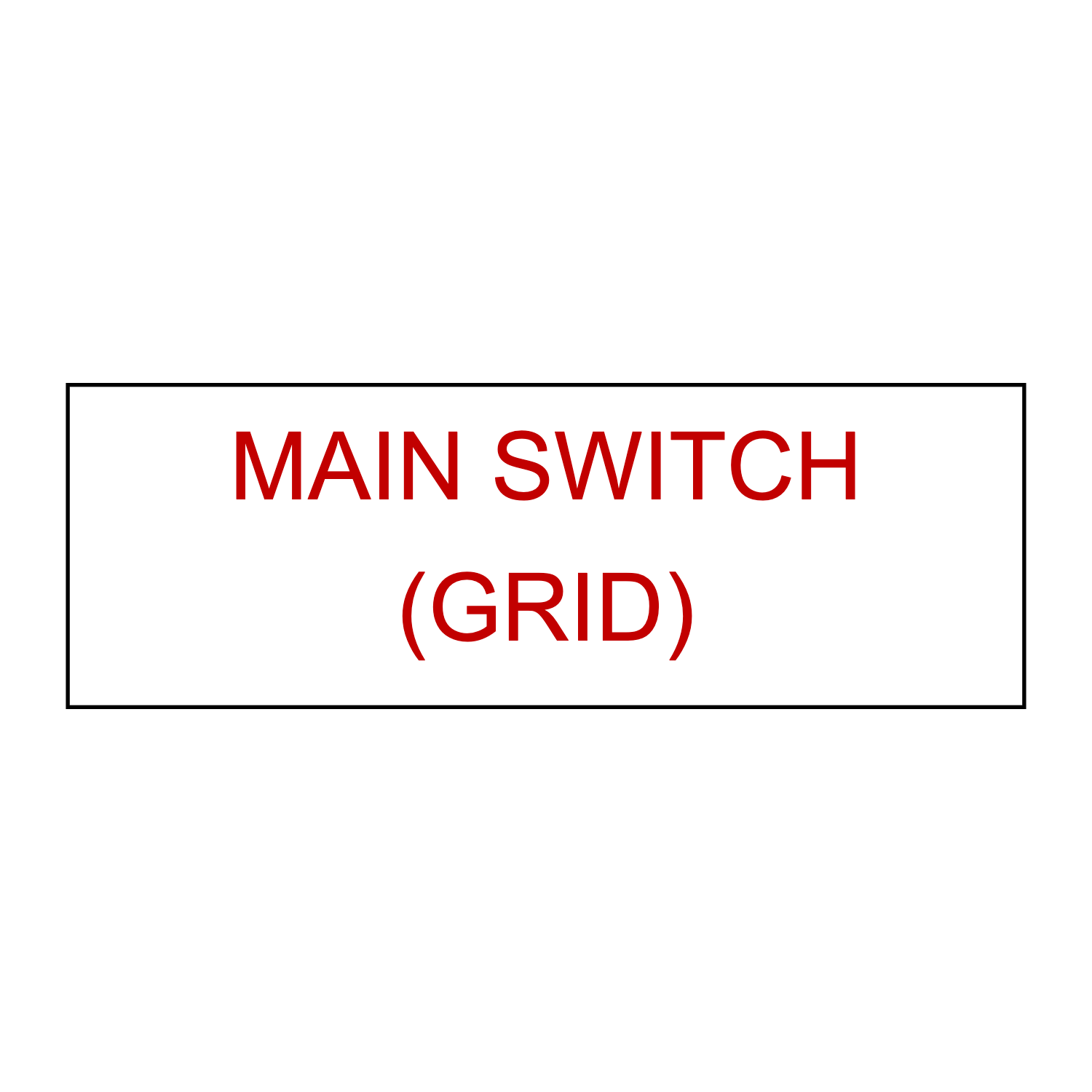
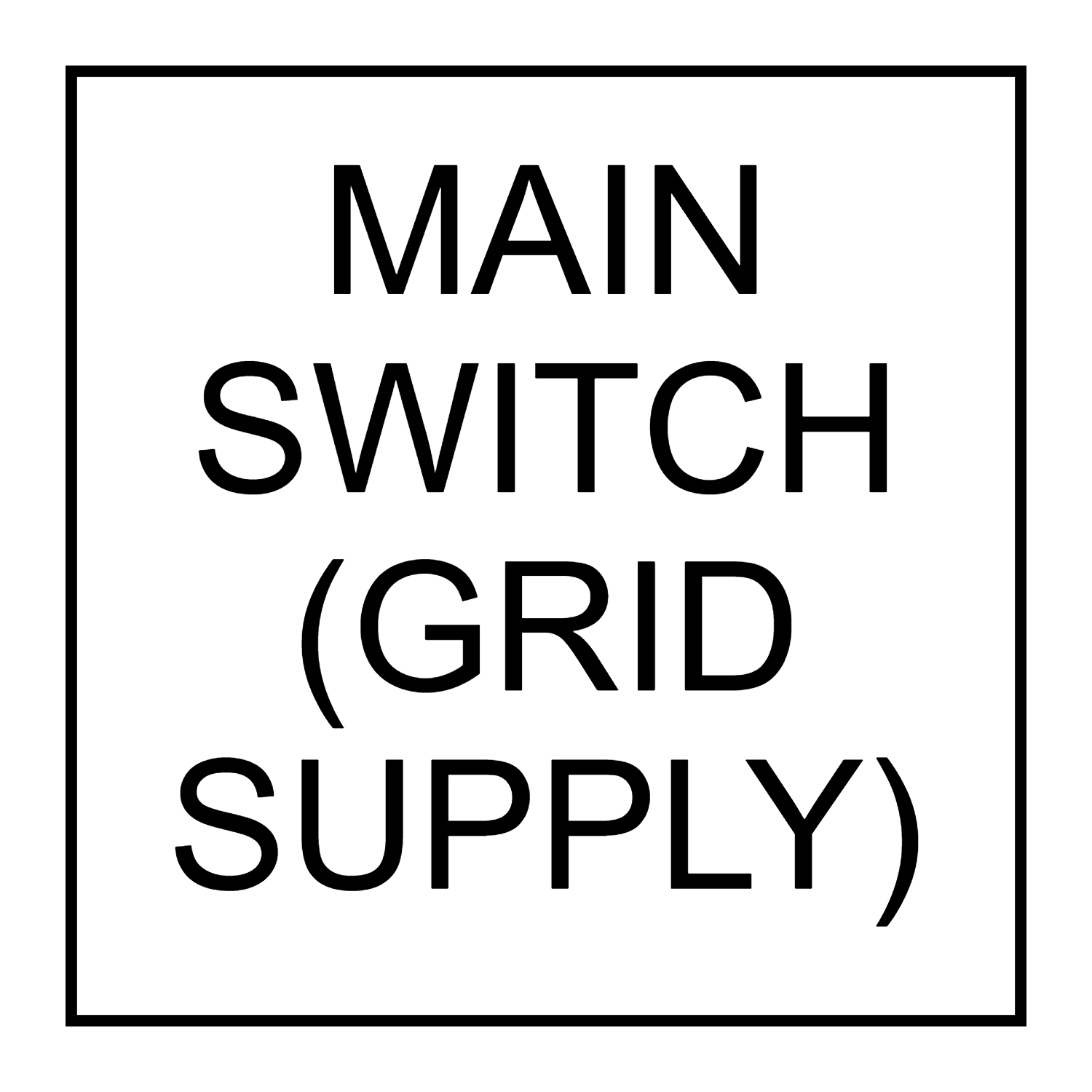
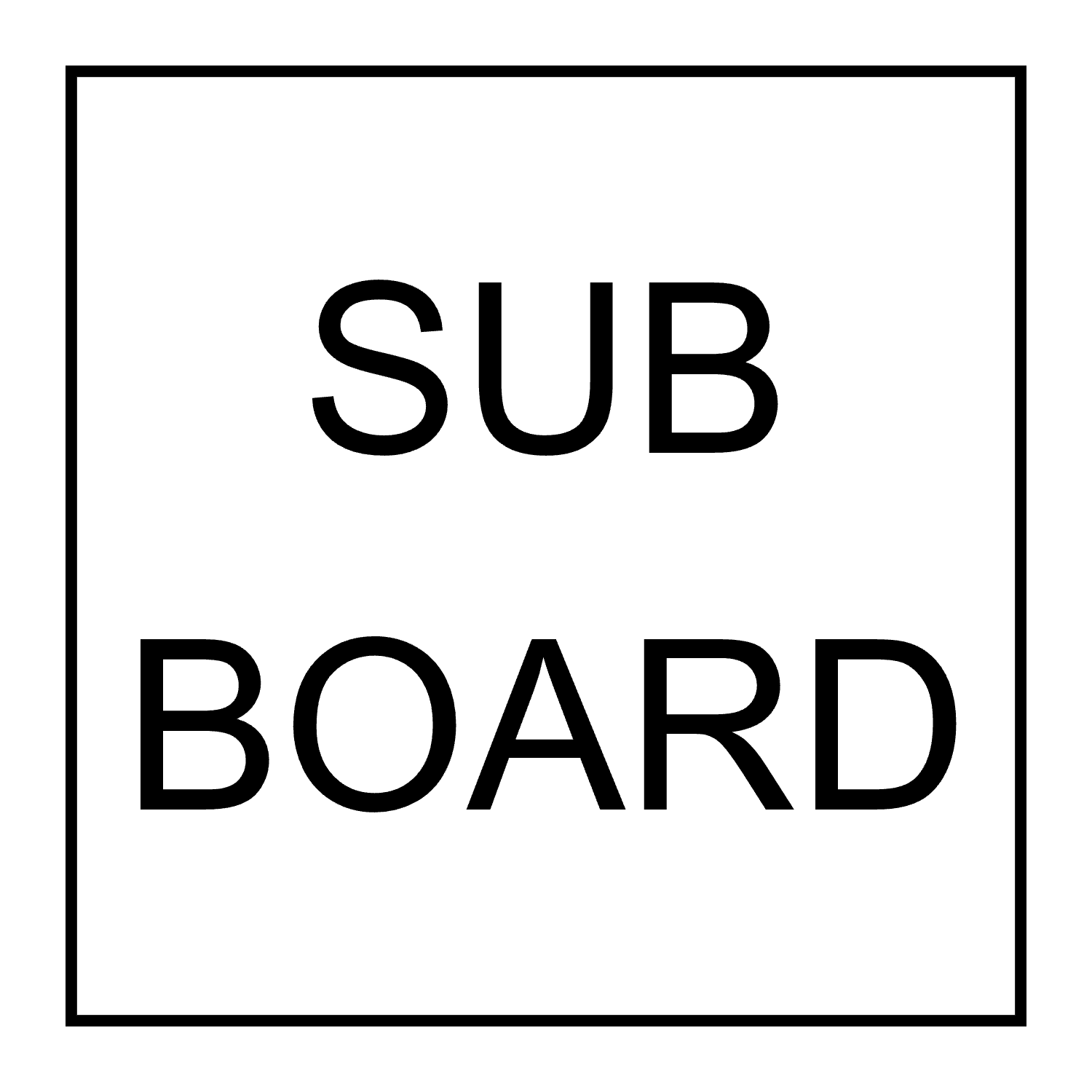
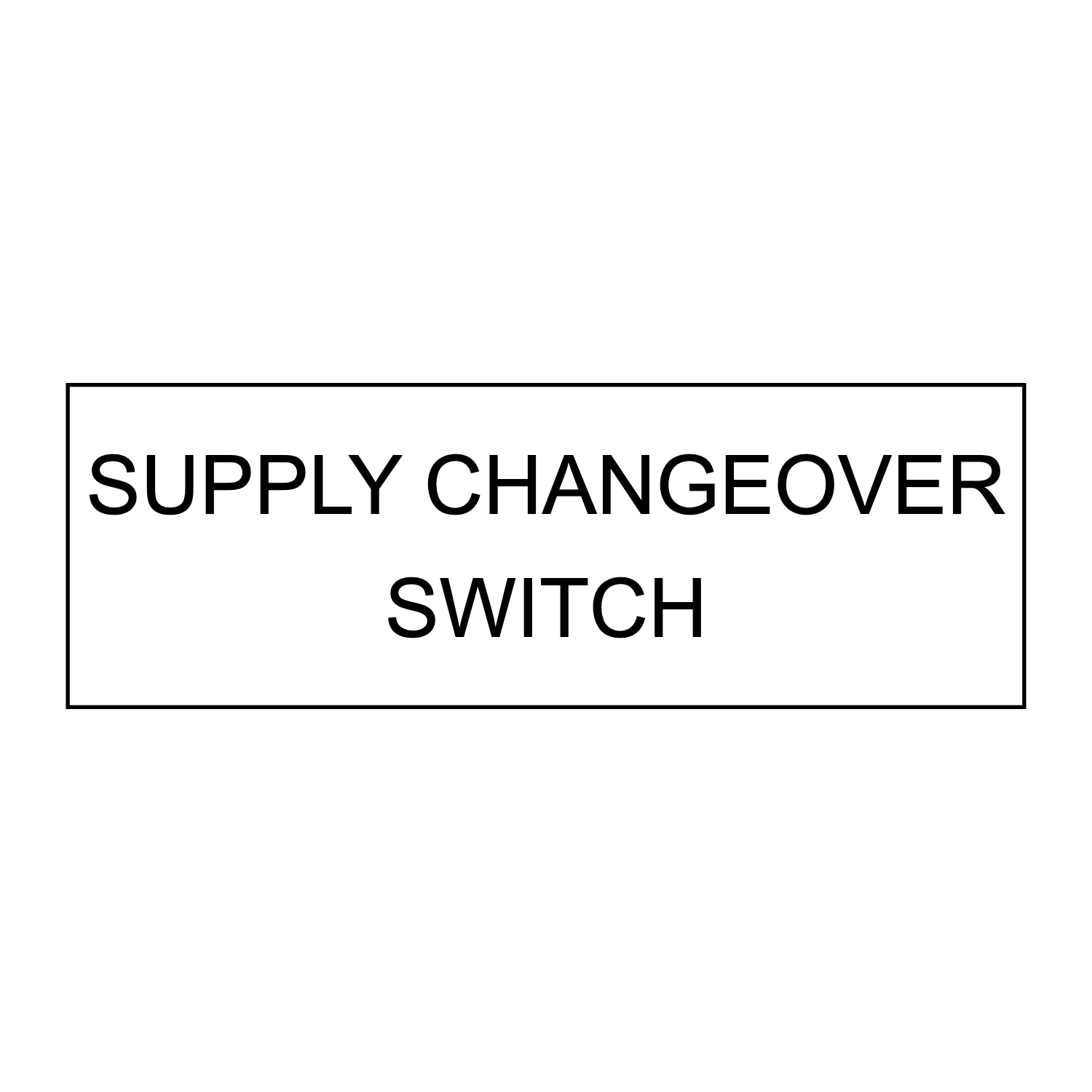
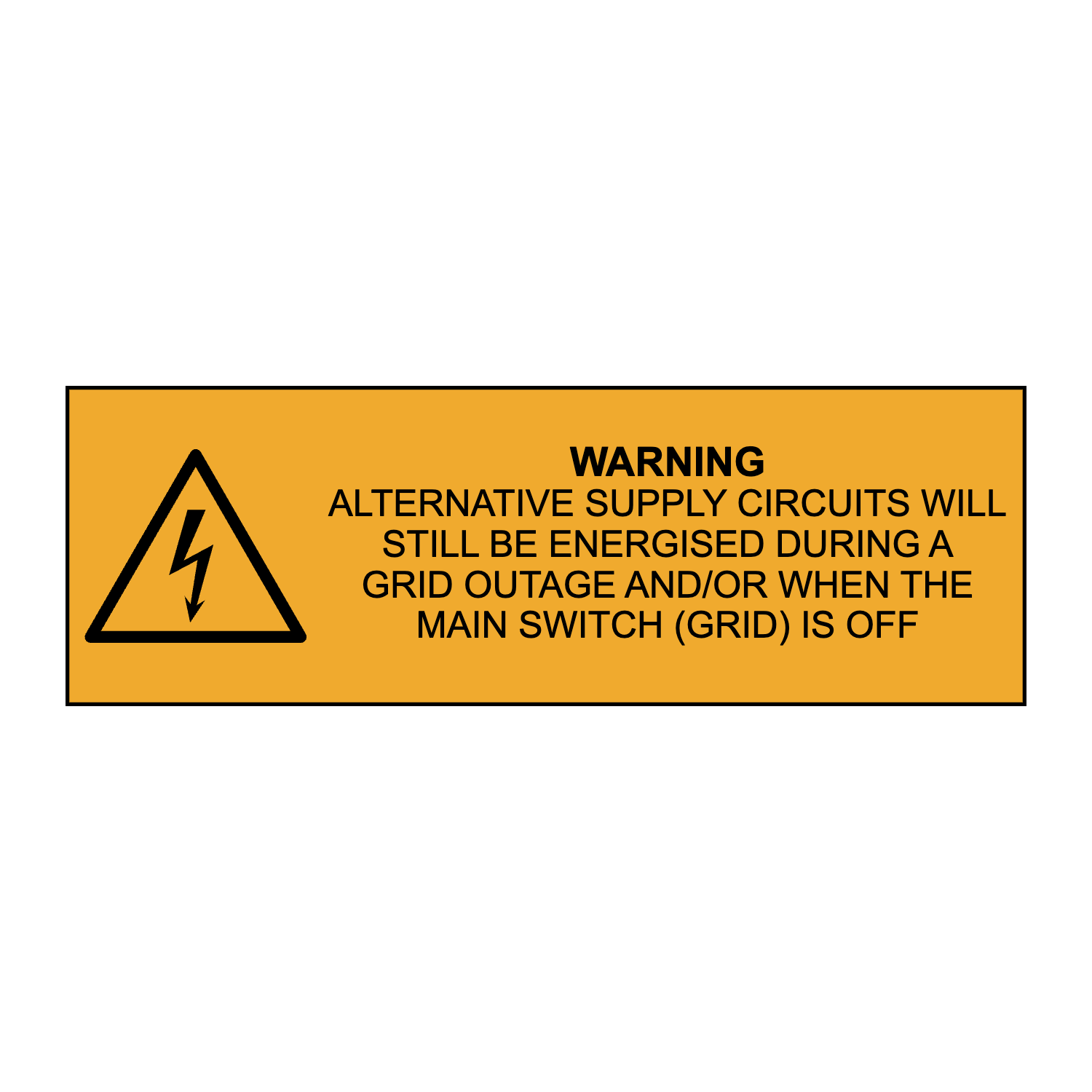
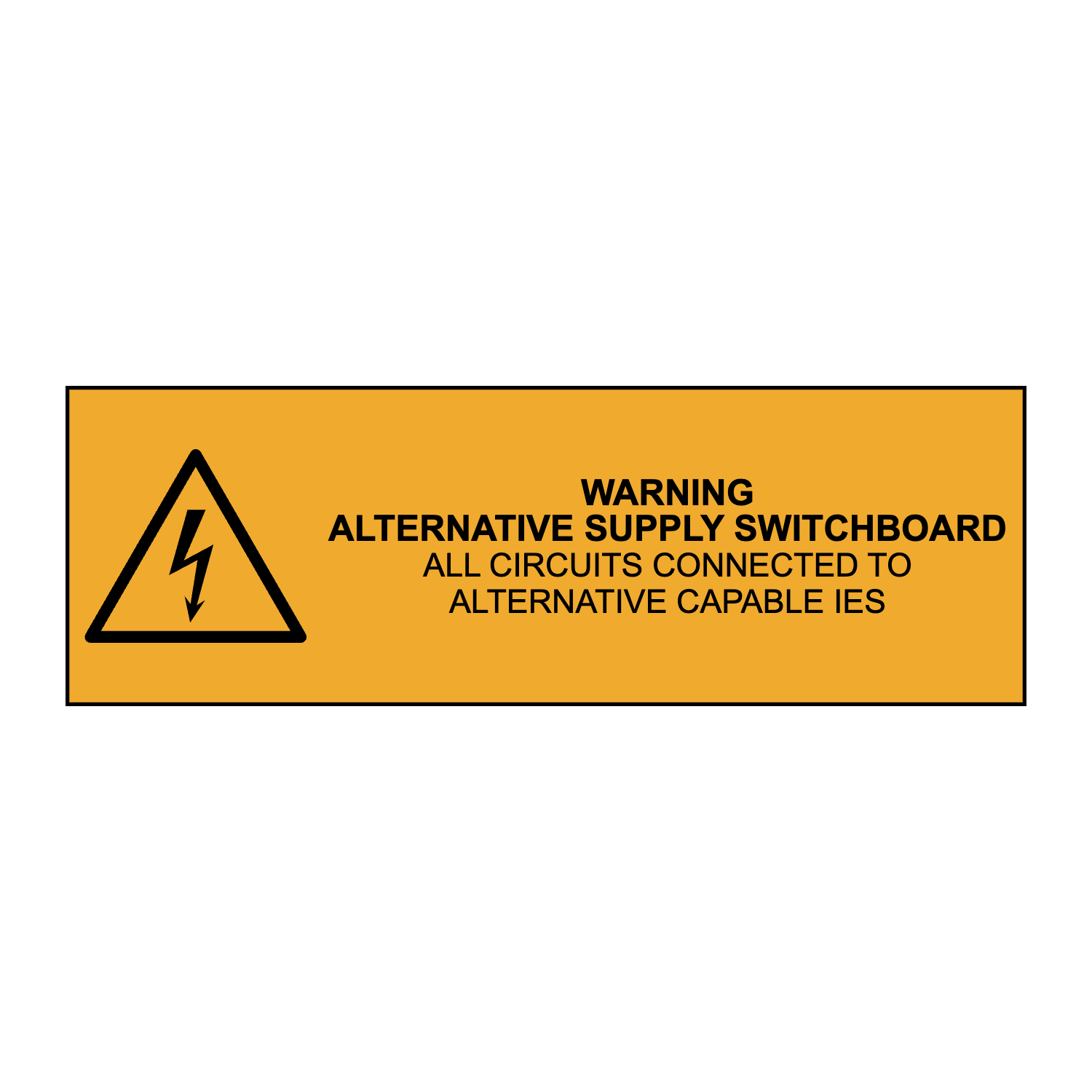
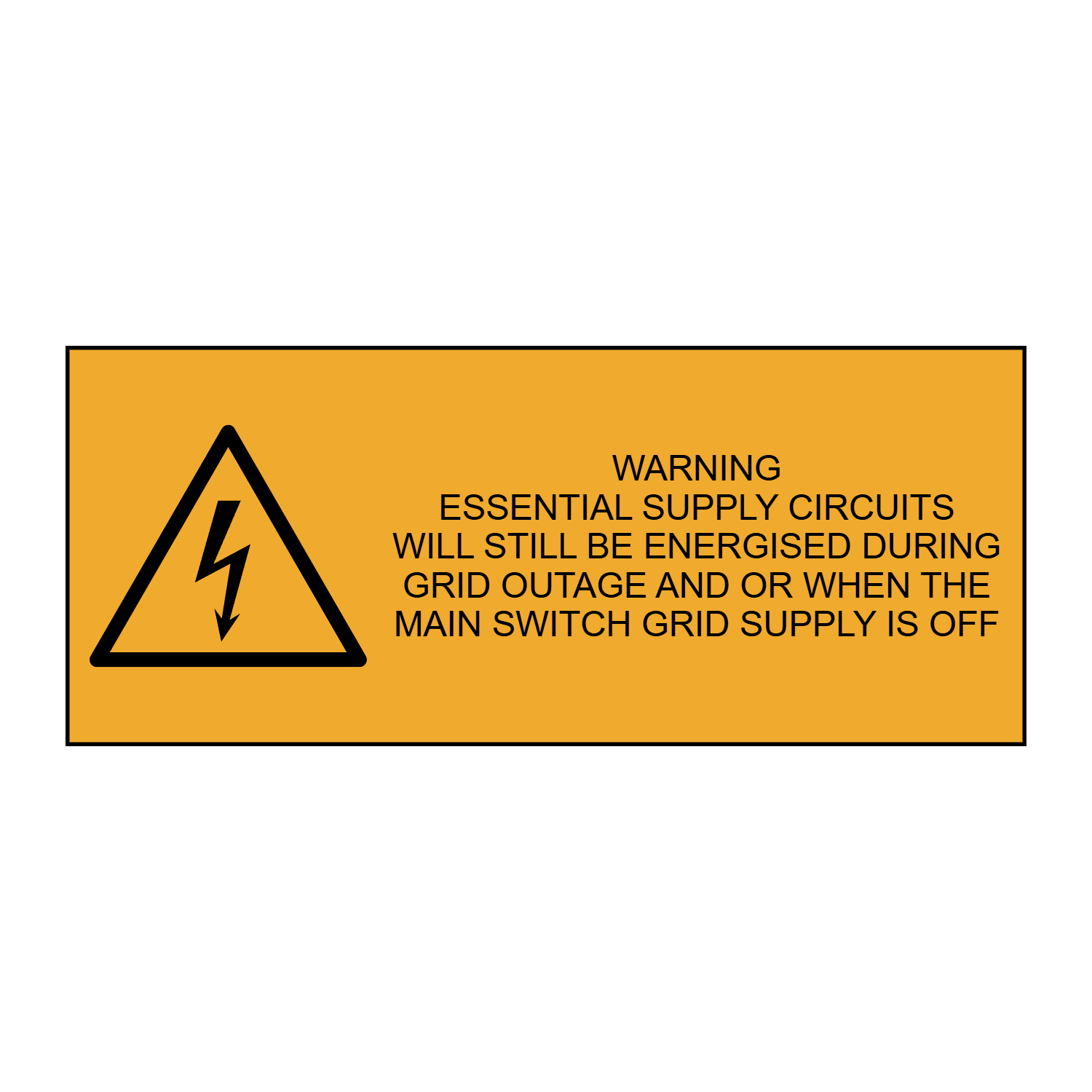
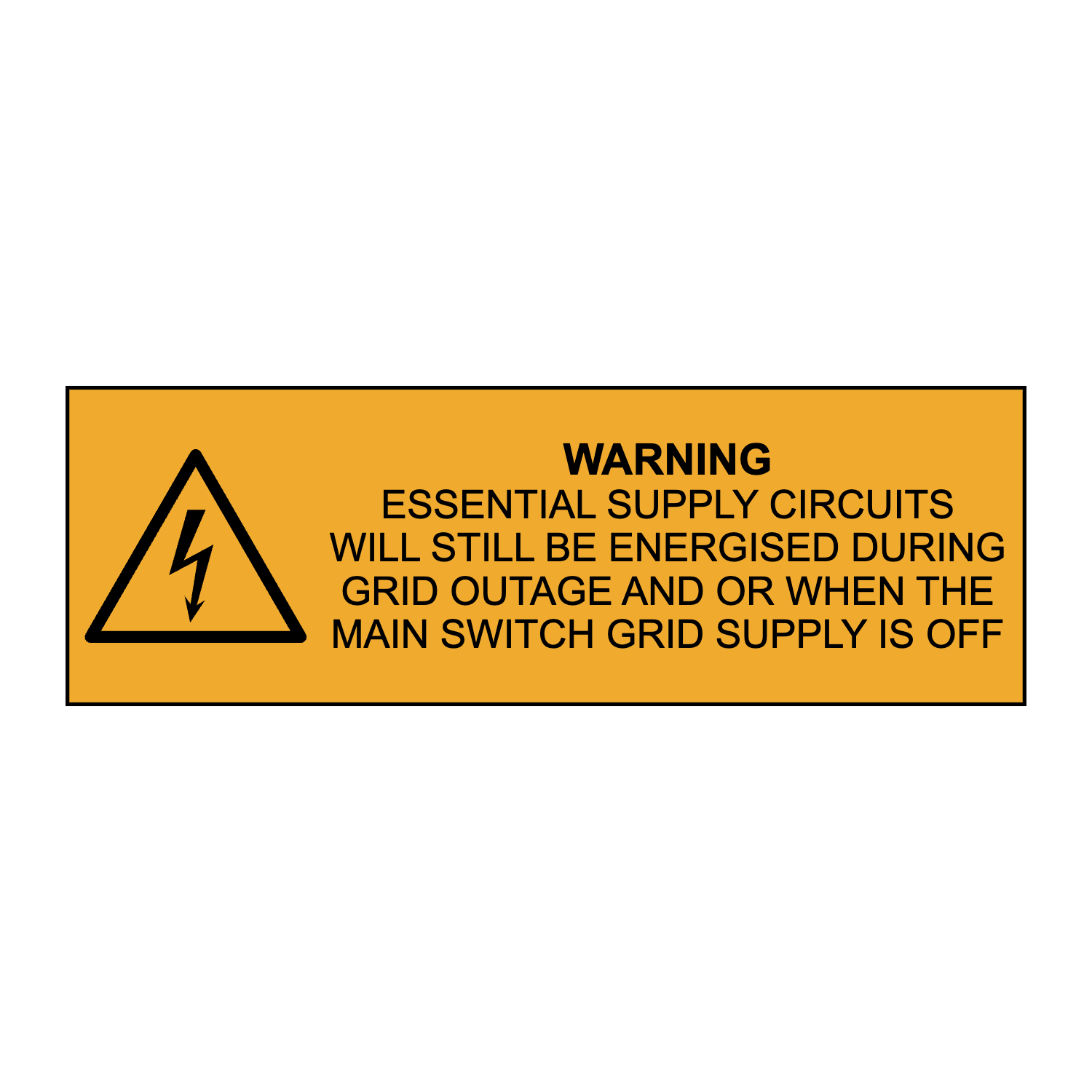
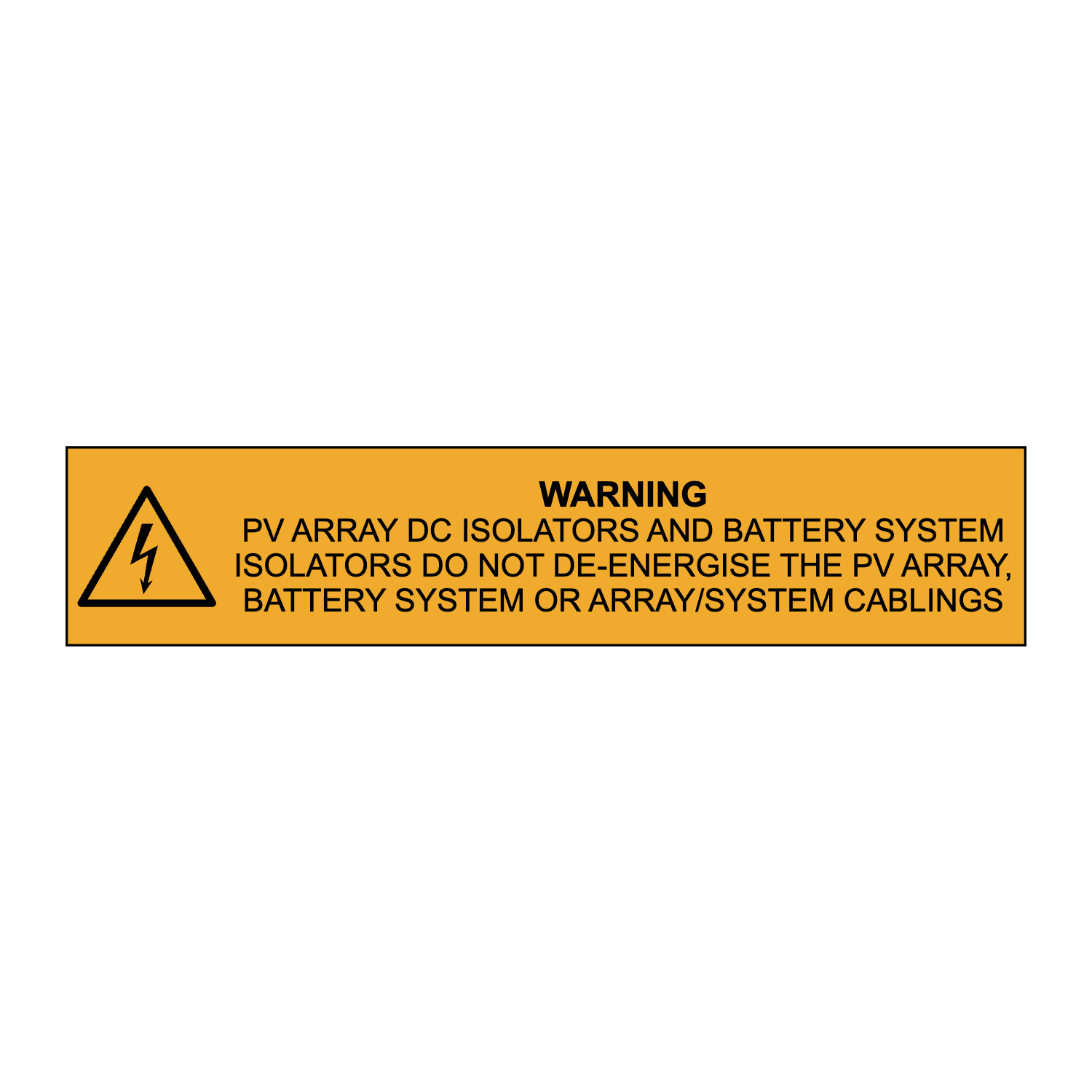
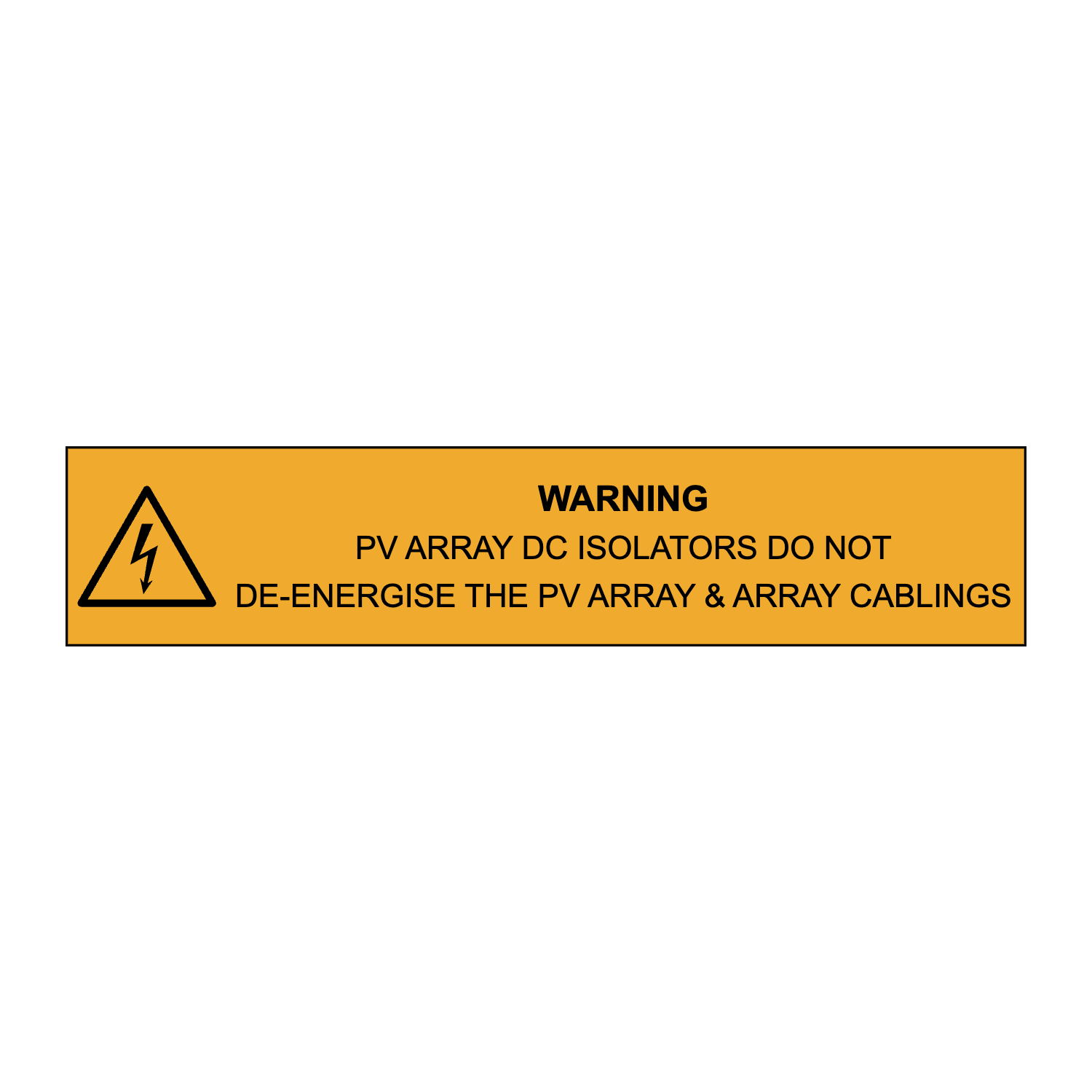
Most switchboard plates in this range are 18x18mm, which suits the face of a standard main switch or isolator without crowding adjacent devices. Longer wording — alternative supply circuits, multiple-supply warnings — goes onto strip plates instead, so the text stays large enough to read rather than shrinking to fit a square.
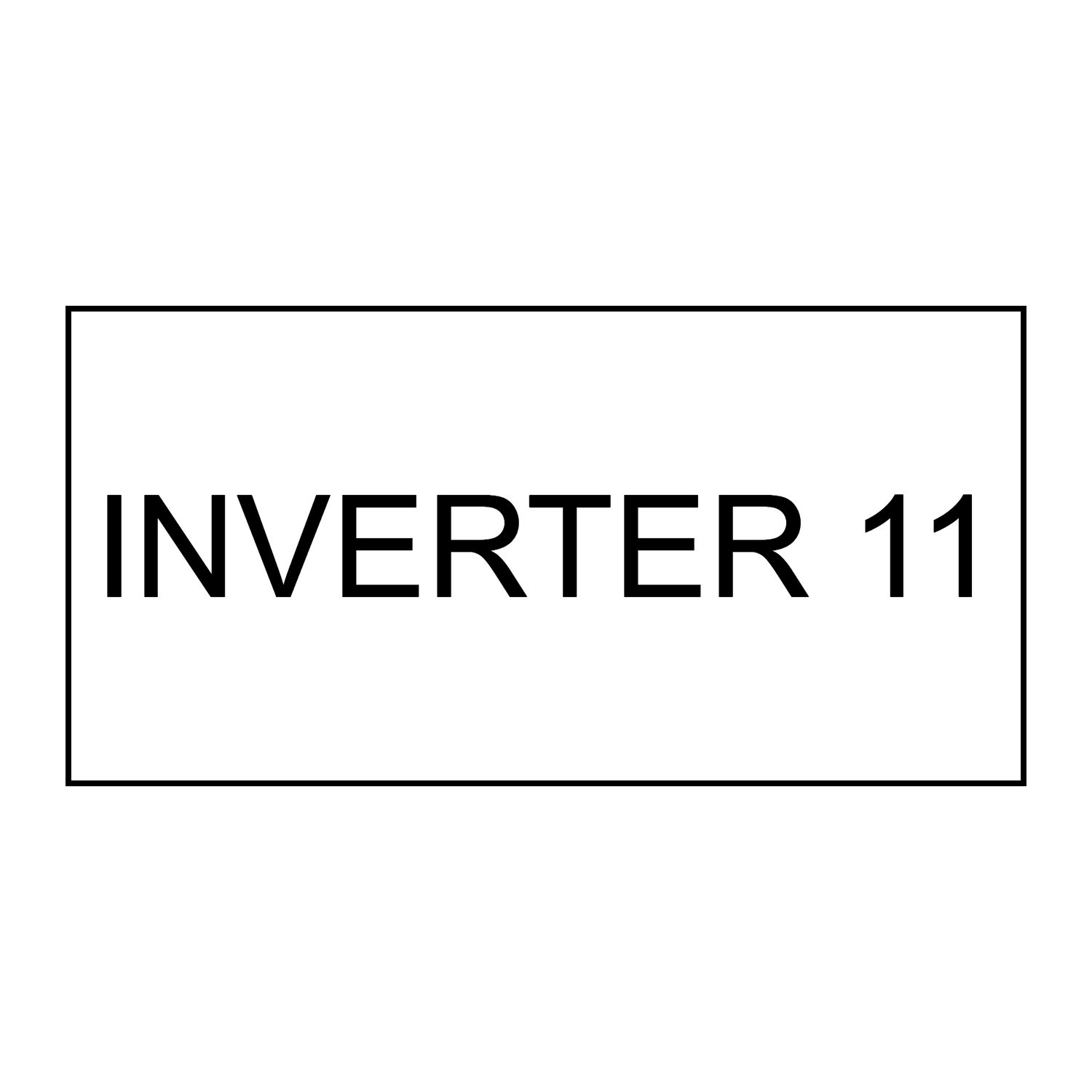
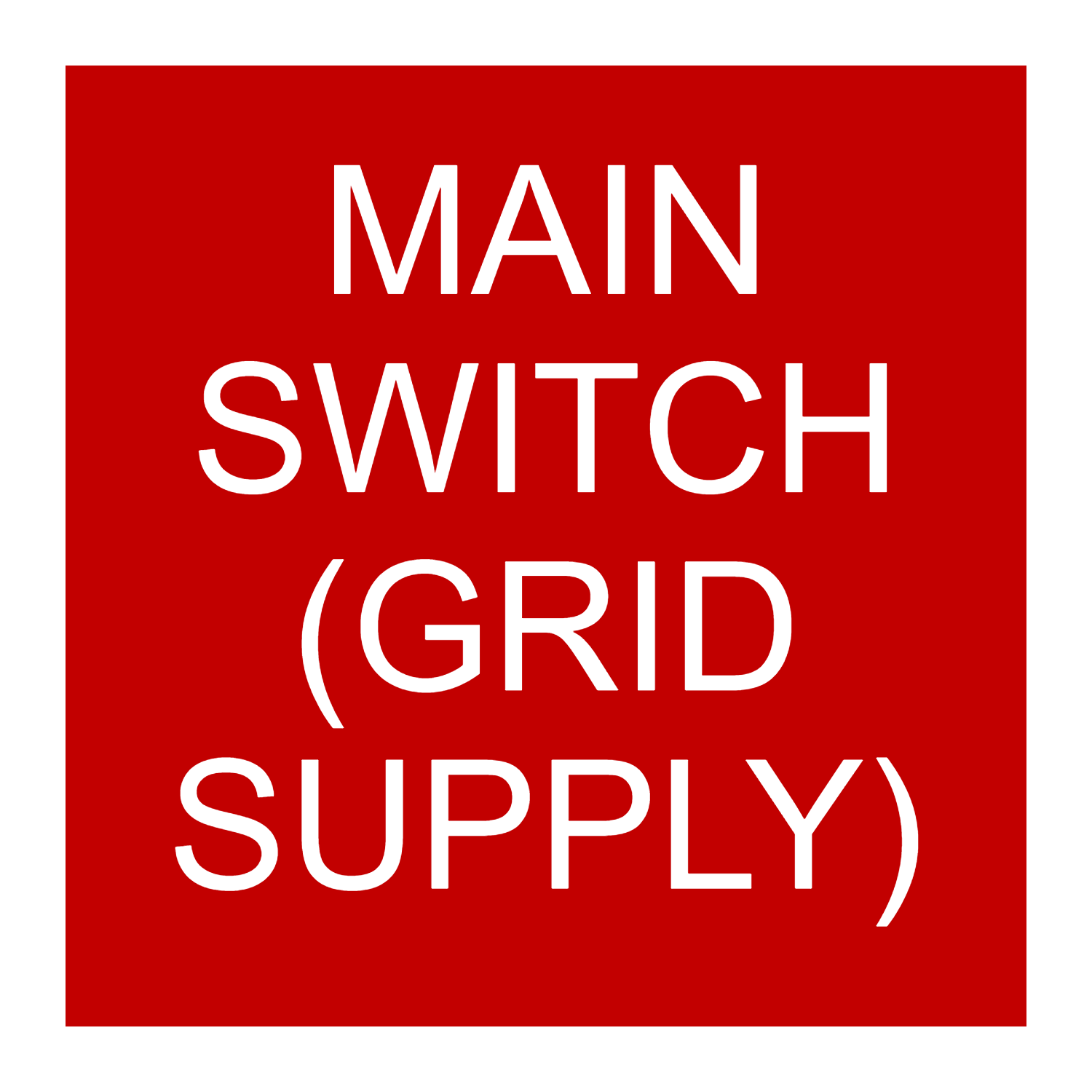
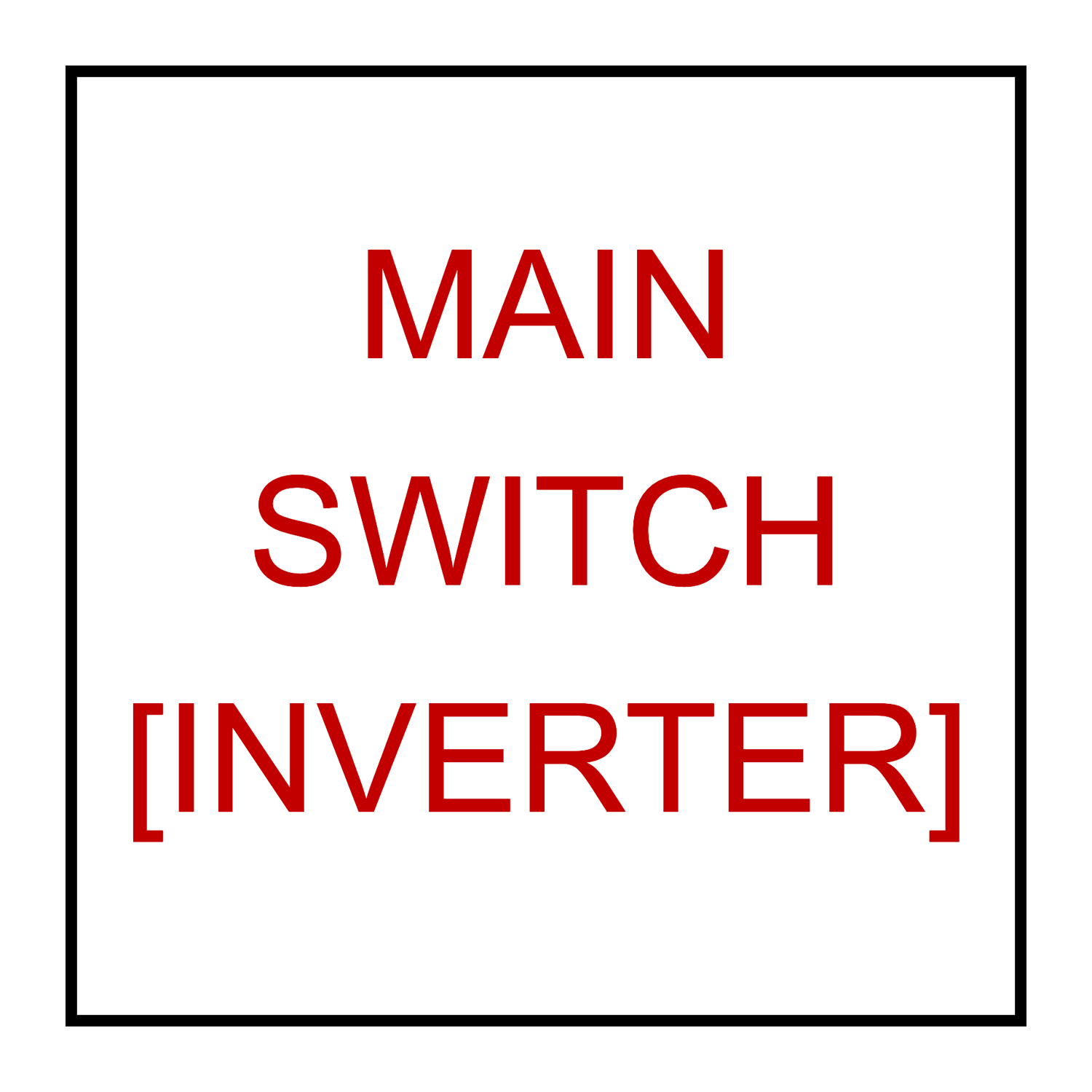
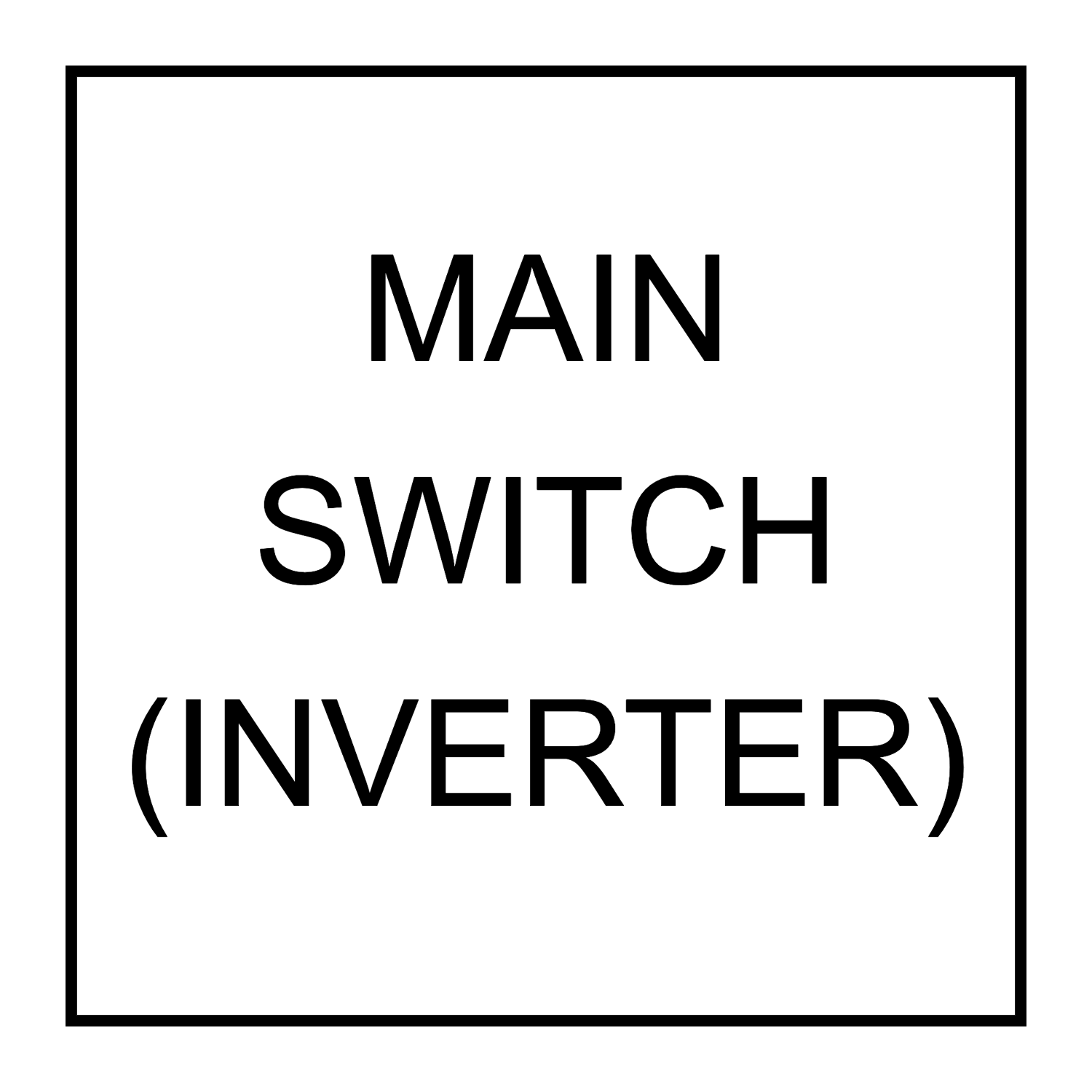
Where two labels describe genuinely different things, use two labels. Main Switch (Grid) and Main Switch (Inverter) exist as separate plates because a single Main Switch plate on a board with two supplies is the exact ambiguity the labelling is there to remove.
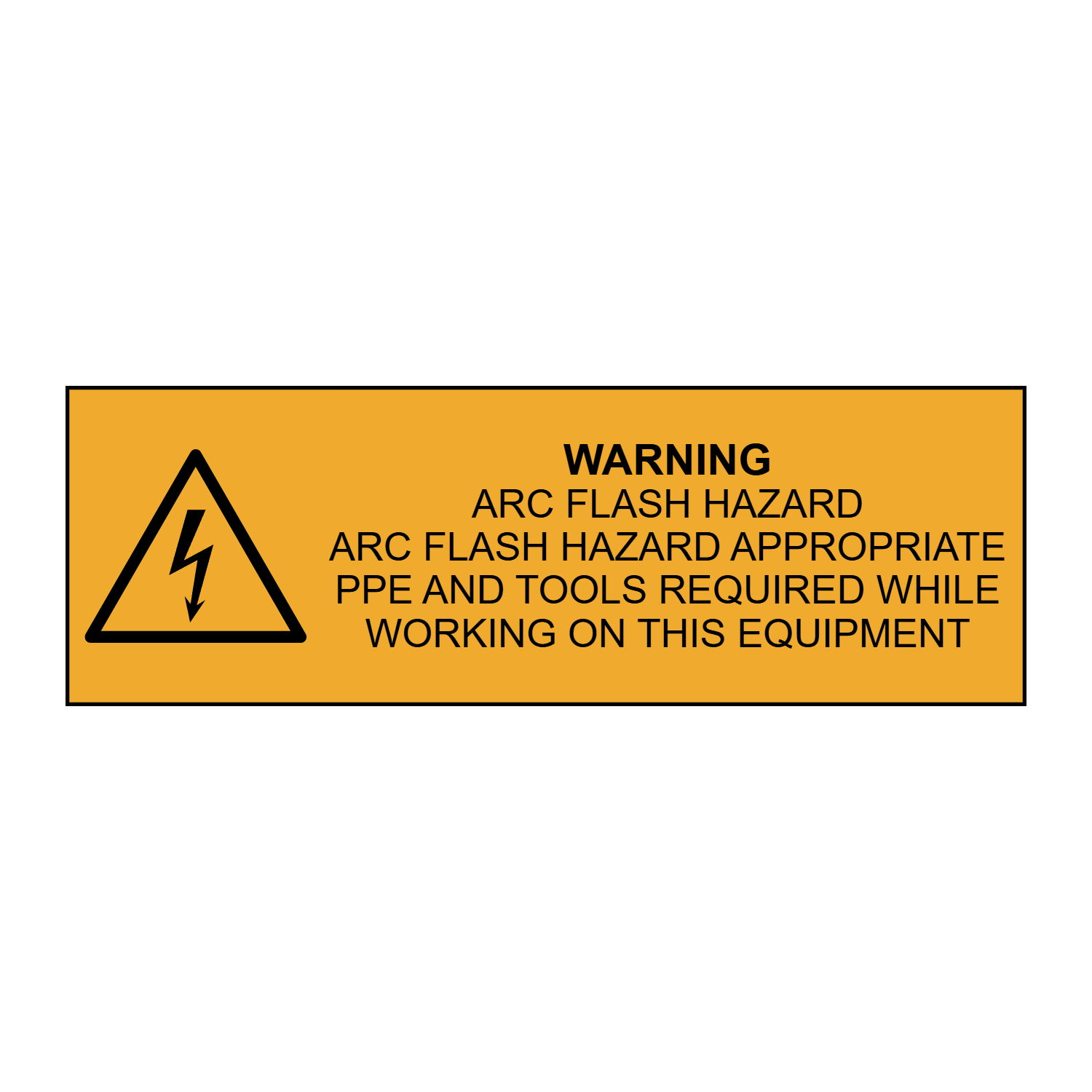
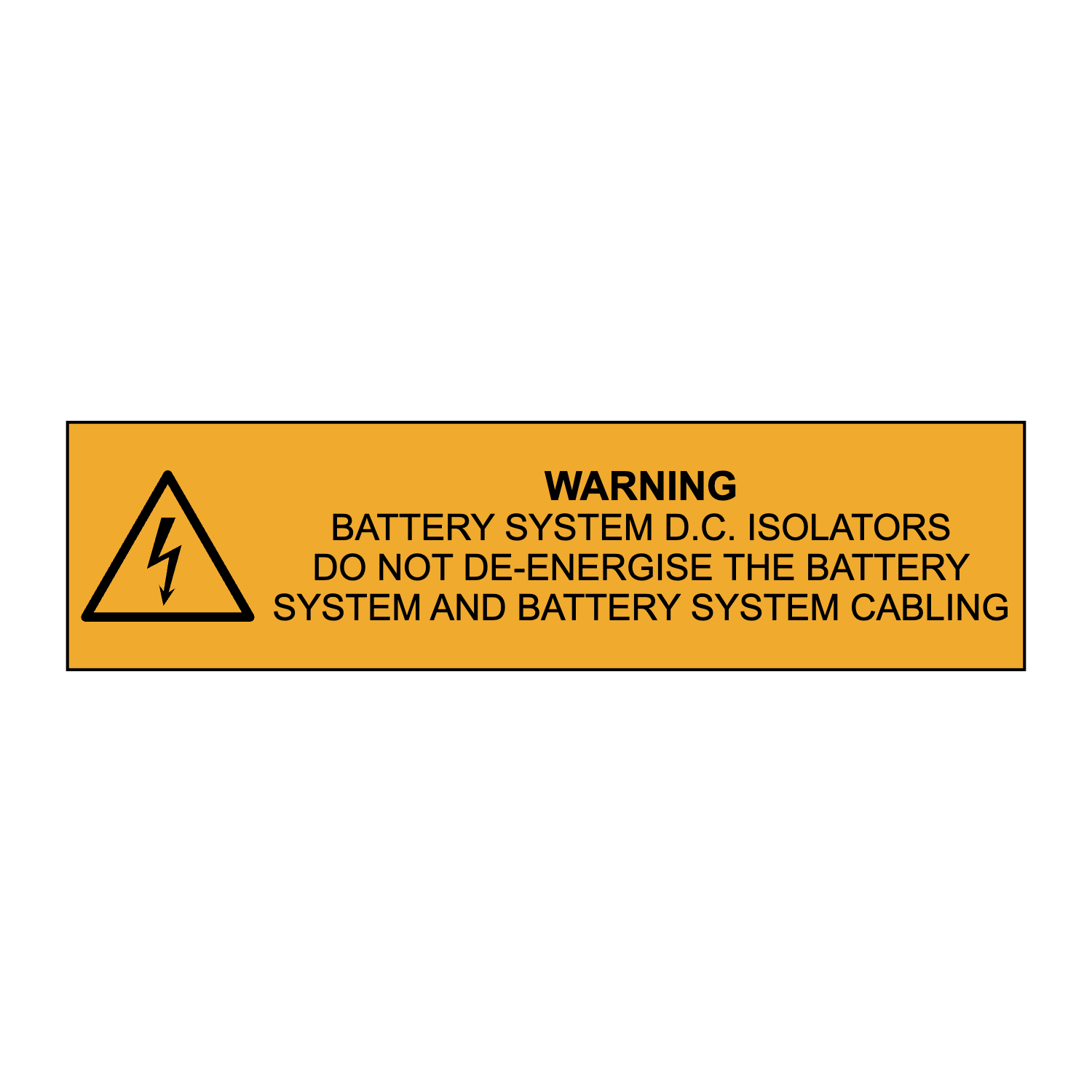
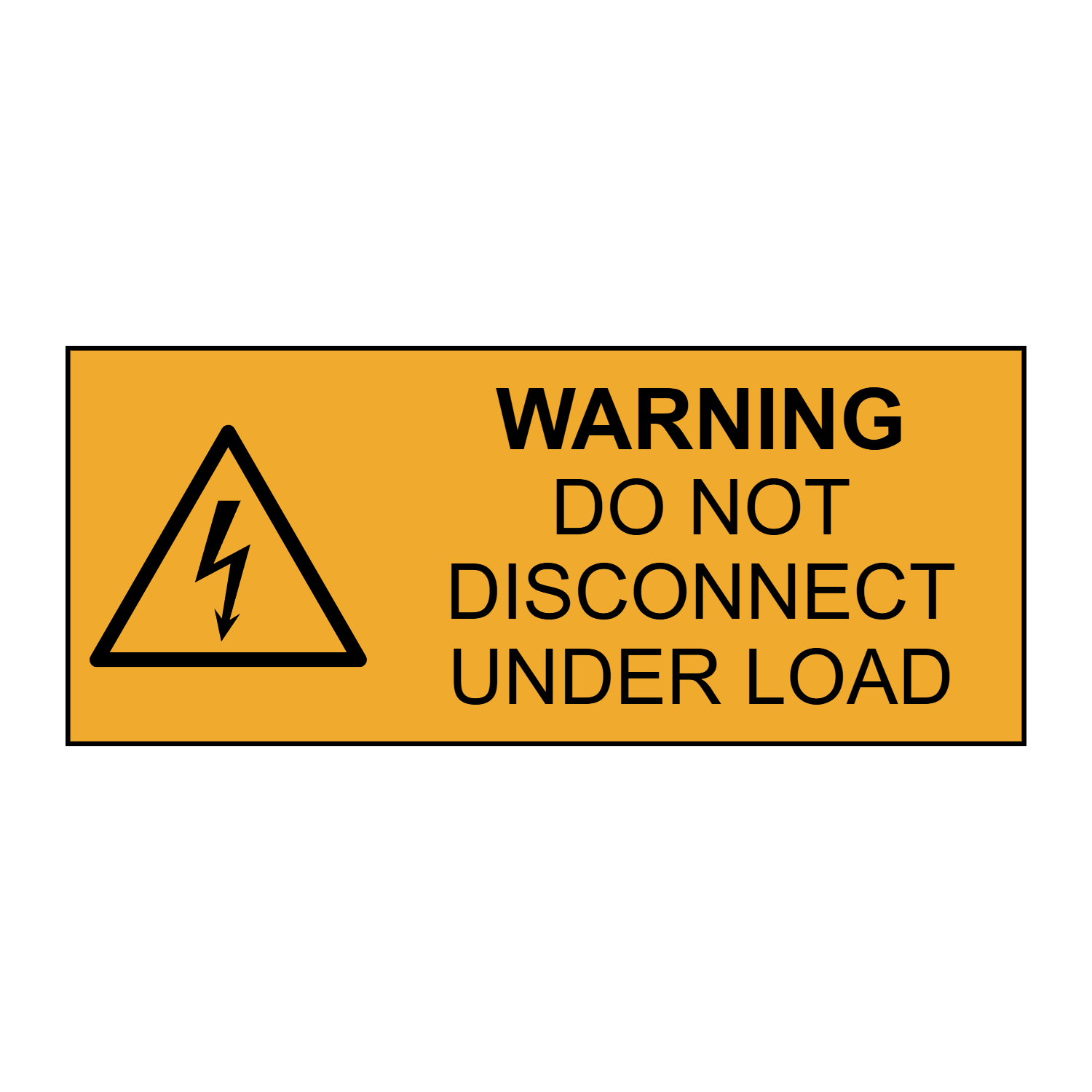
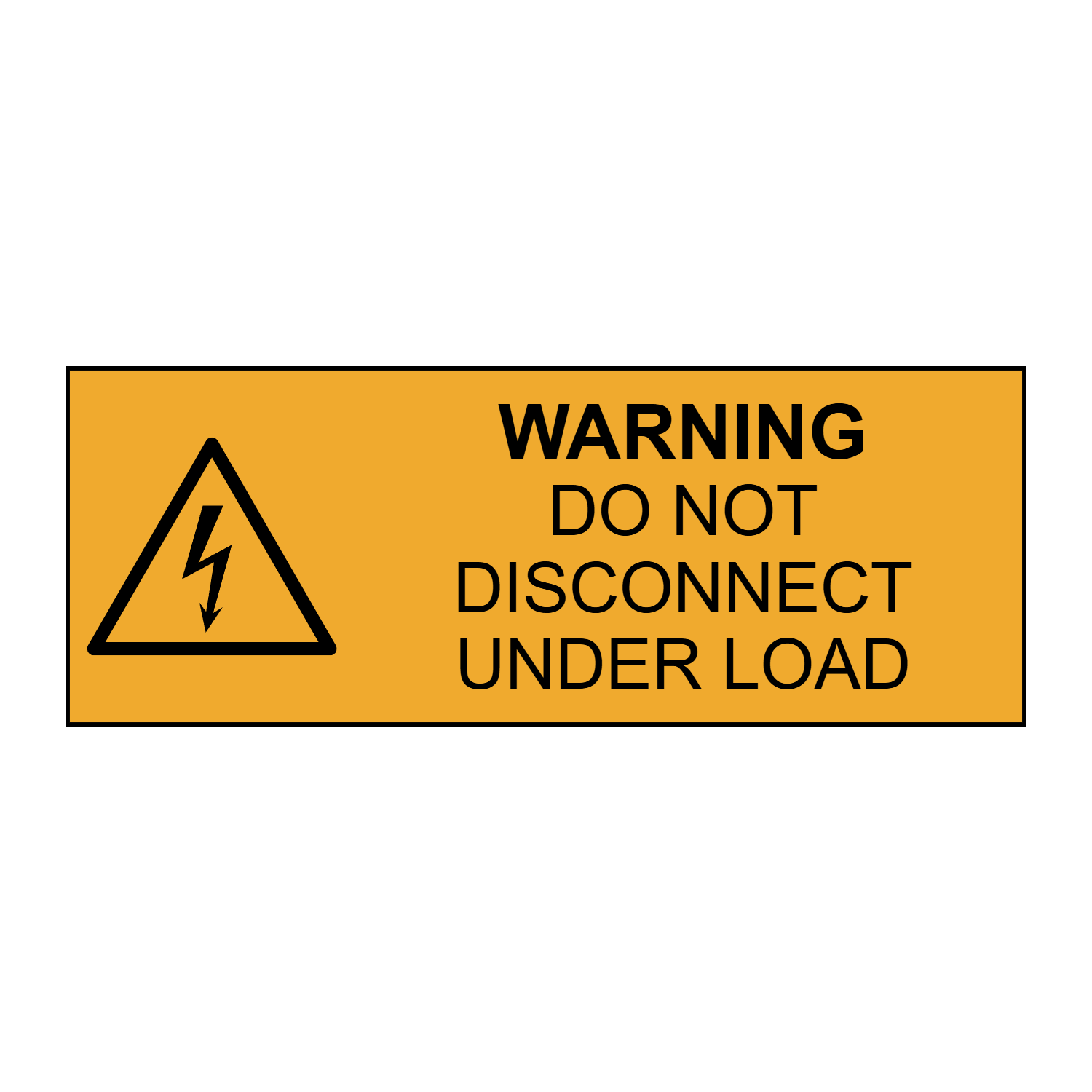
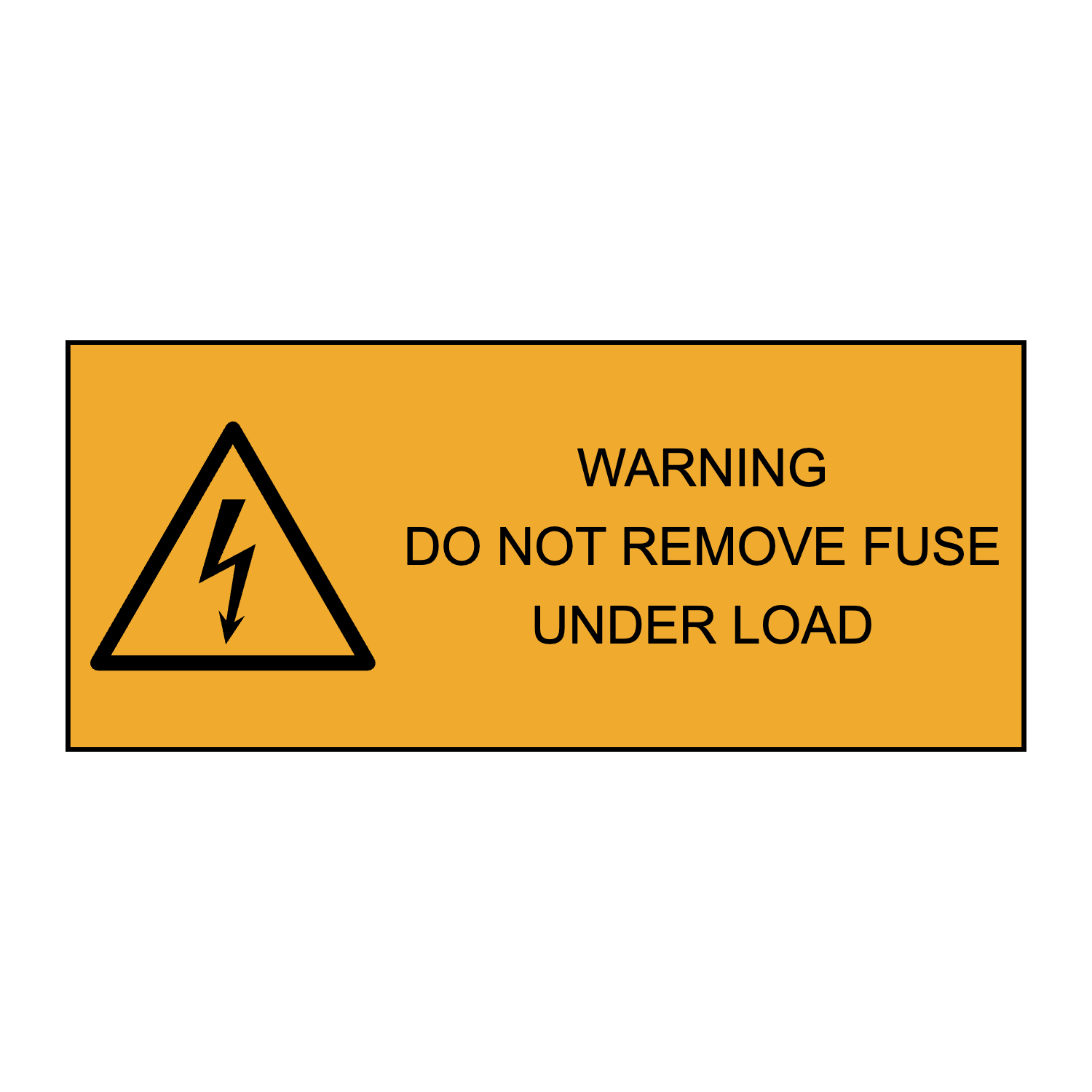
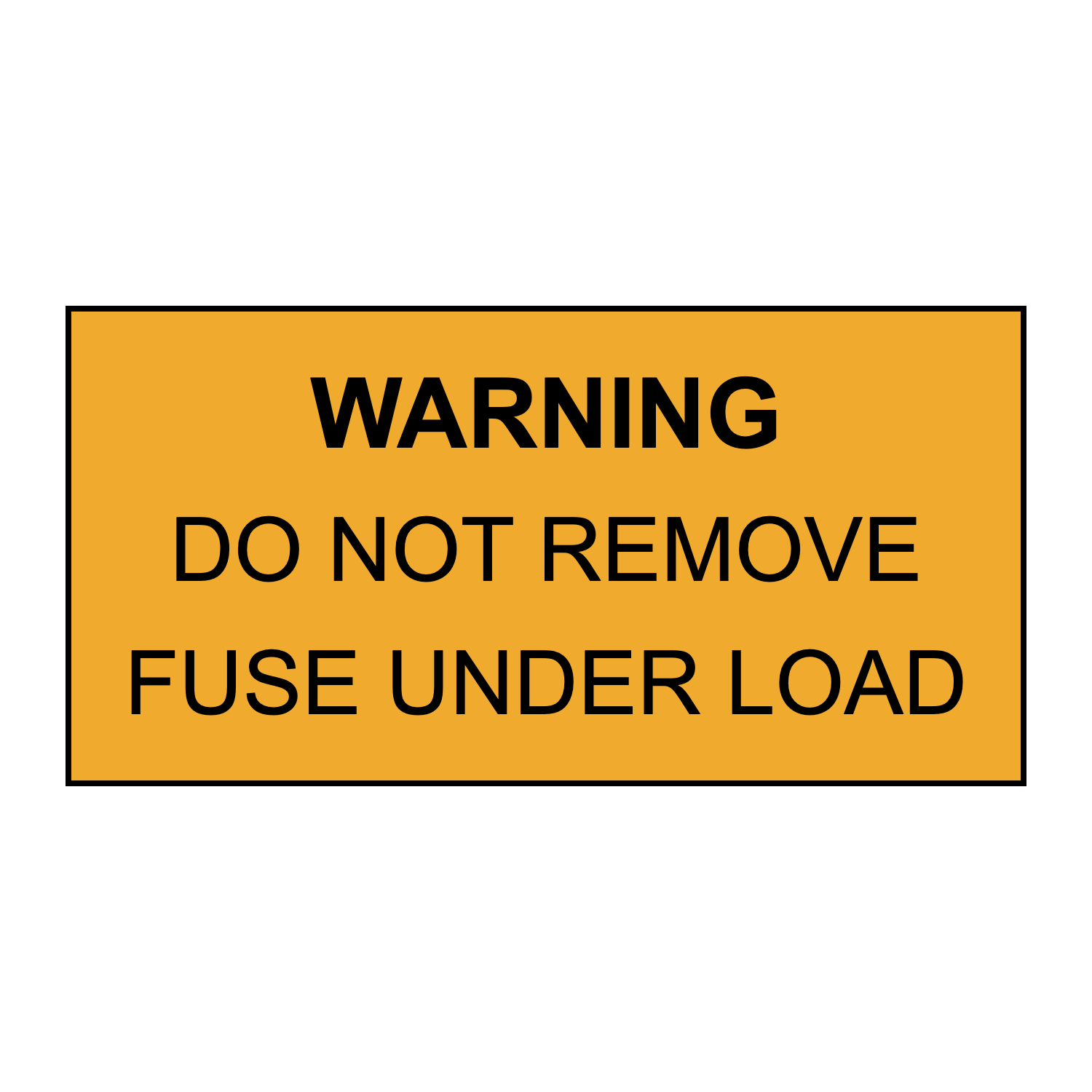
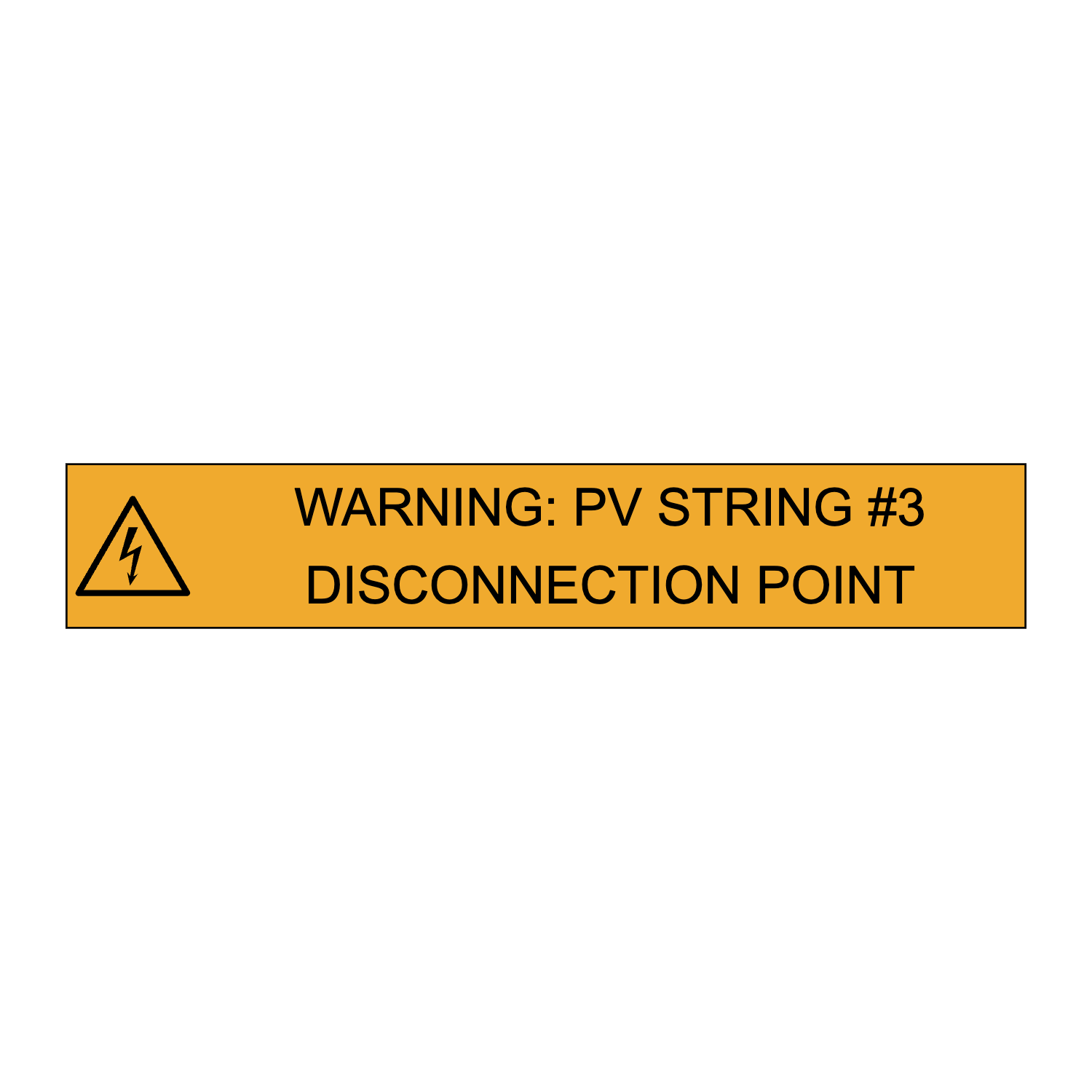
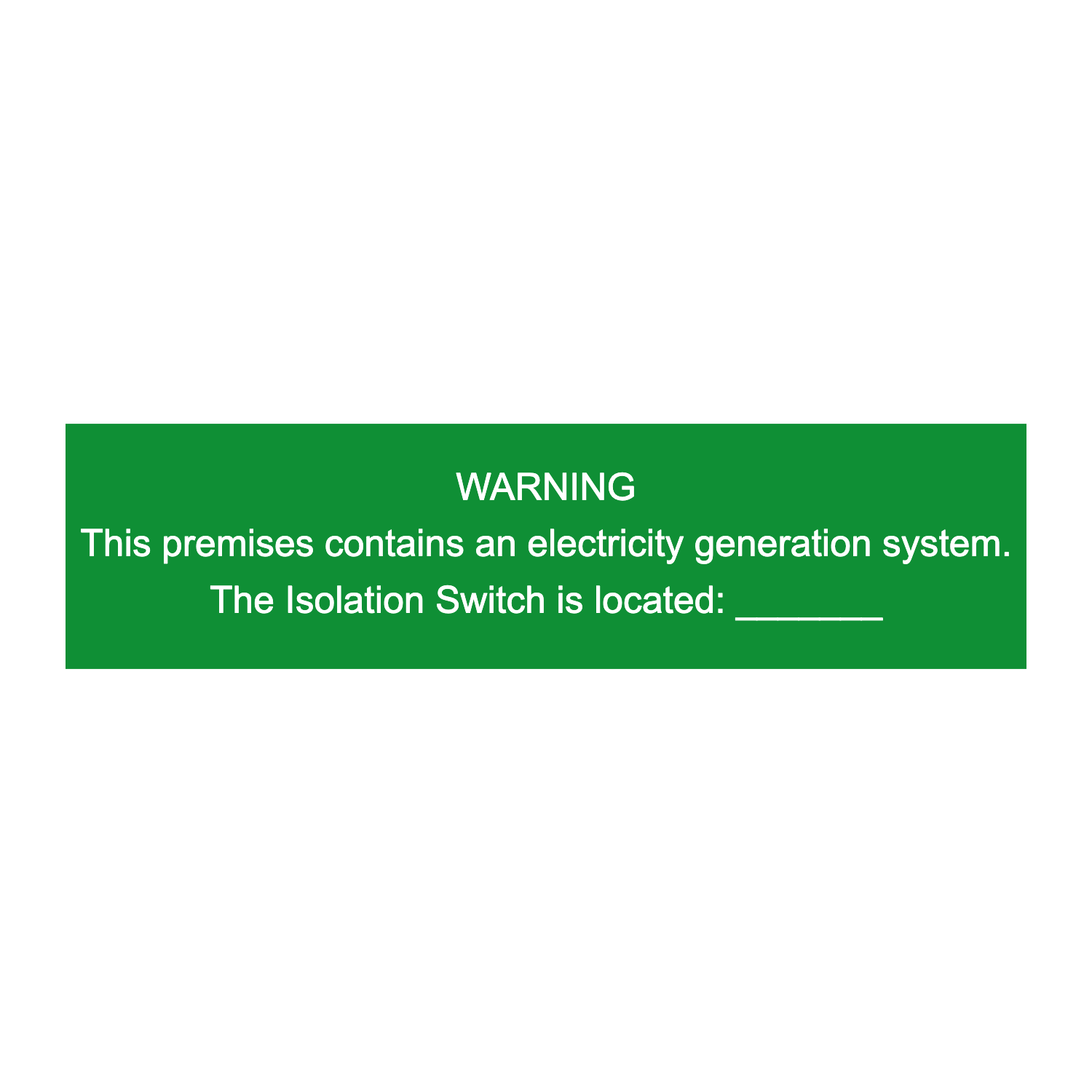
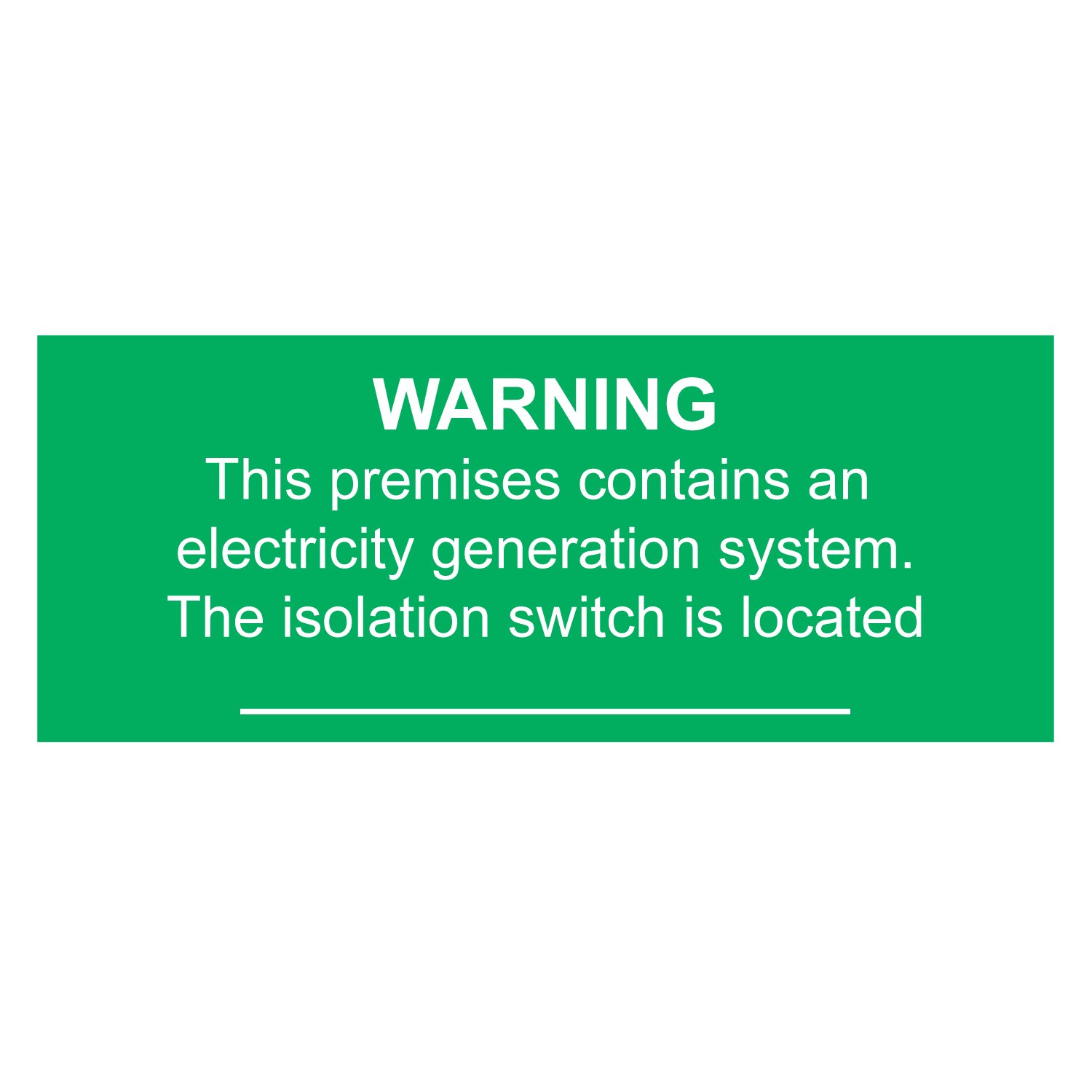
Warning plates for boards fed from multiple supplies are sized larger and positioned to be seen on approach, not on the device.
Material and environment
Laser-engraved Traffolyte throughout. On a switchboard it is the only sensible choice: engraved text has no printed layer to abrade, it tolerates being wiped with a solvent-damp cloth, and it holds up to decades inside a sealed enclosure that gets hot in summer.
White plates with black text are the default for identification. Coloured backgrounds are reserved for the plates that carry a warning rather than a name, so colour on a board means something rather than being decoration.
We hold the same yellow across every alternative-supply and multiple-supply plate we make, and we do not change it between runs. Board work is incremental — a plate added this year sits beside one added three years ago — so a plate you reorder matches what is already on the board instead of turning up a shade out and looking like a patch job.
For an outdoor or roadside enclosure, ask about a reflective face — it costs little and makes the difference between a plate that can be read by torchlight and one that cannot.