
Solar Labels
Engraved and printed labels for rooftop and ground-mount solar installations — array and inverter isolators, string disconnection points, and the warning plates that go on and around the switchboard once a PV system is connected.
What engraved Traffolyte is, and when it isn't →
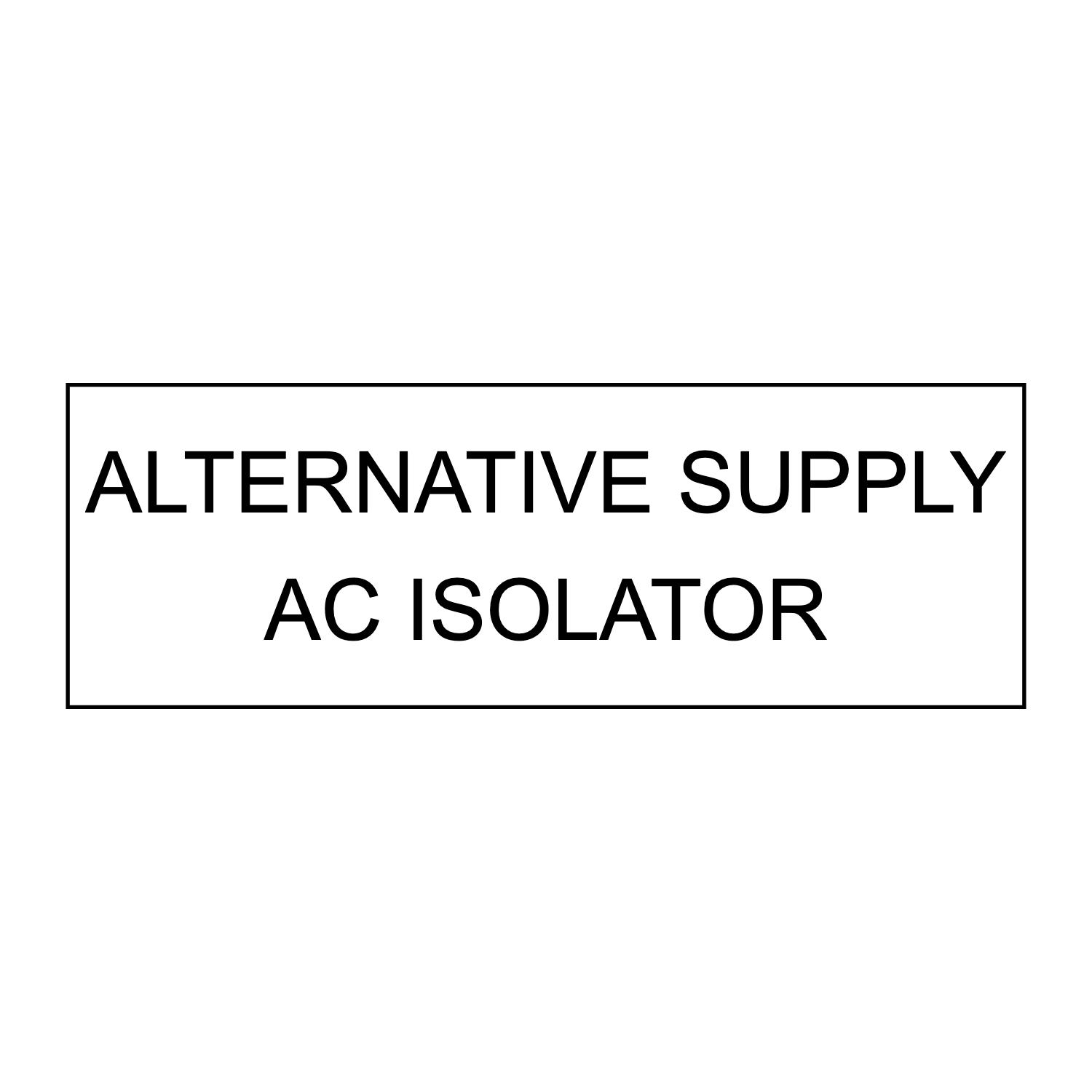
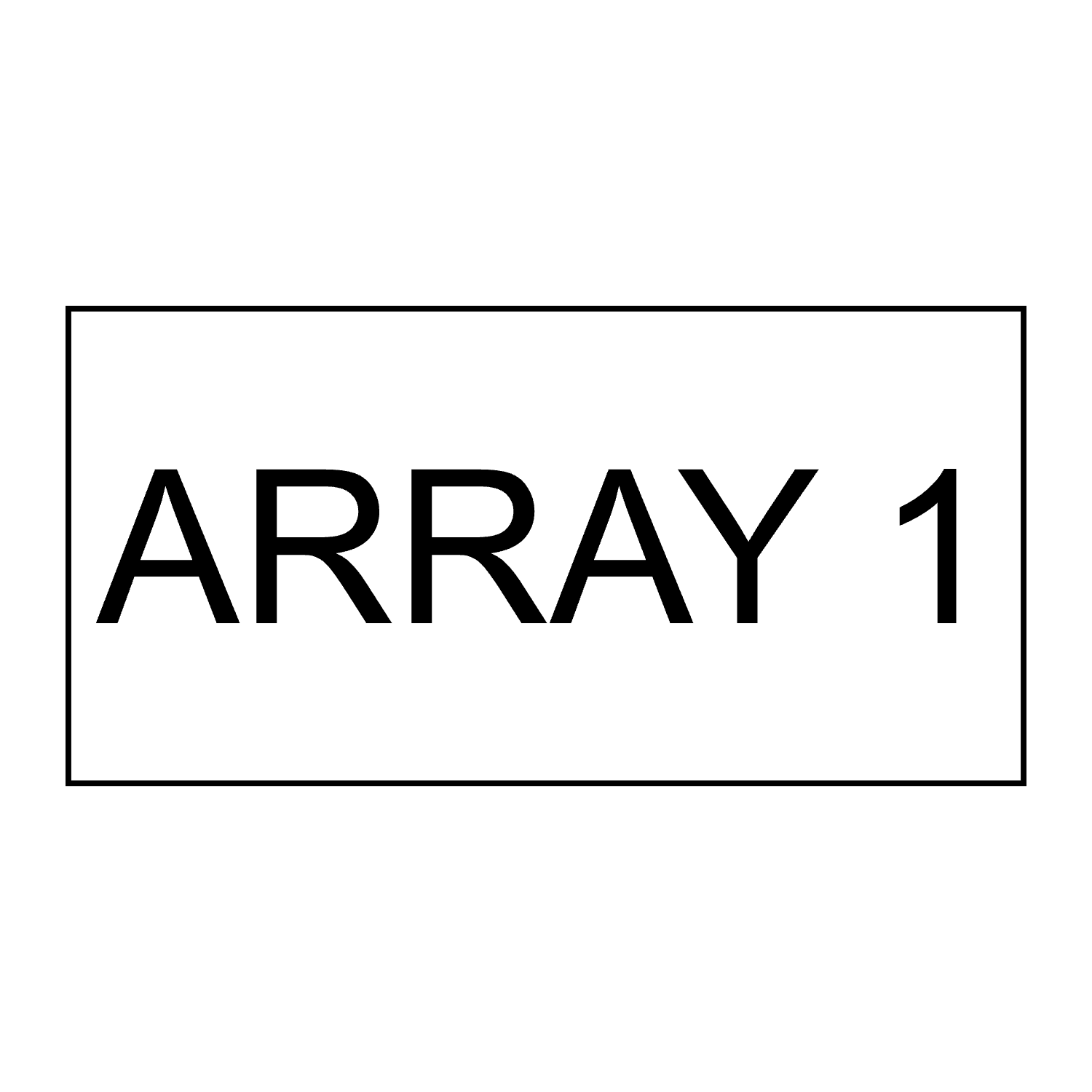
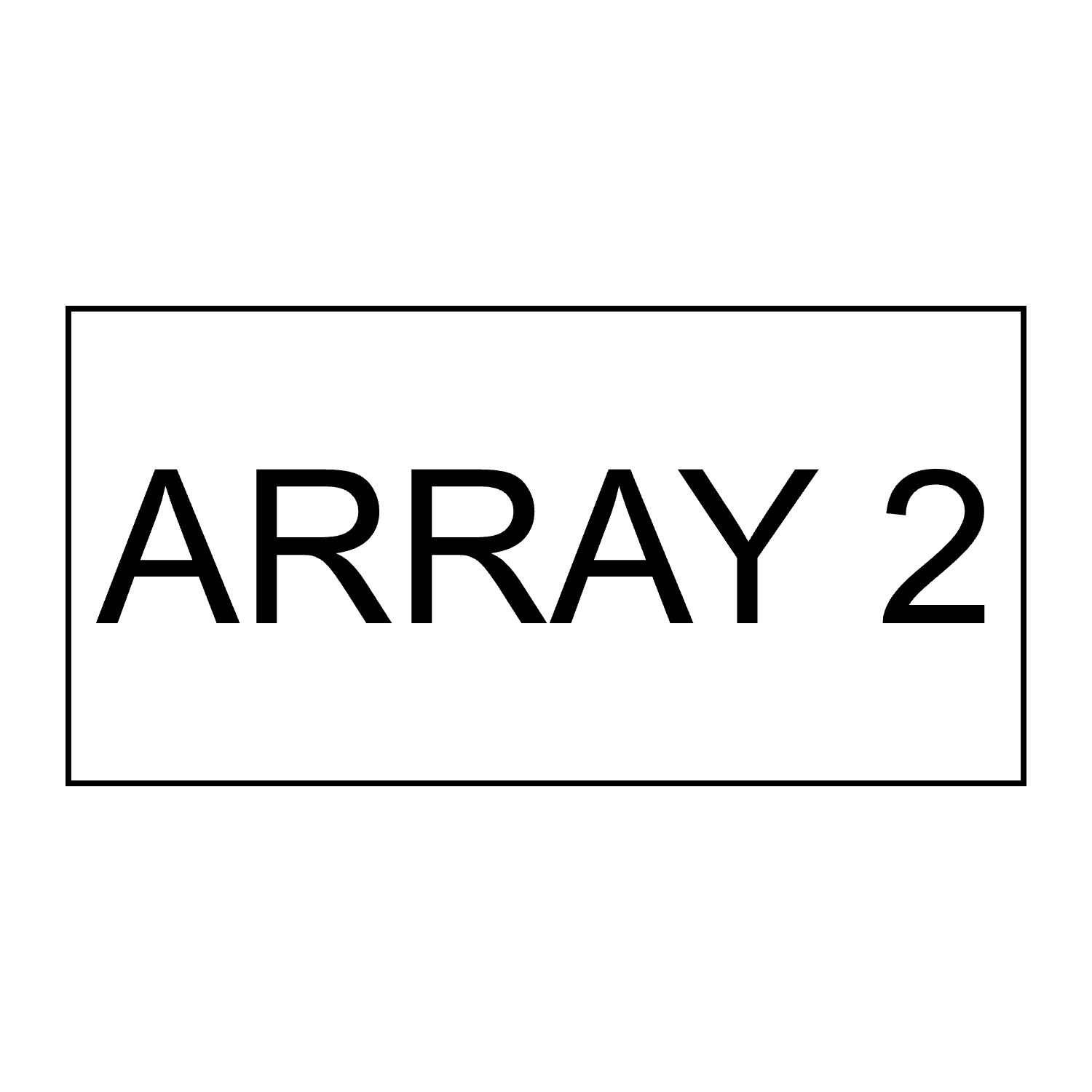
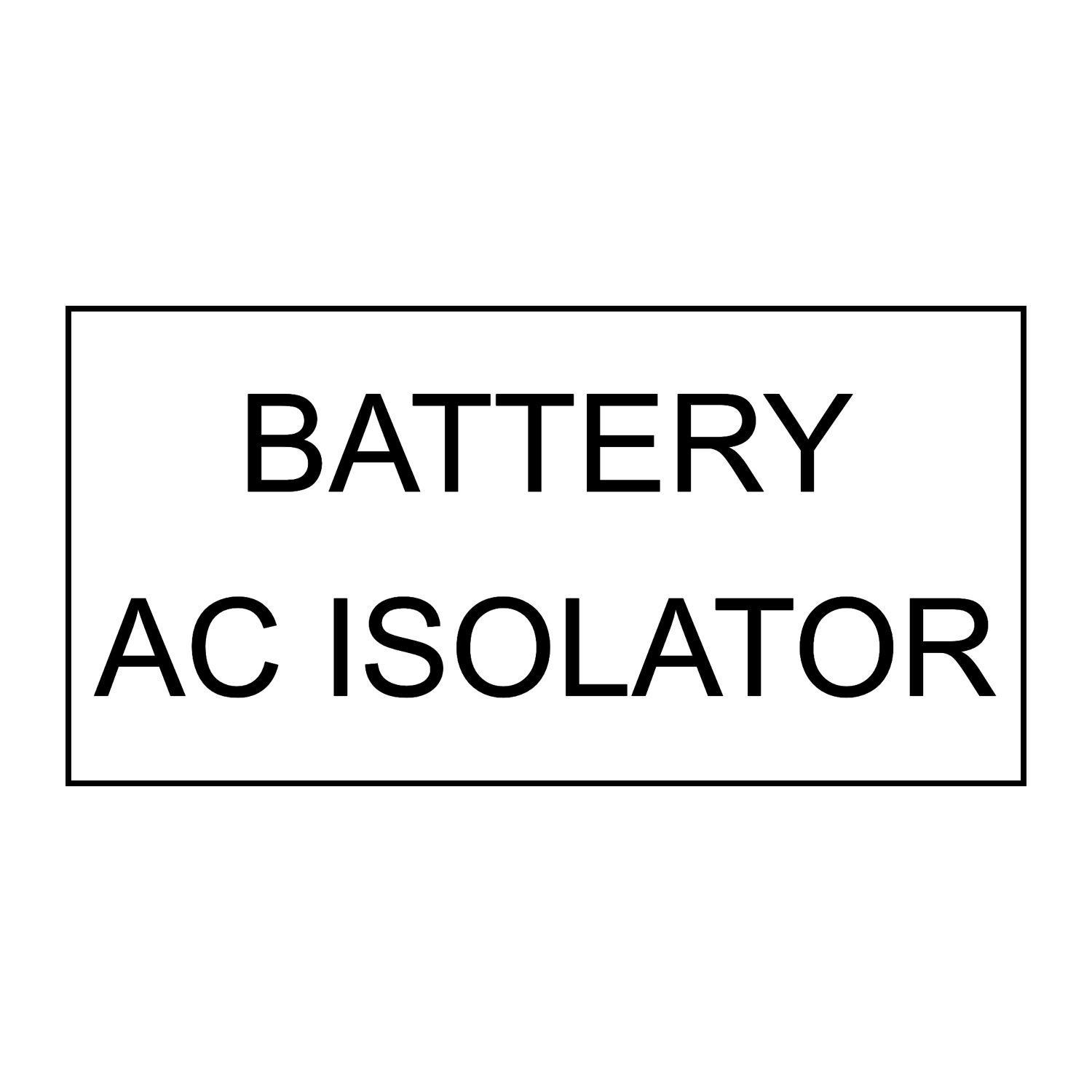
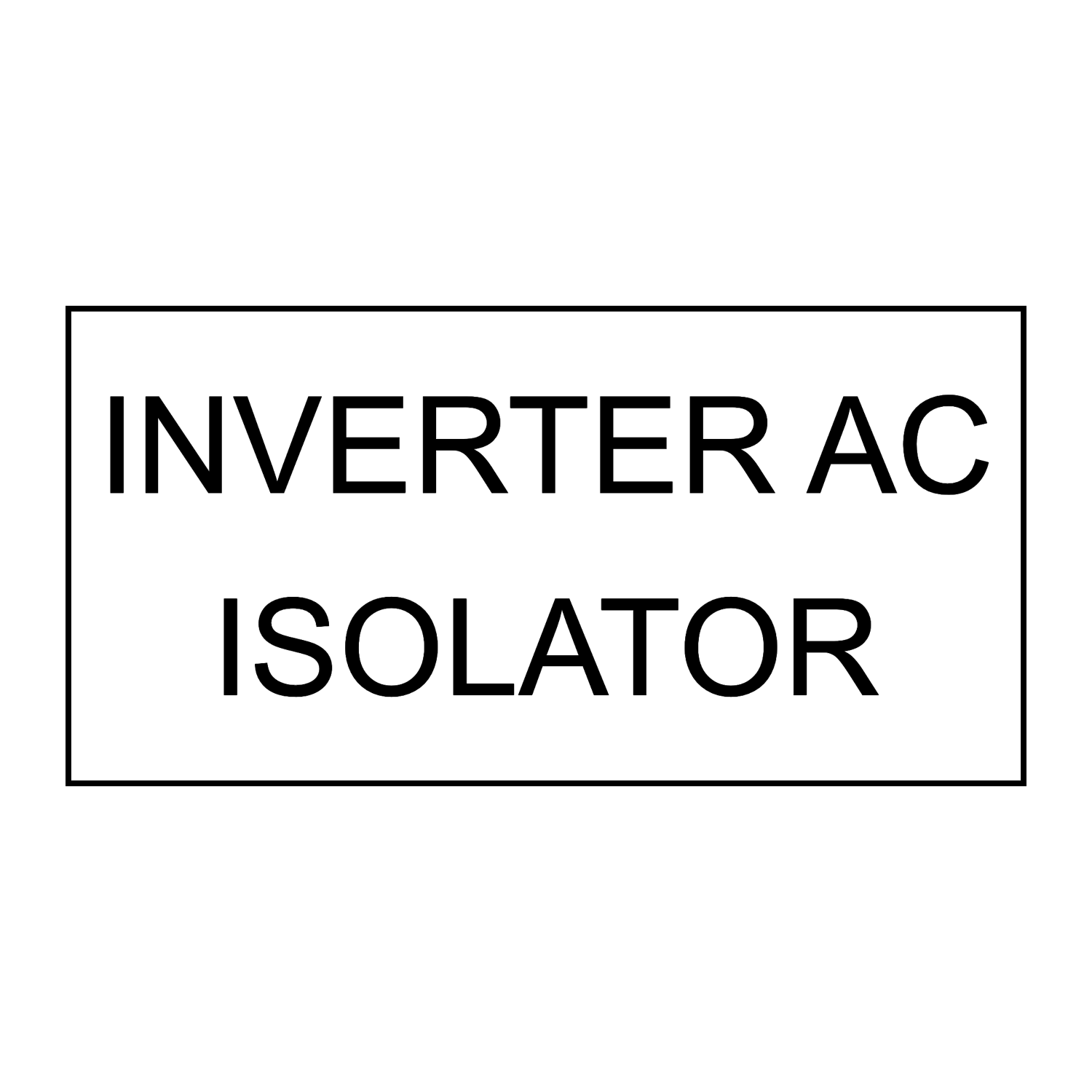
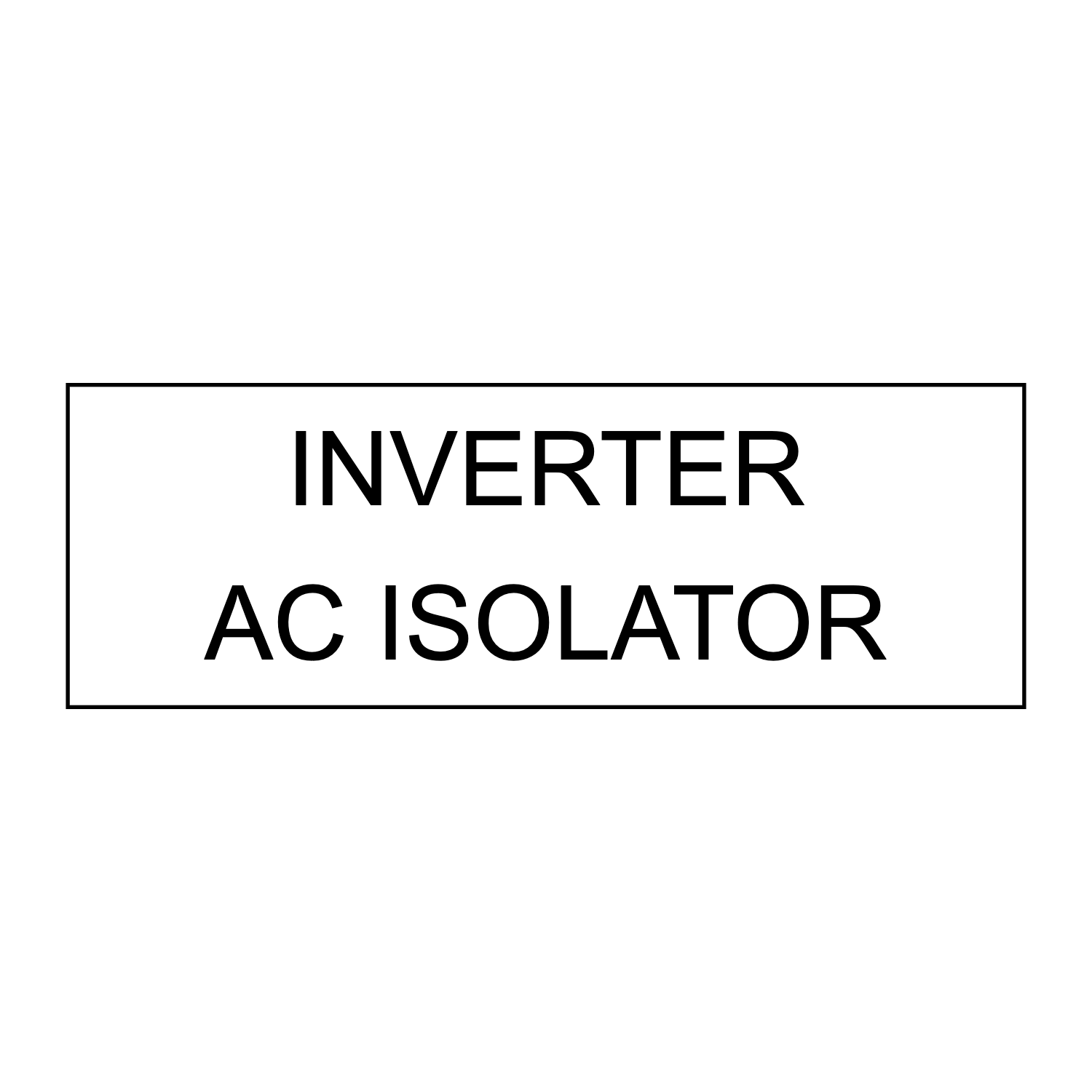

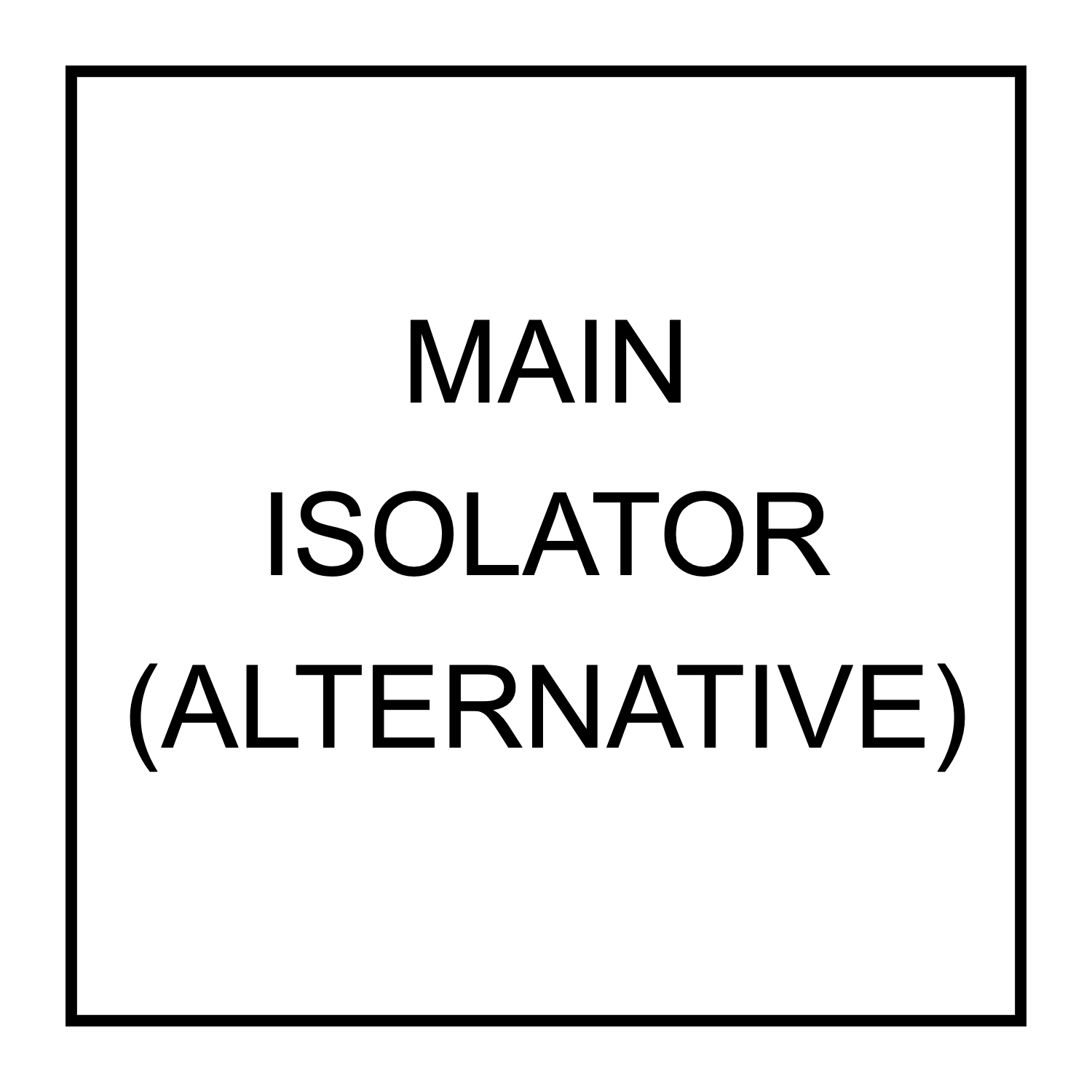
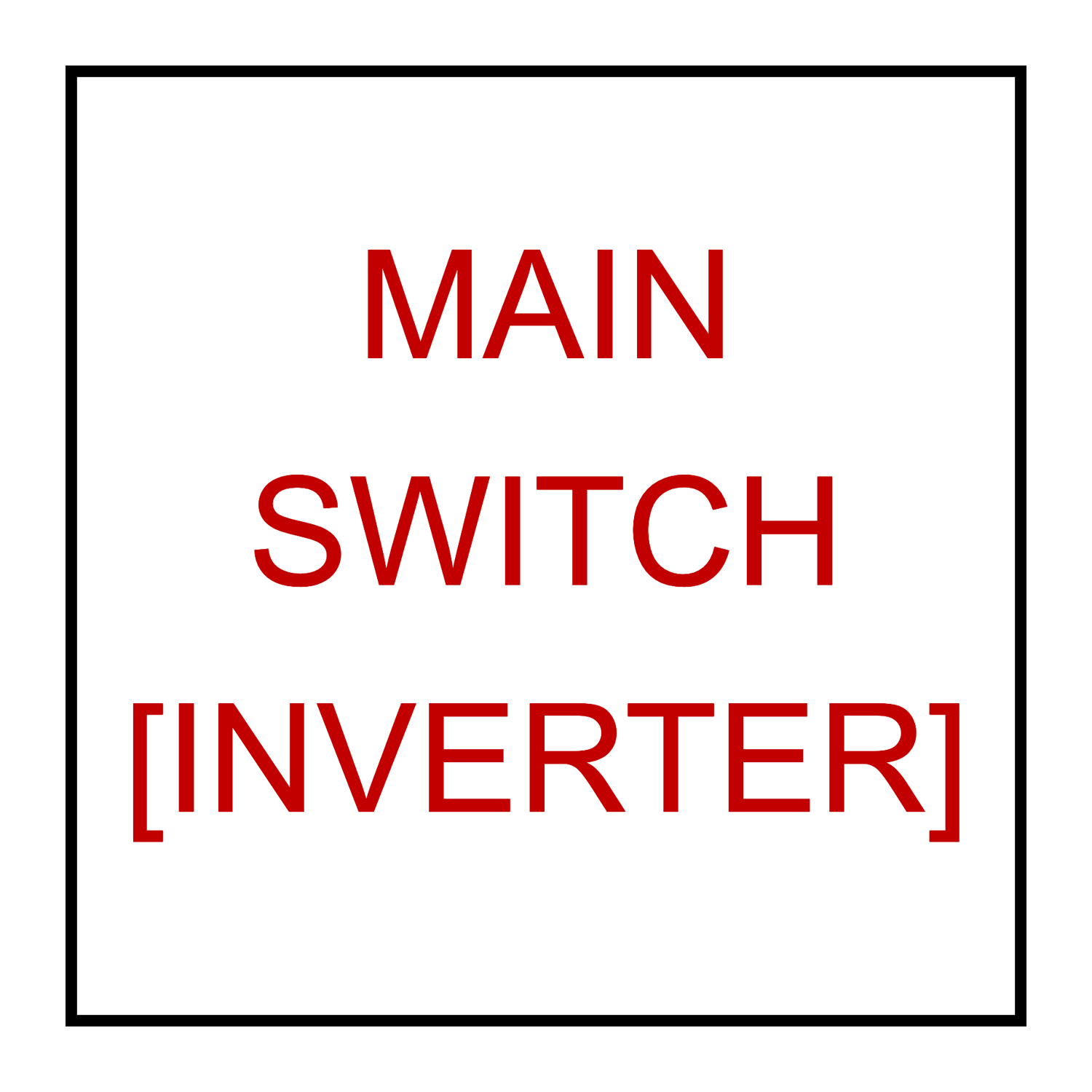
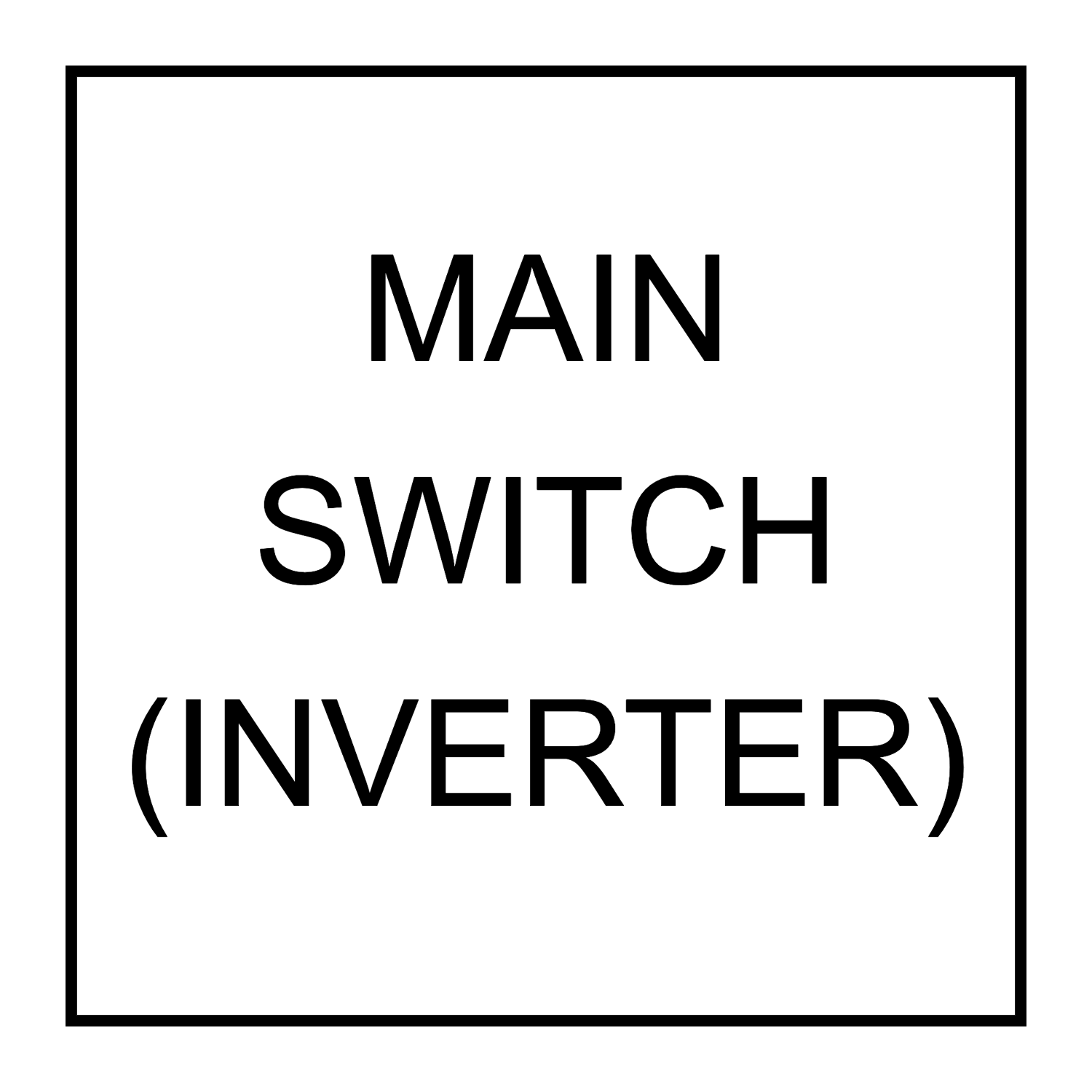
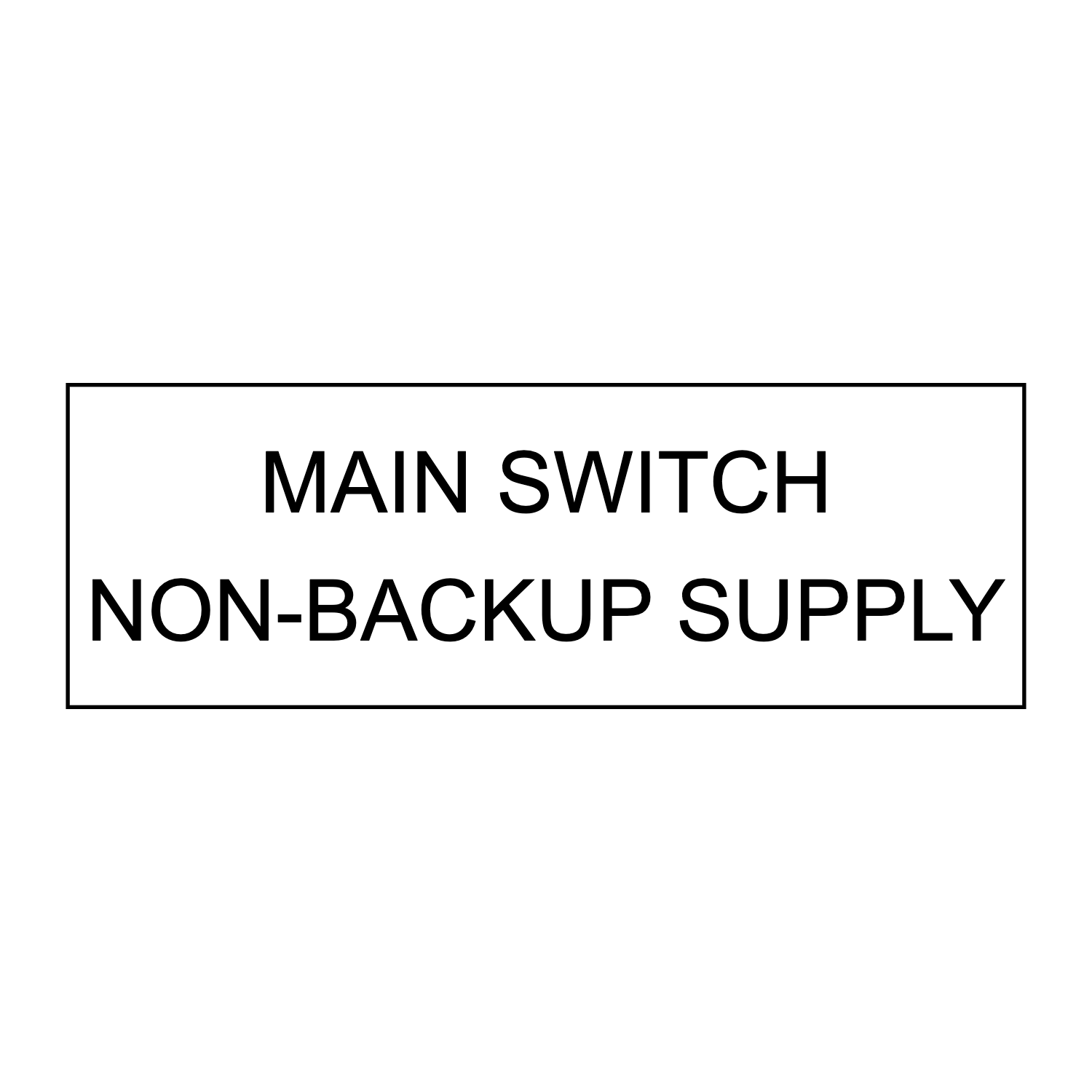
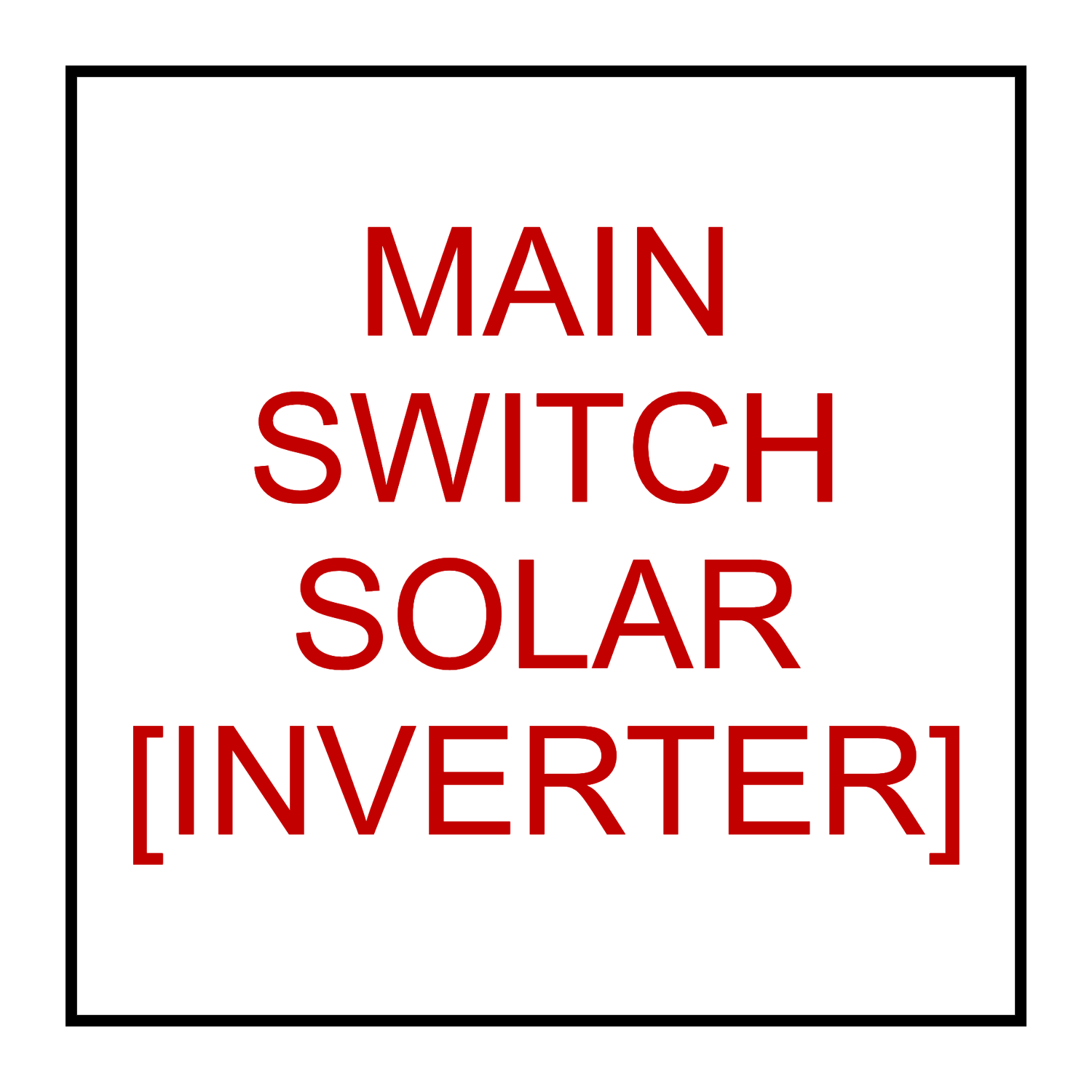
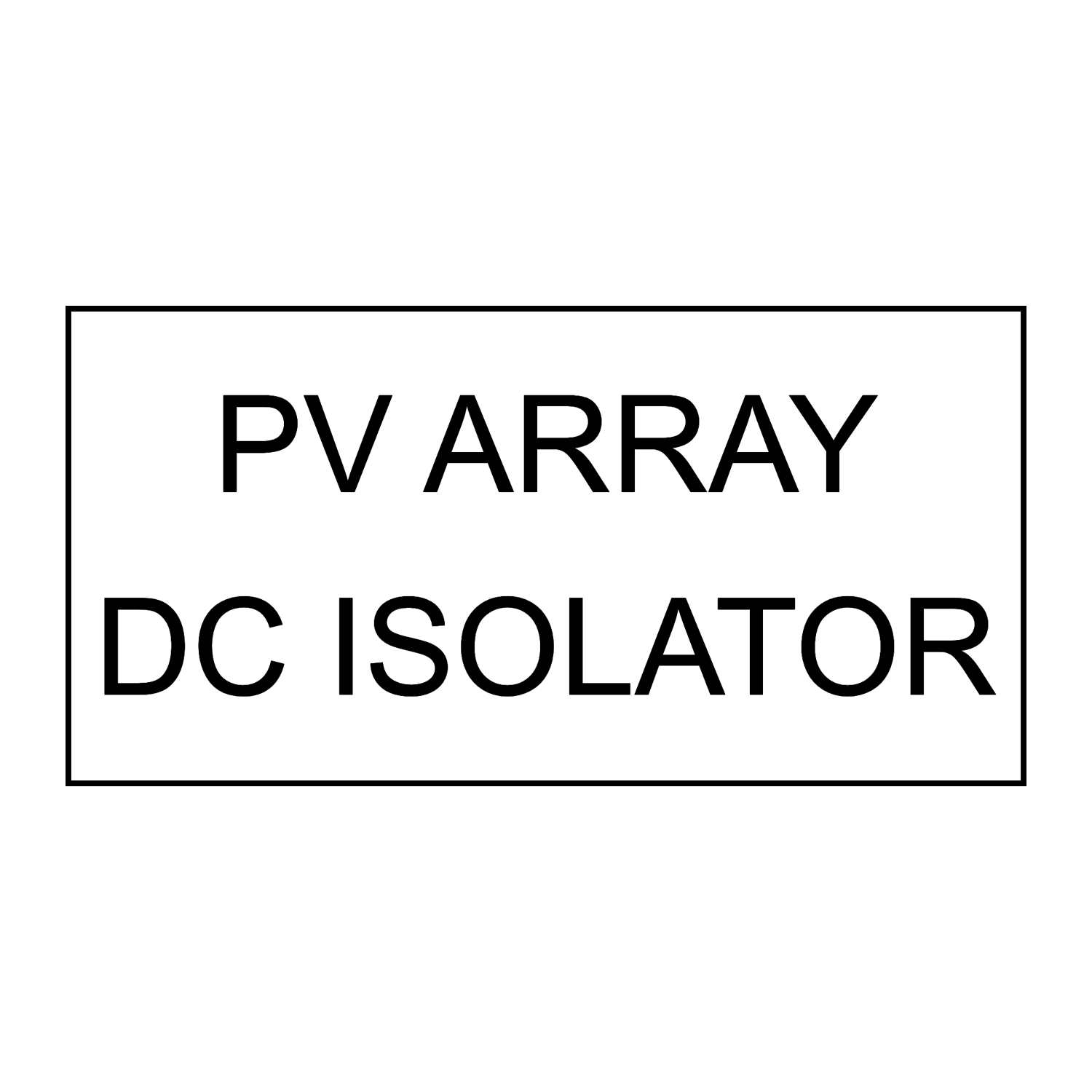


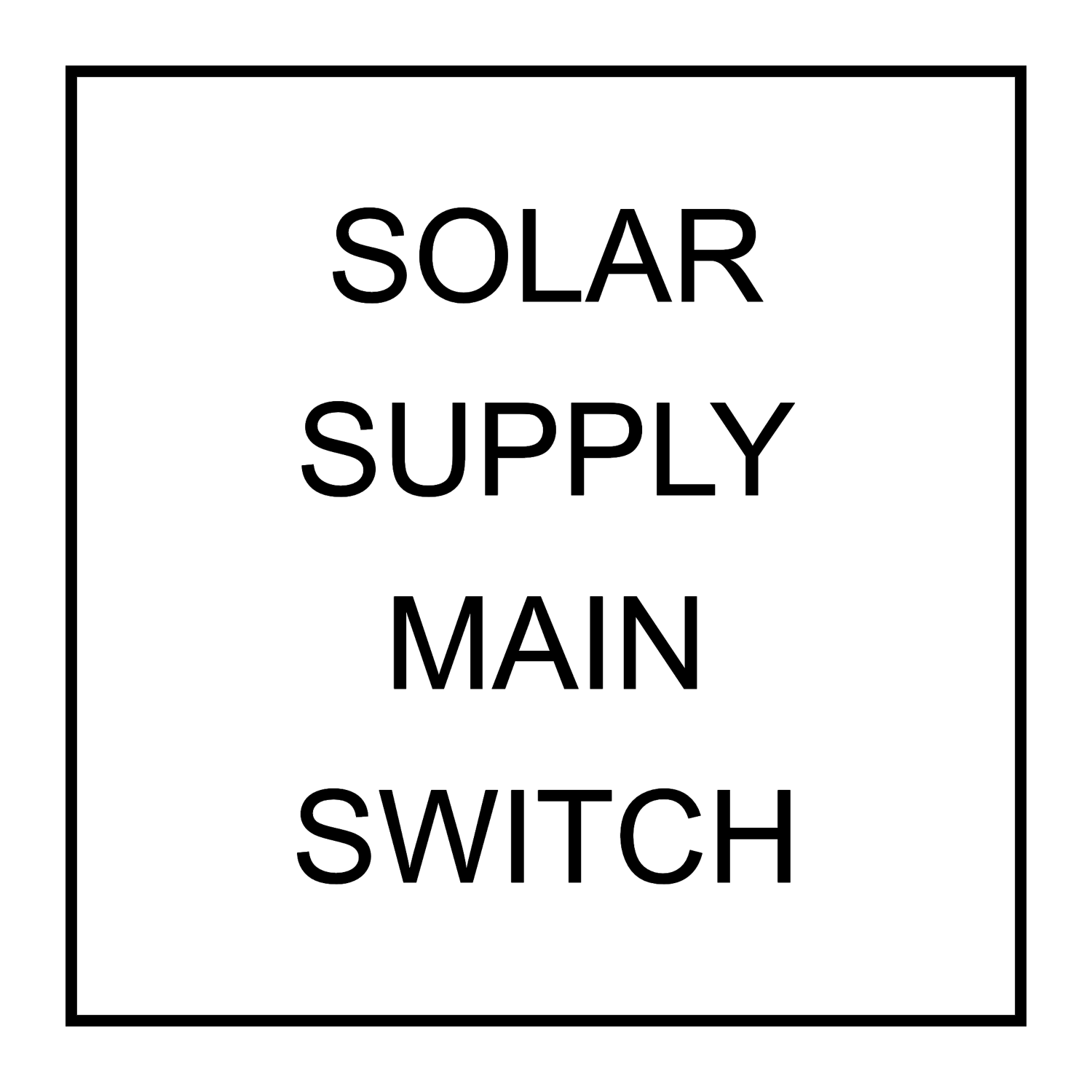
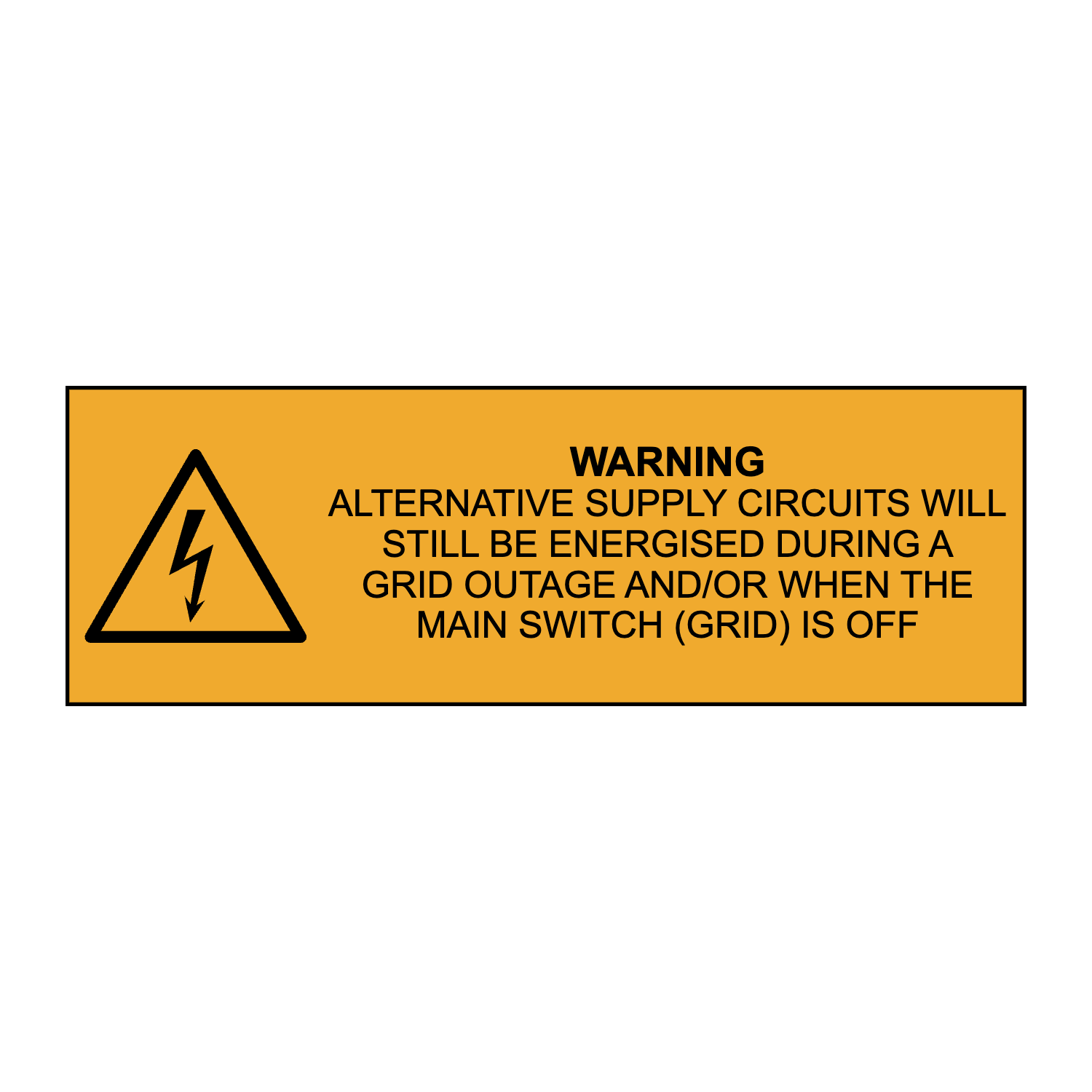
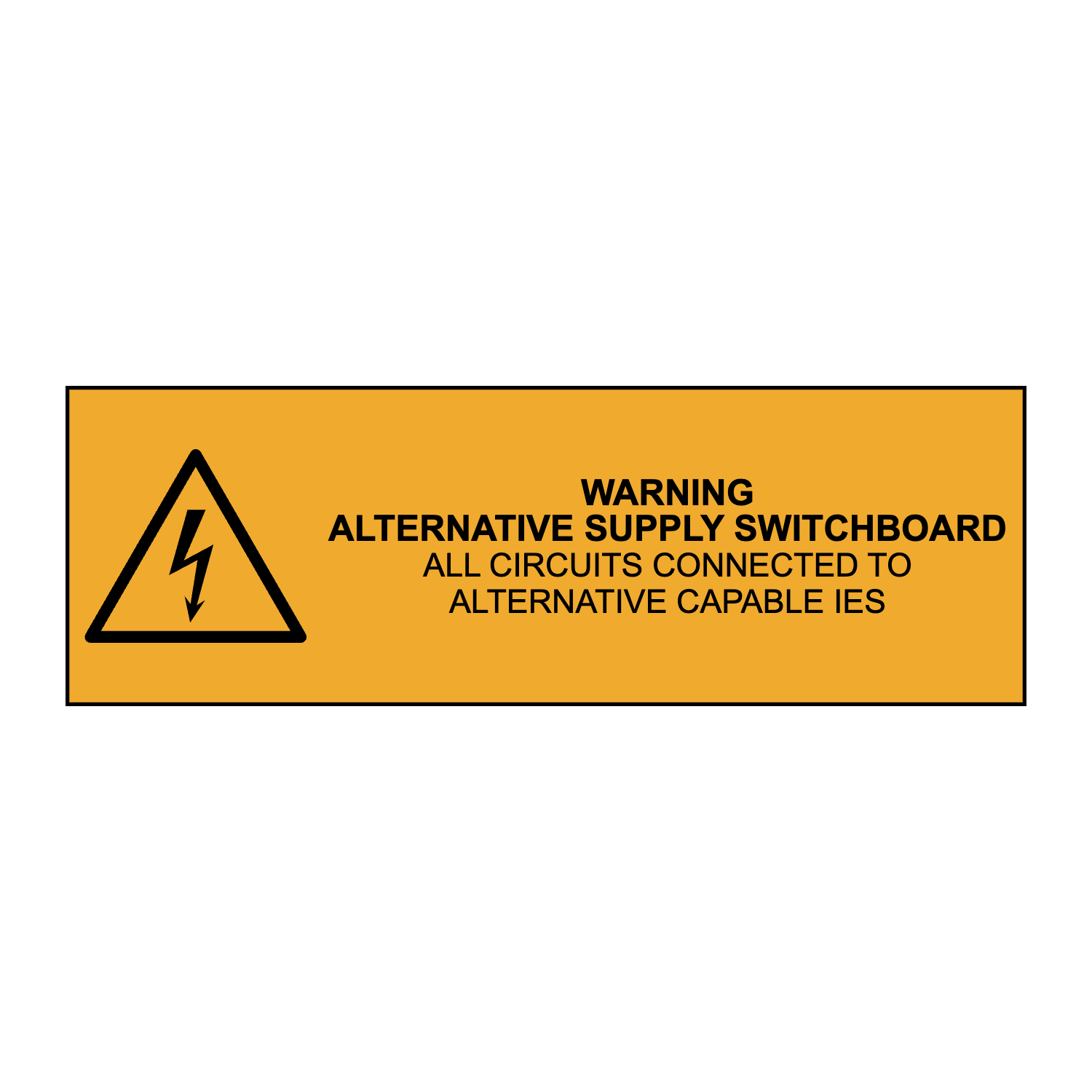
What solar labelling has to do
A PV system puts a second source of energy into a building, and it puts live DC conductors in places an electrician would not normally expect to find them. Solar labelling exists so that whoever opens the switchboard next — a different contractor, a service technician, or a firefighter at two in the morning — can see what is present and where it is fed from without tracing a single cable.
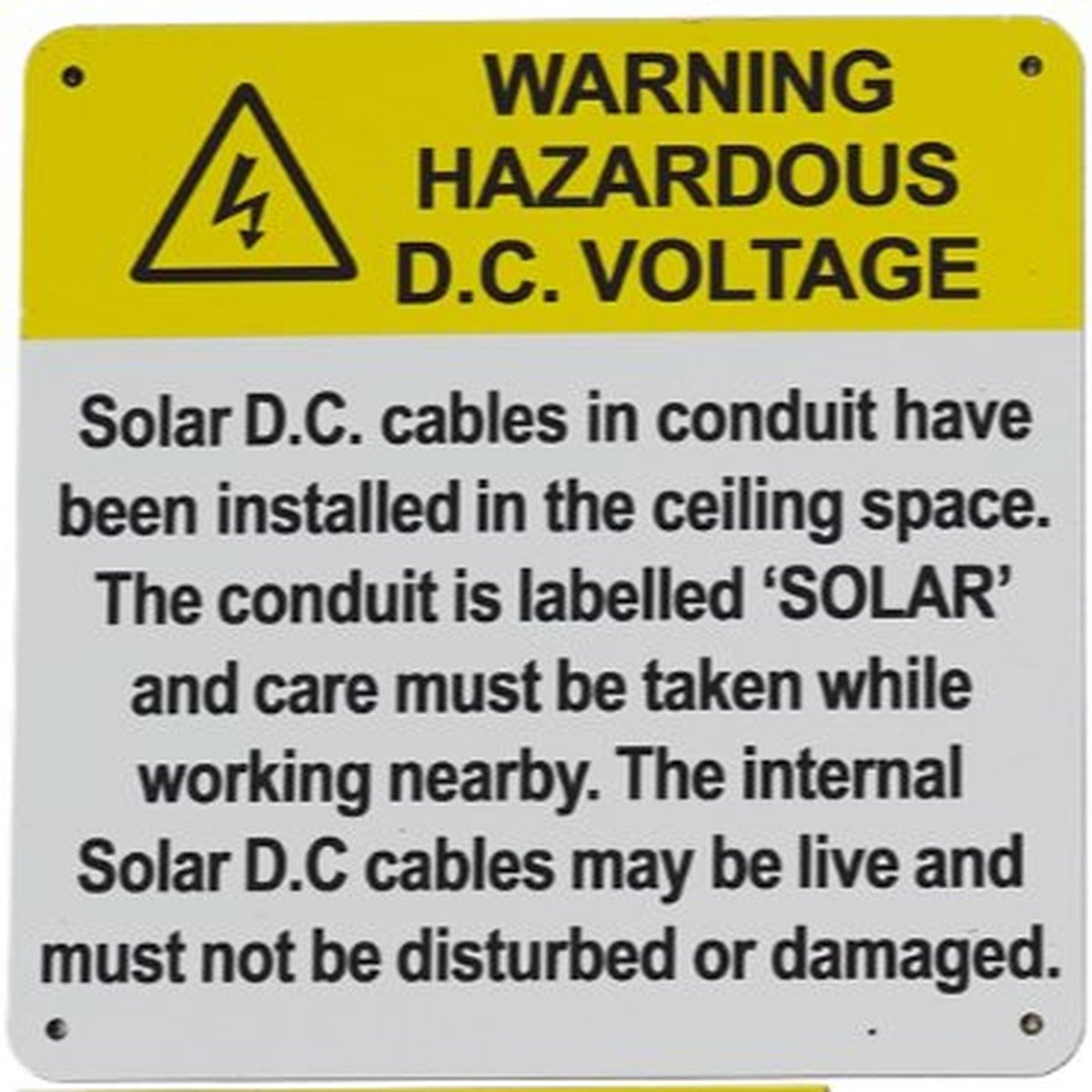
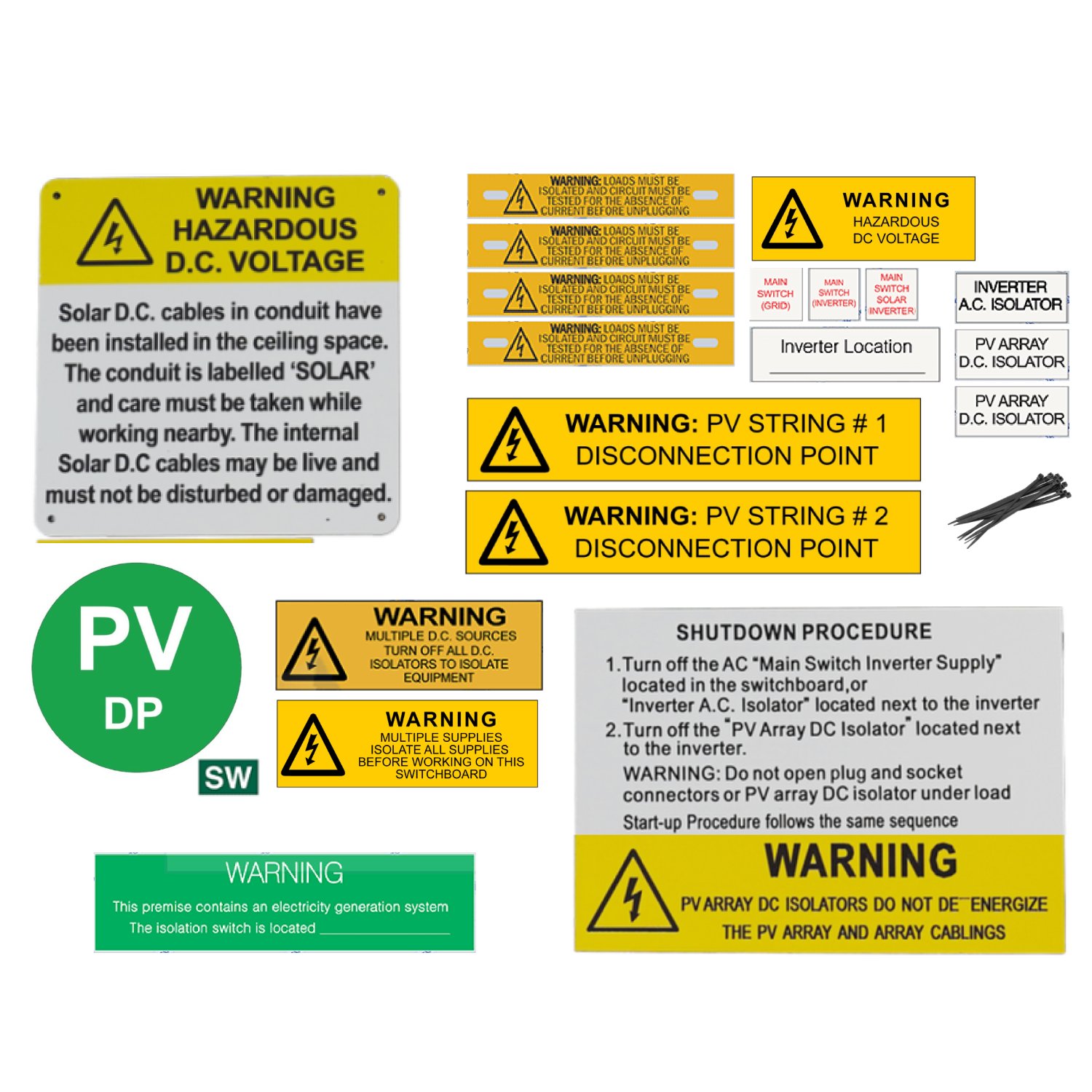
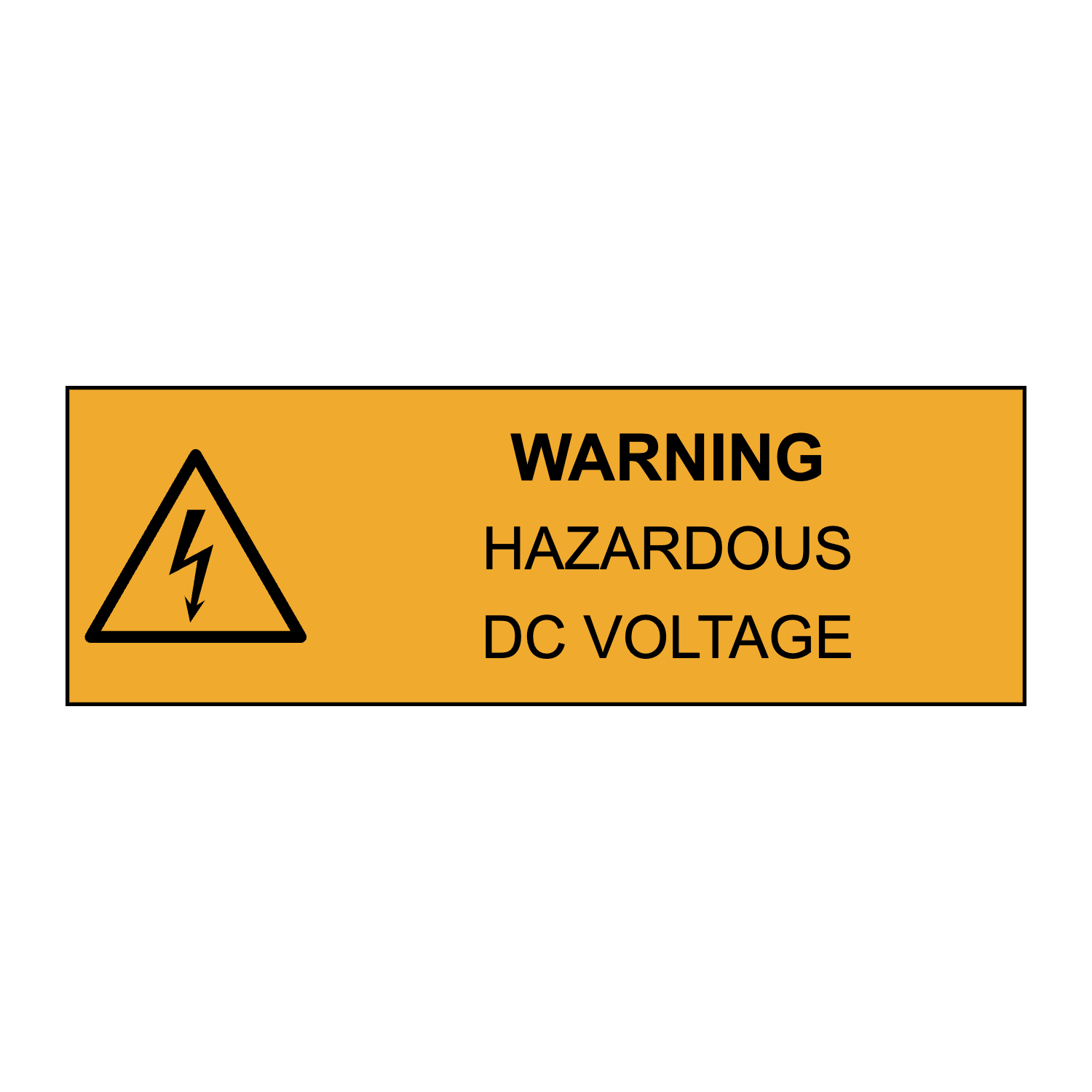
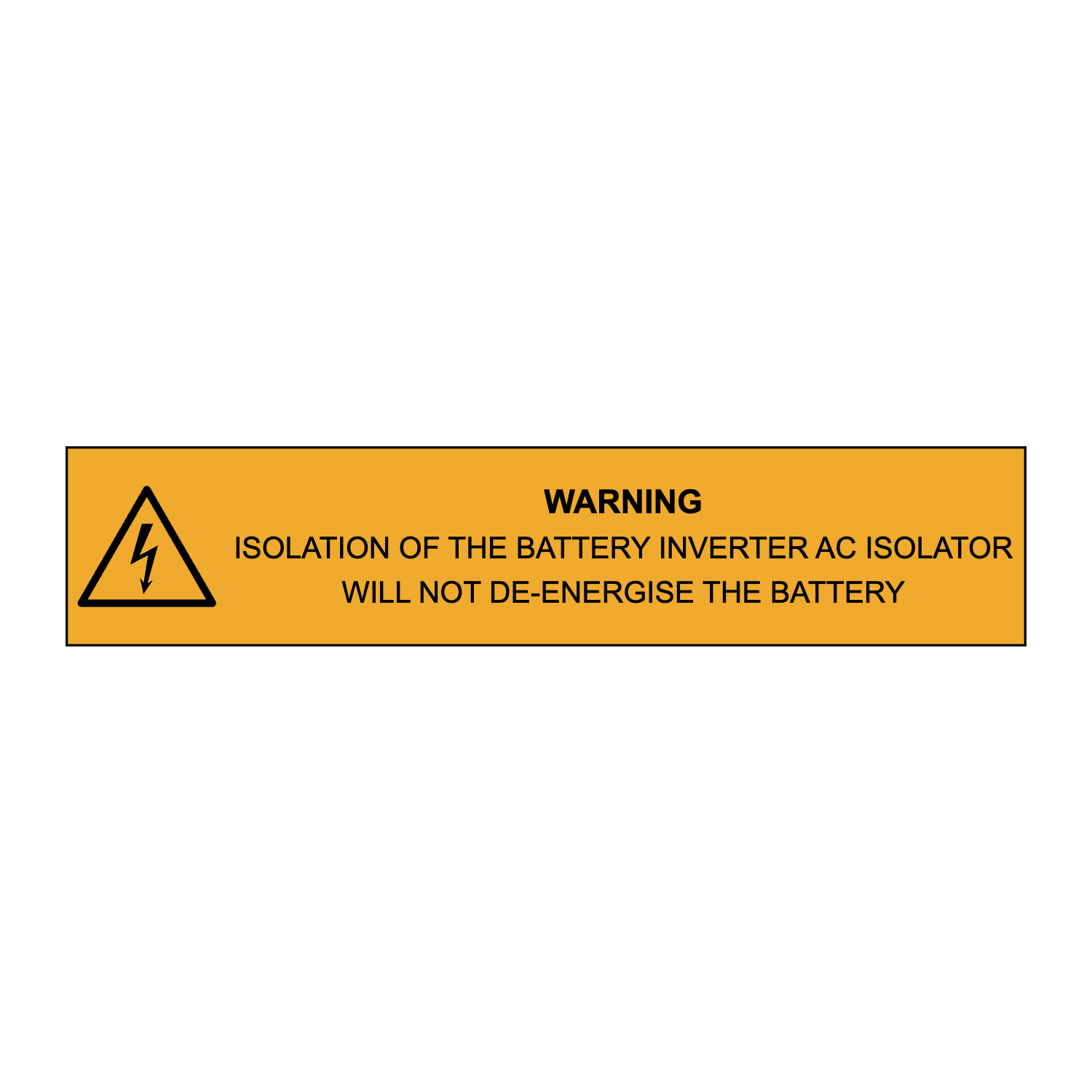
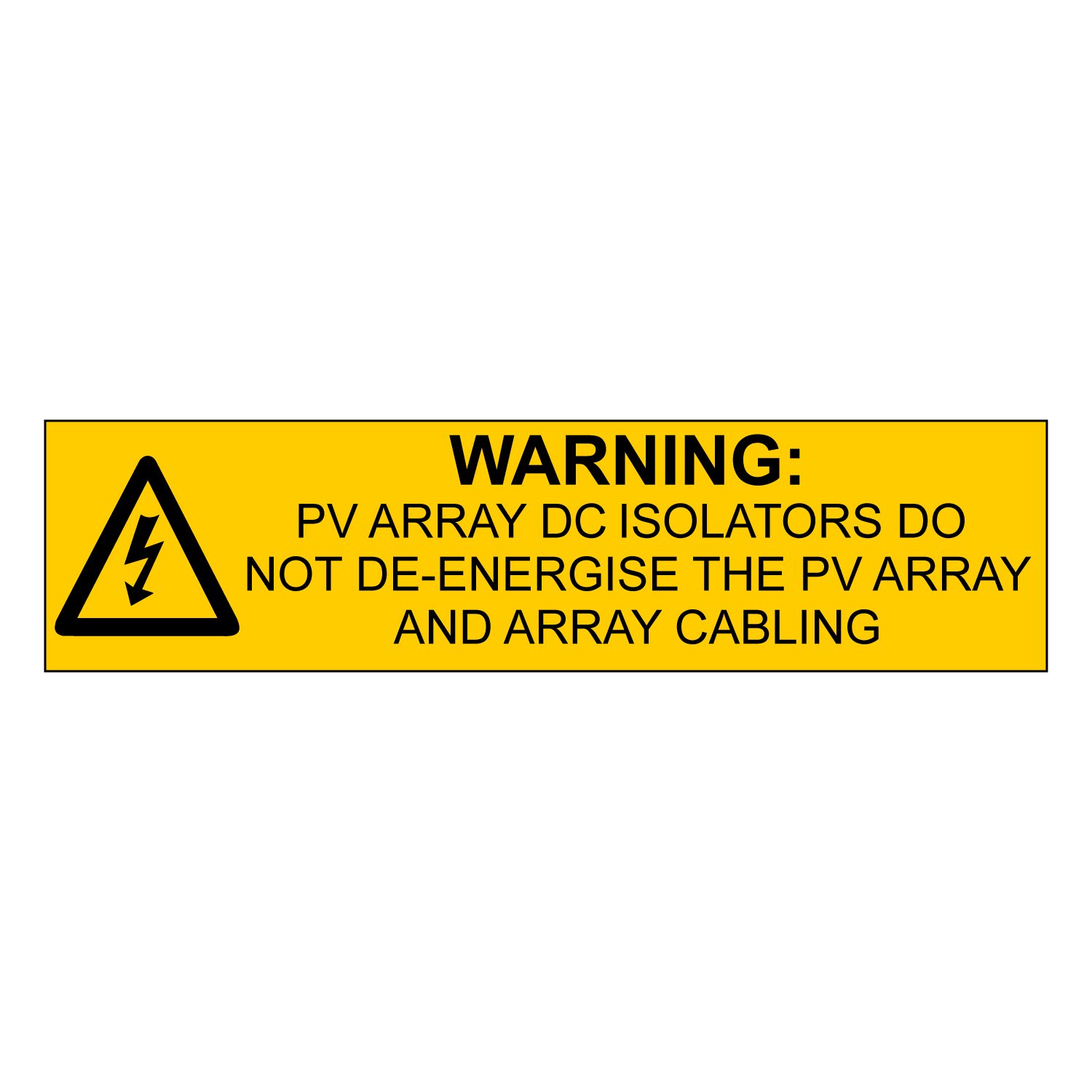
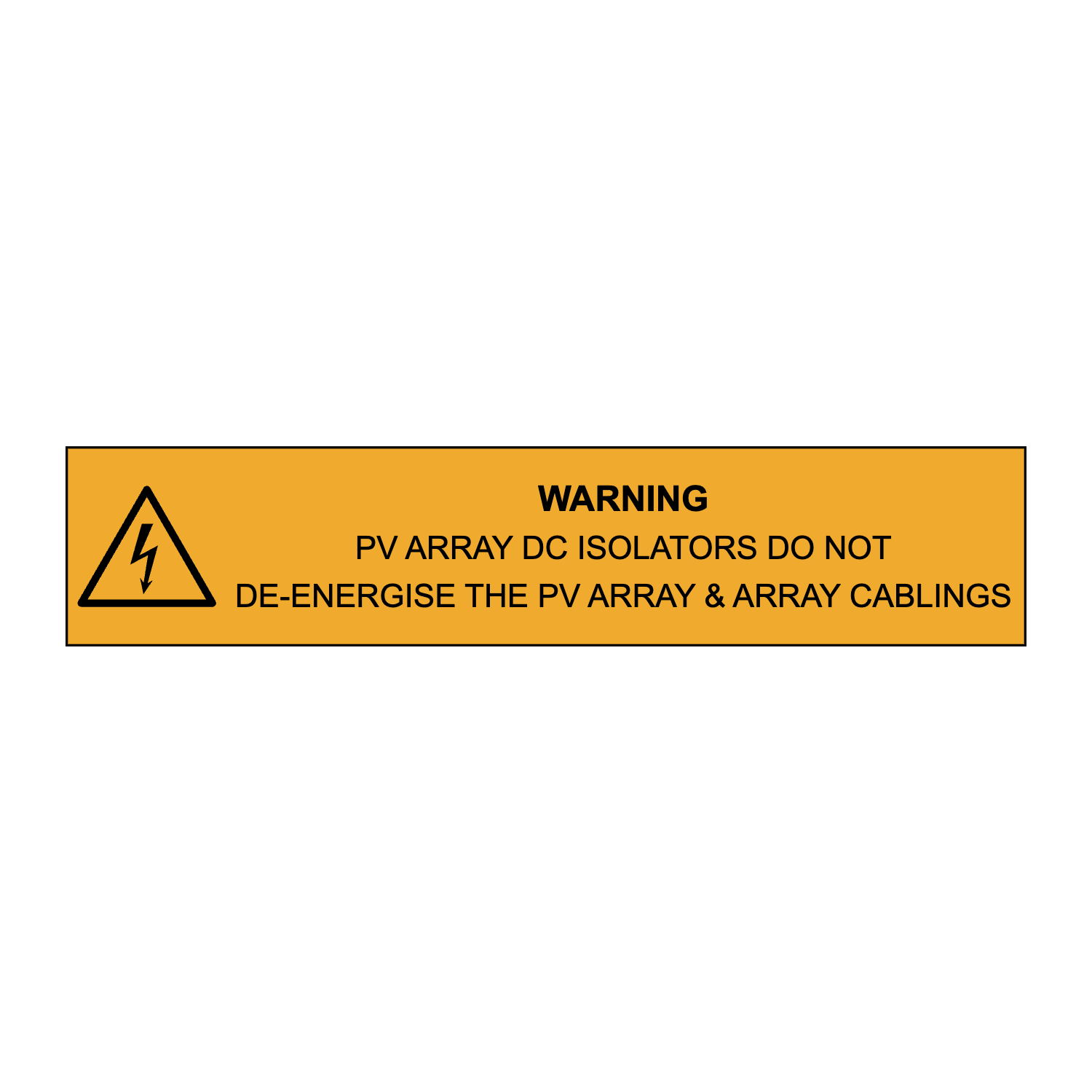
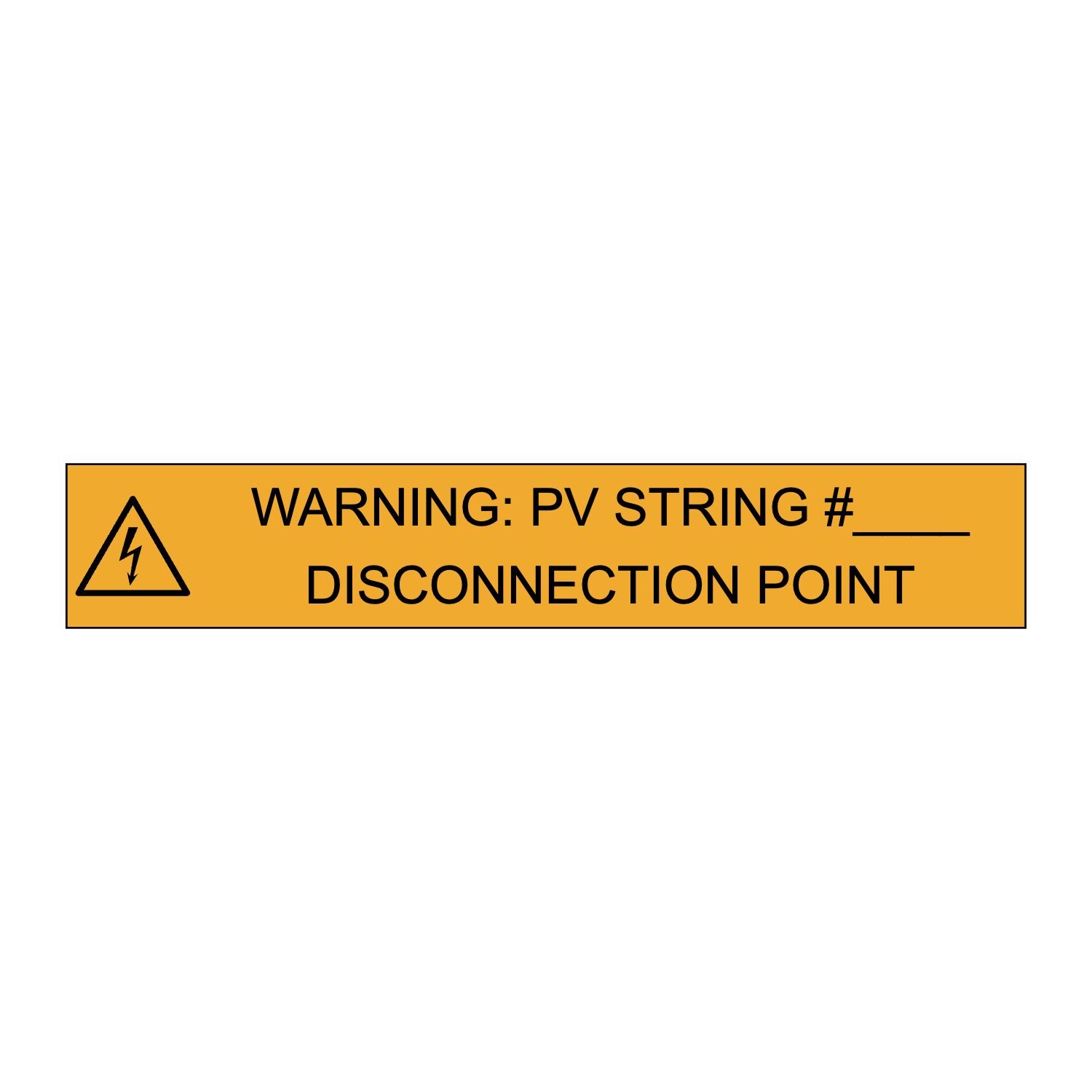
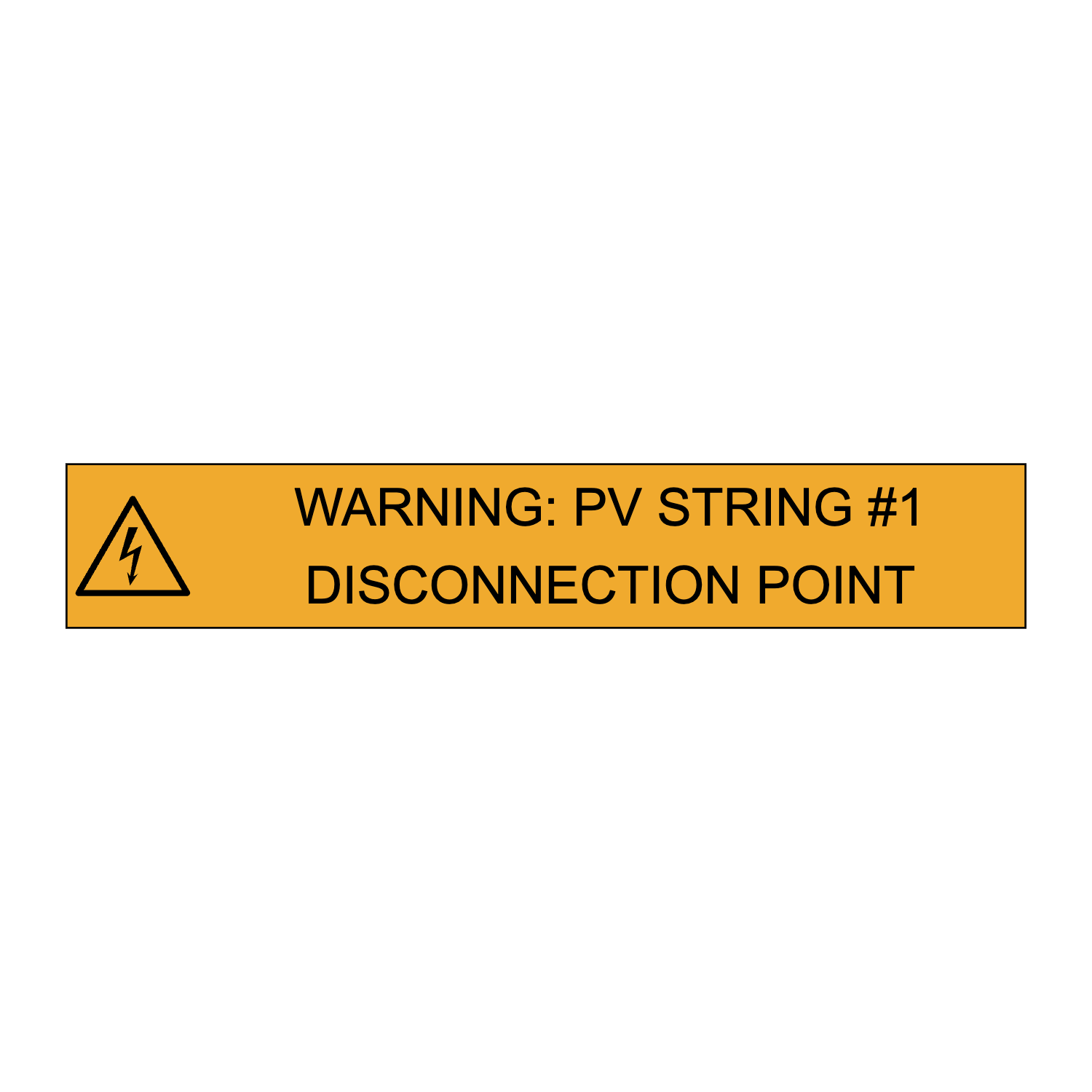
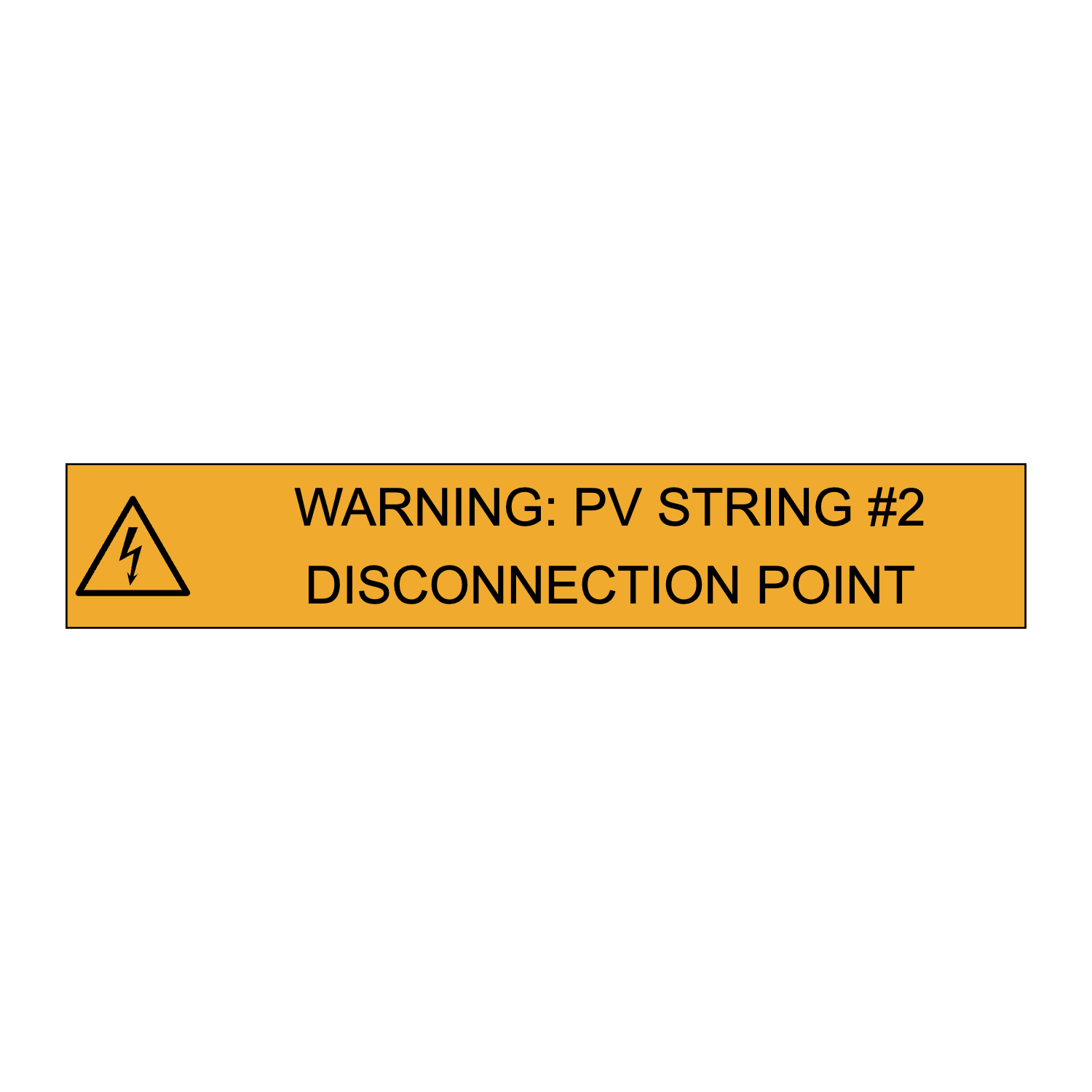
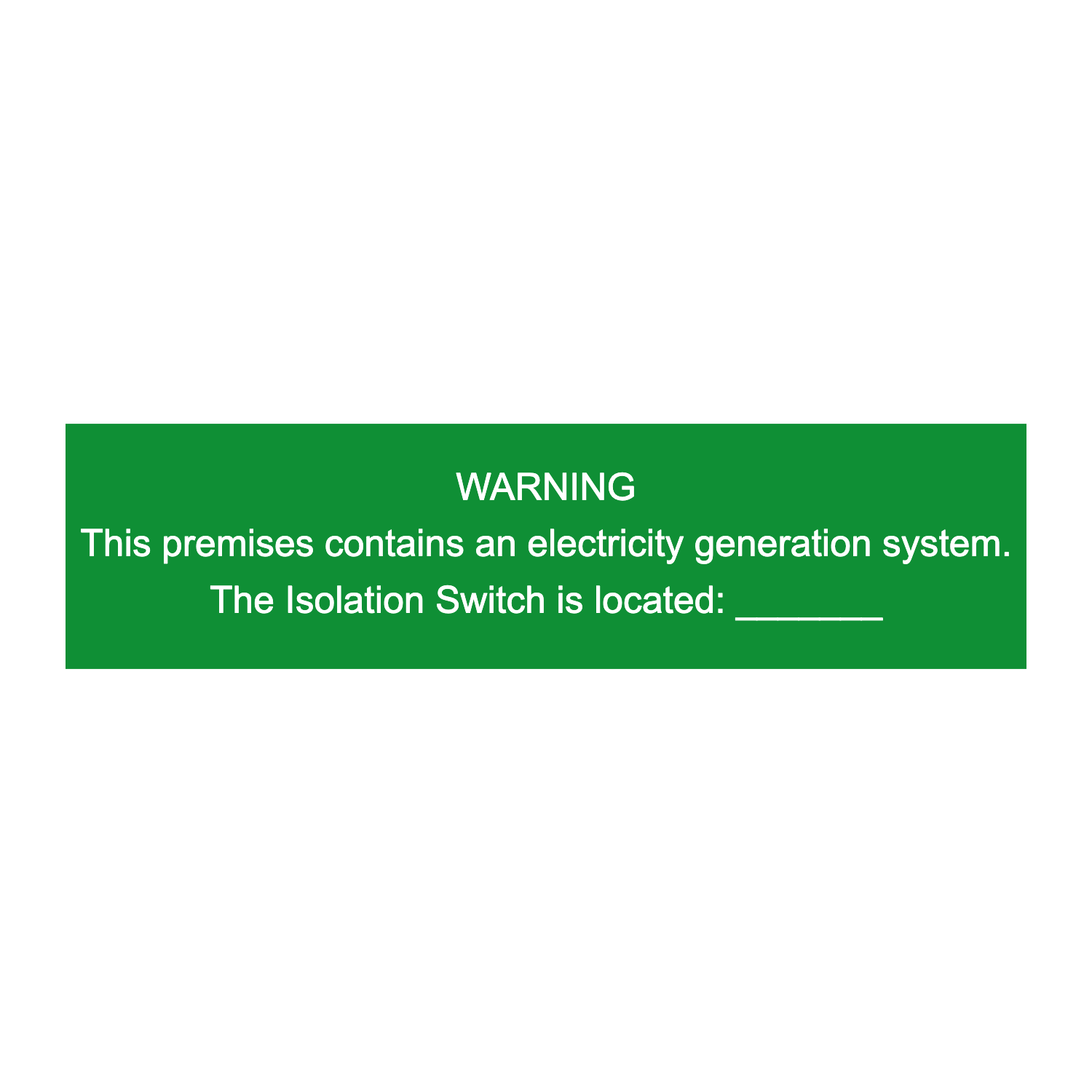
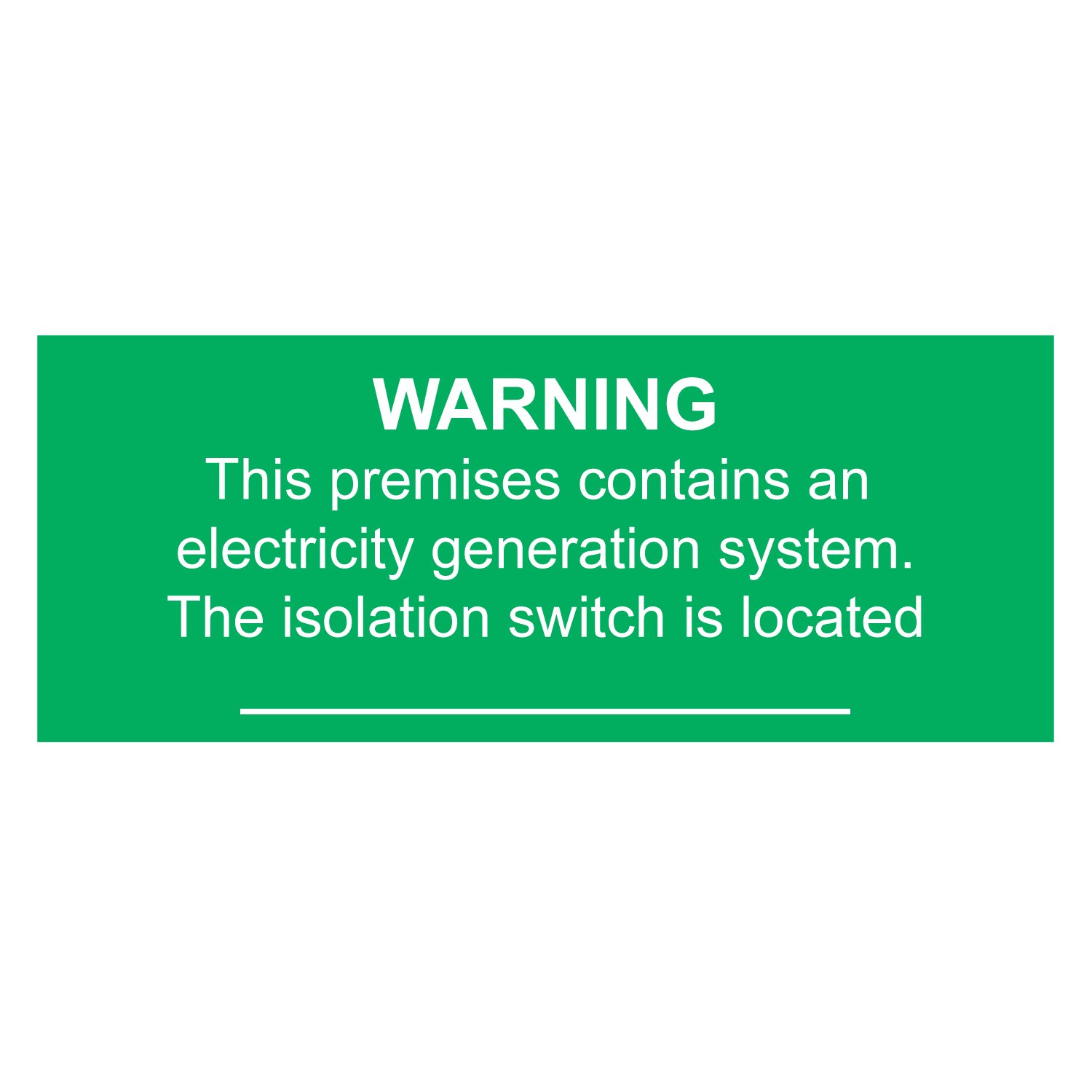
That splits into three jobs. Isolator plates say what a switch disconnects and what it does not. Disconnection point signage marks where a string can be broken and, on a multi-array site, which one. Warning plates state the hazard that remains after the obvious switch has been thrown — most importantly that opening a DC isolator does not de-energise the array itself, because the modules keep generating whenever there is light on them.
Which standards apply
PV array installation in Australia and New Zealand is covered by AS/NZS 5033, grid-connected inverter energy systems by AS/NZS 4777.1, and the installation as a whole by AS/NZS 3000, the Wiring Rules.
We make the labels; we don't certify installations. If you need to be certain a particular plate satisfies a particular clause, check it against the standard or with your inspector — and if the job specifies exact wording, send it exactly as written. We set what you send, punctuation and line breaks included, rather than tidying it into something shorter that means the same thing, because on a compliance plate that is a different label.
Choosing between them
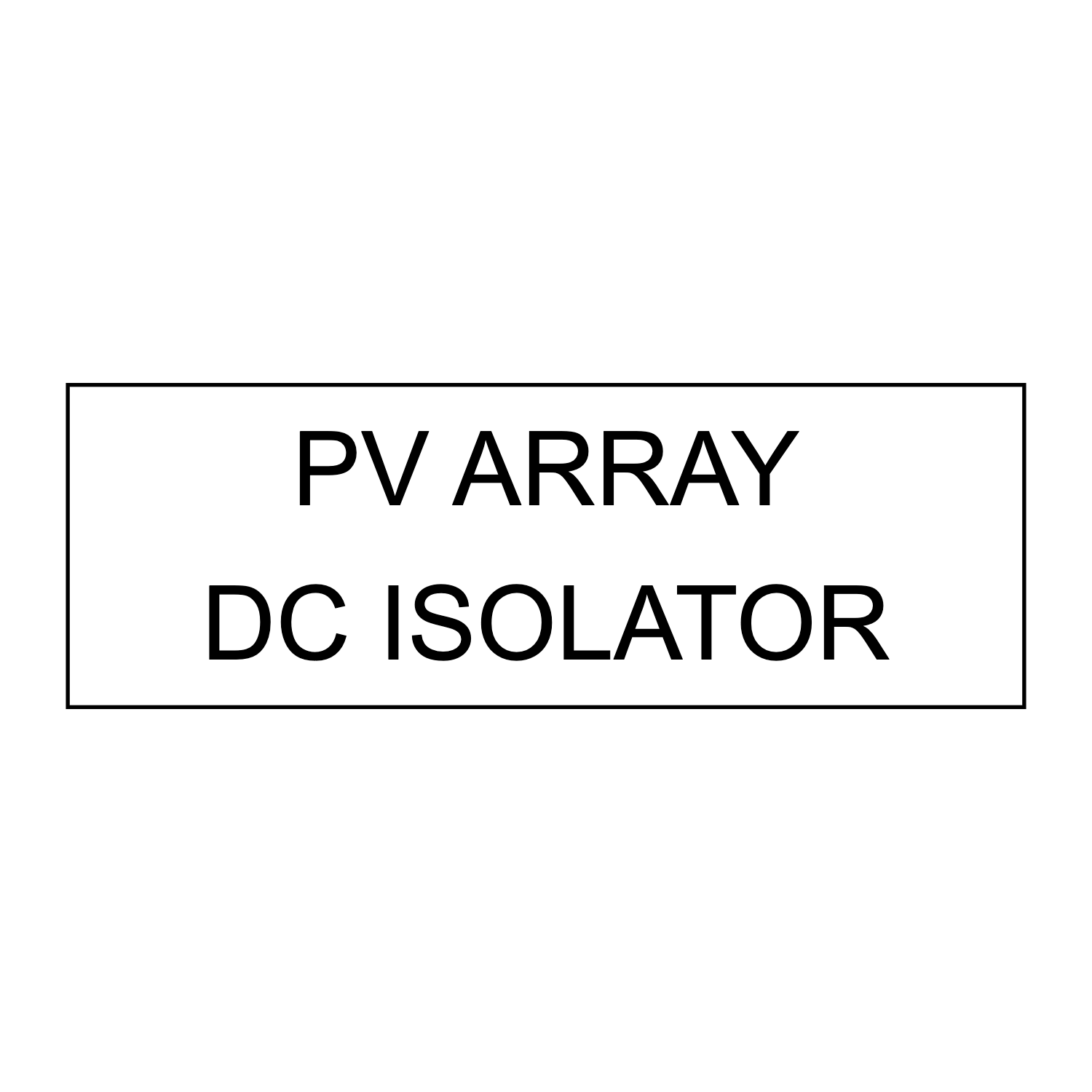
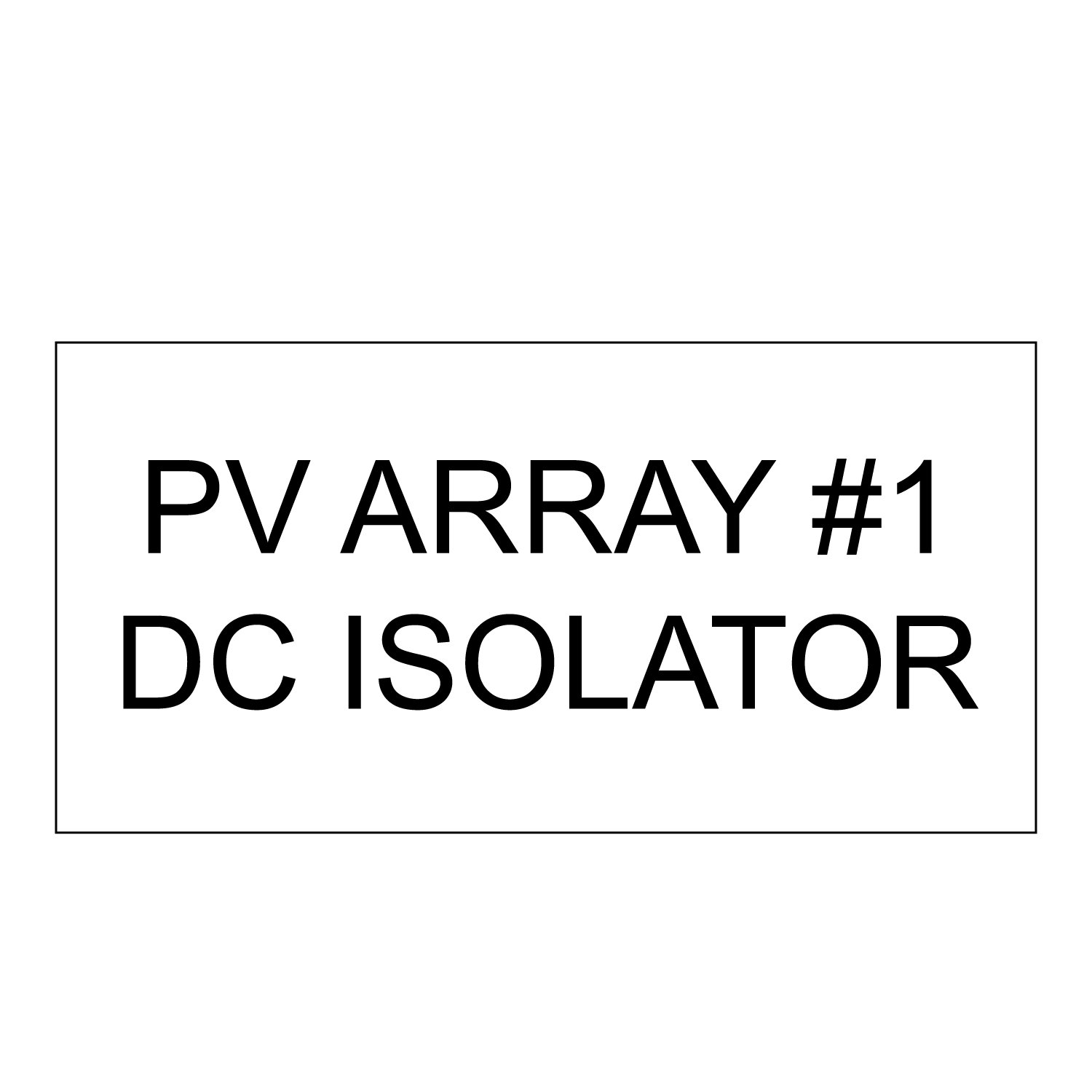
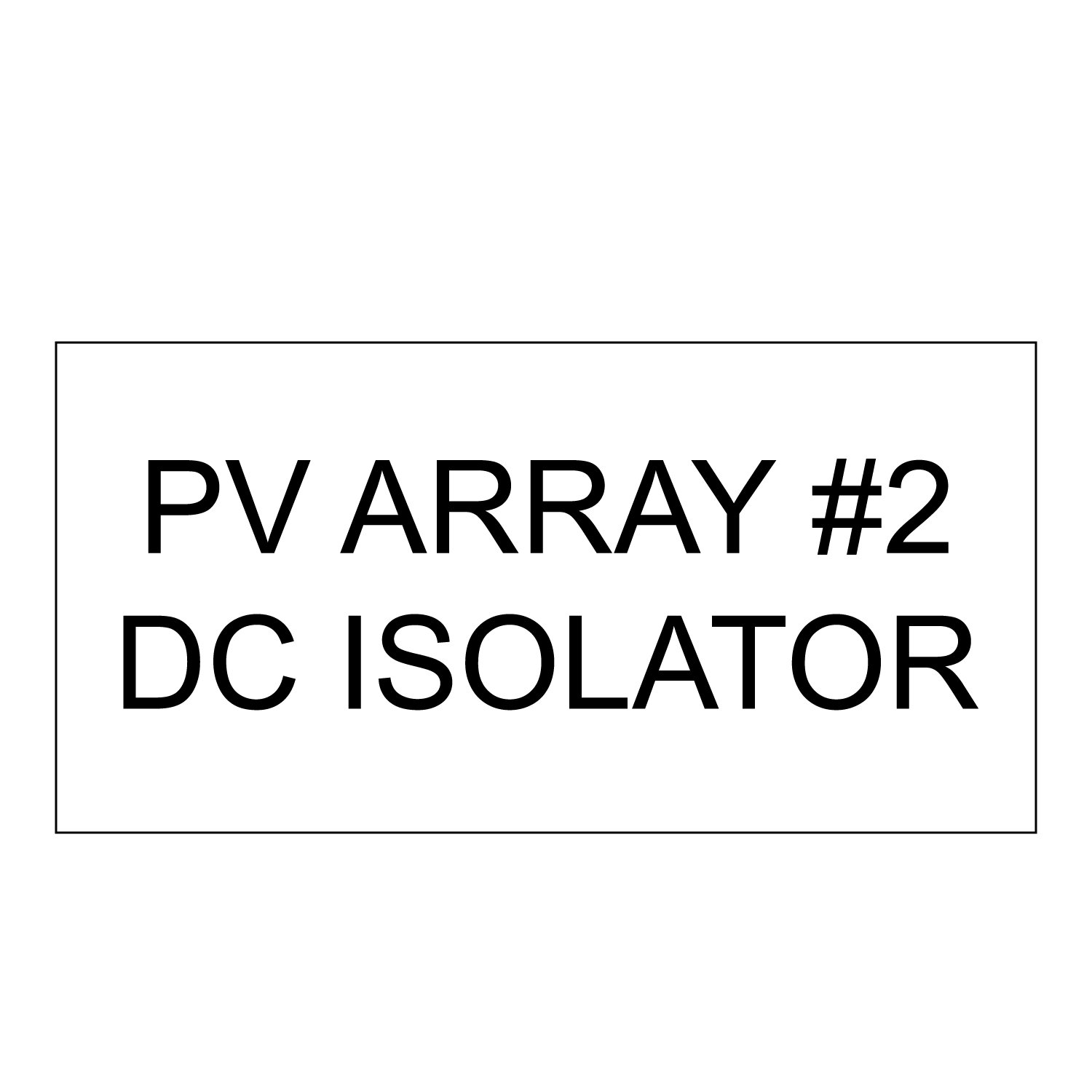
Array and inverter isolator plates are the ones fitted in quantity: one per isolator, sized to the enclosure they mount on. Where a site has more than one array, the numbered variants (#1, #2) matter — a plate that just says PV Array Isolator on a two-array install tells the next person nothing useful.
String disconnection point labels carry a number field for the same reason. On single-array domestic work the unnumbered version is usually right; on commercial work with multiple strings, number them.
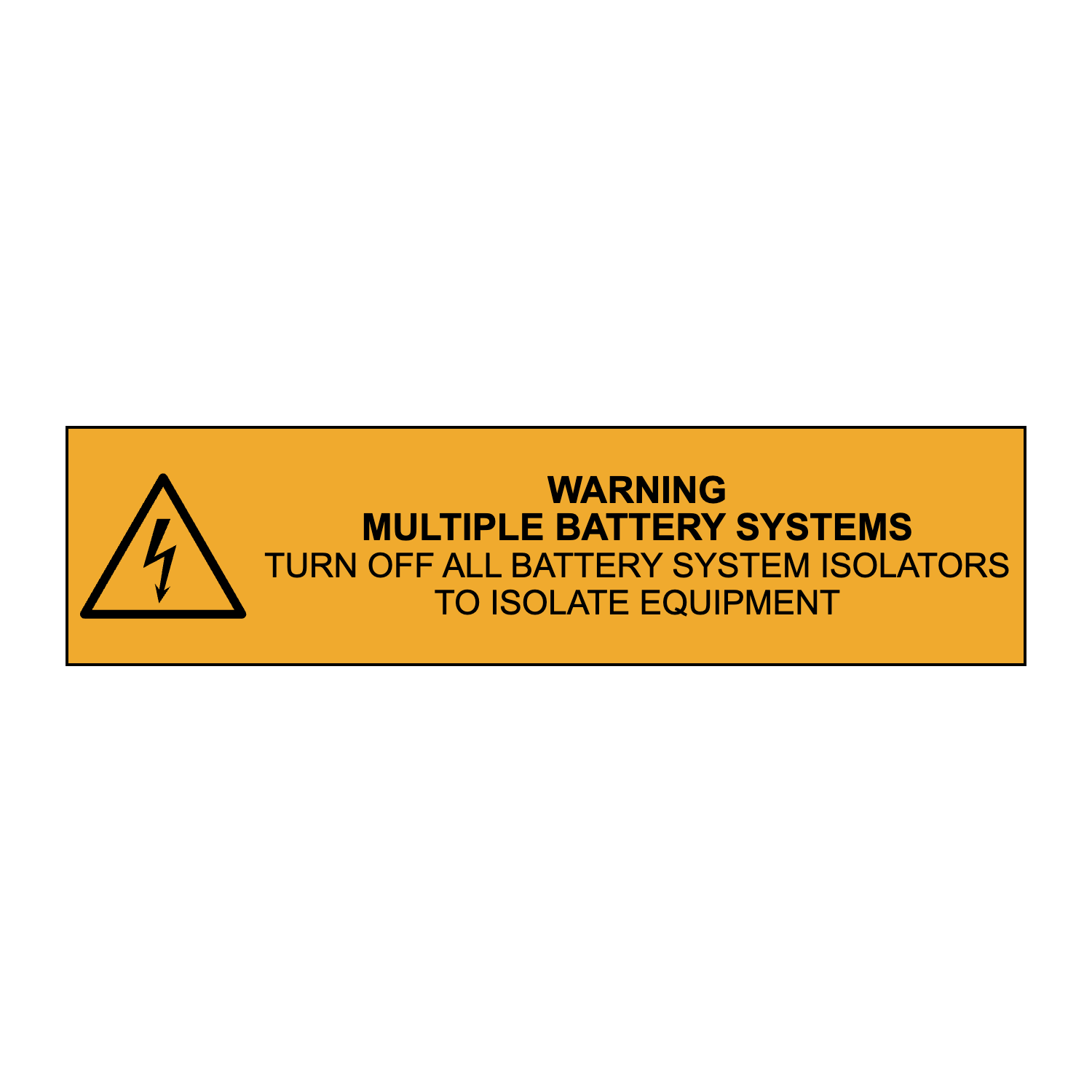
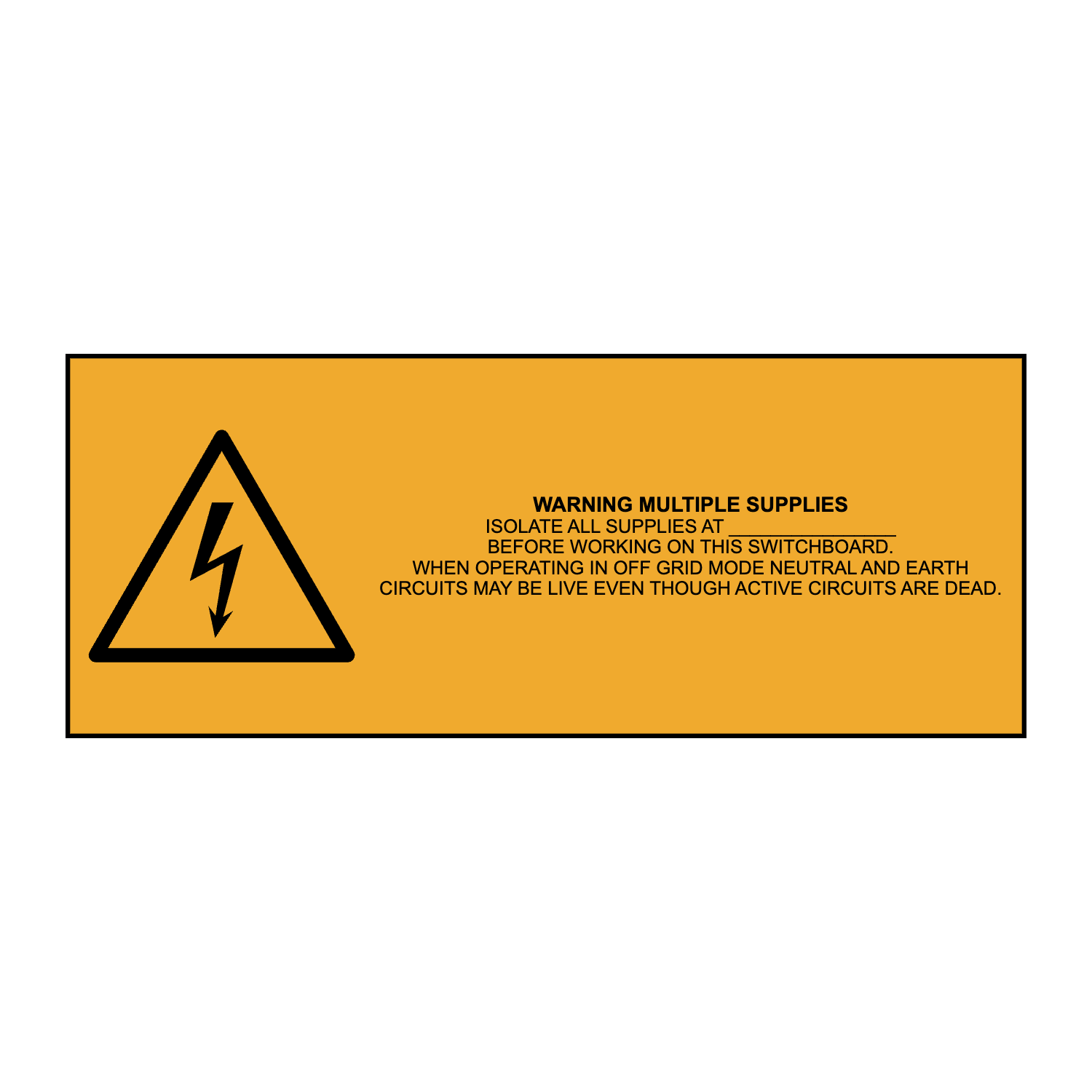
Warning plates are typically one or two per board rather than per device, so they are sized larger and set in the colour that matches their hazard class.
Material and environment
Laser-engraved Traffolyte is the default for anything in or on a switchboard. The colour runs through the laminate rather than sitting on top of it, so an engraved plate does not fade to blank the way a printed label can after a few summers behind glass, and it stays legible after being wiped down.
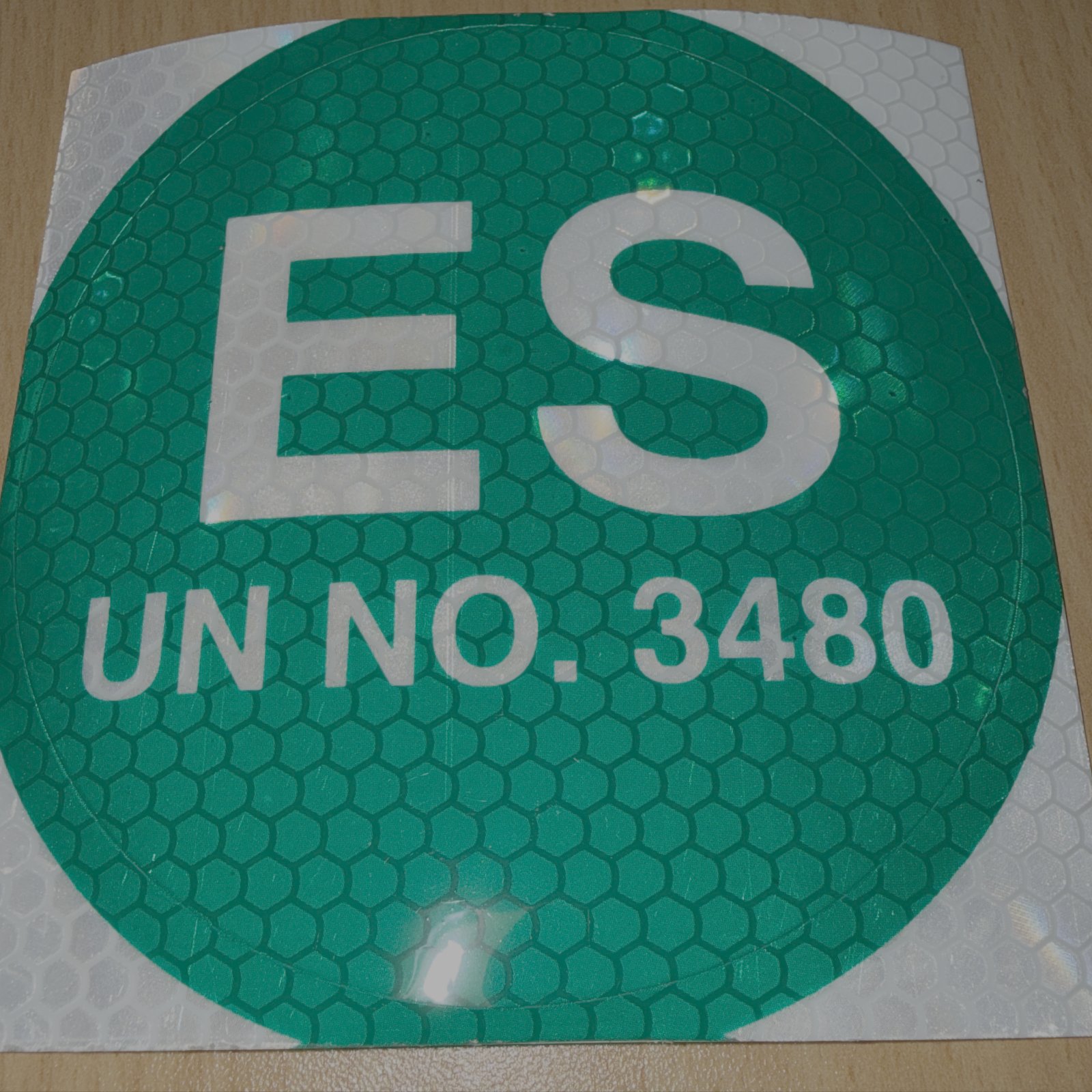
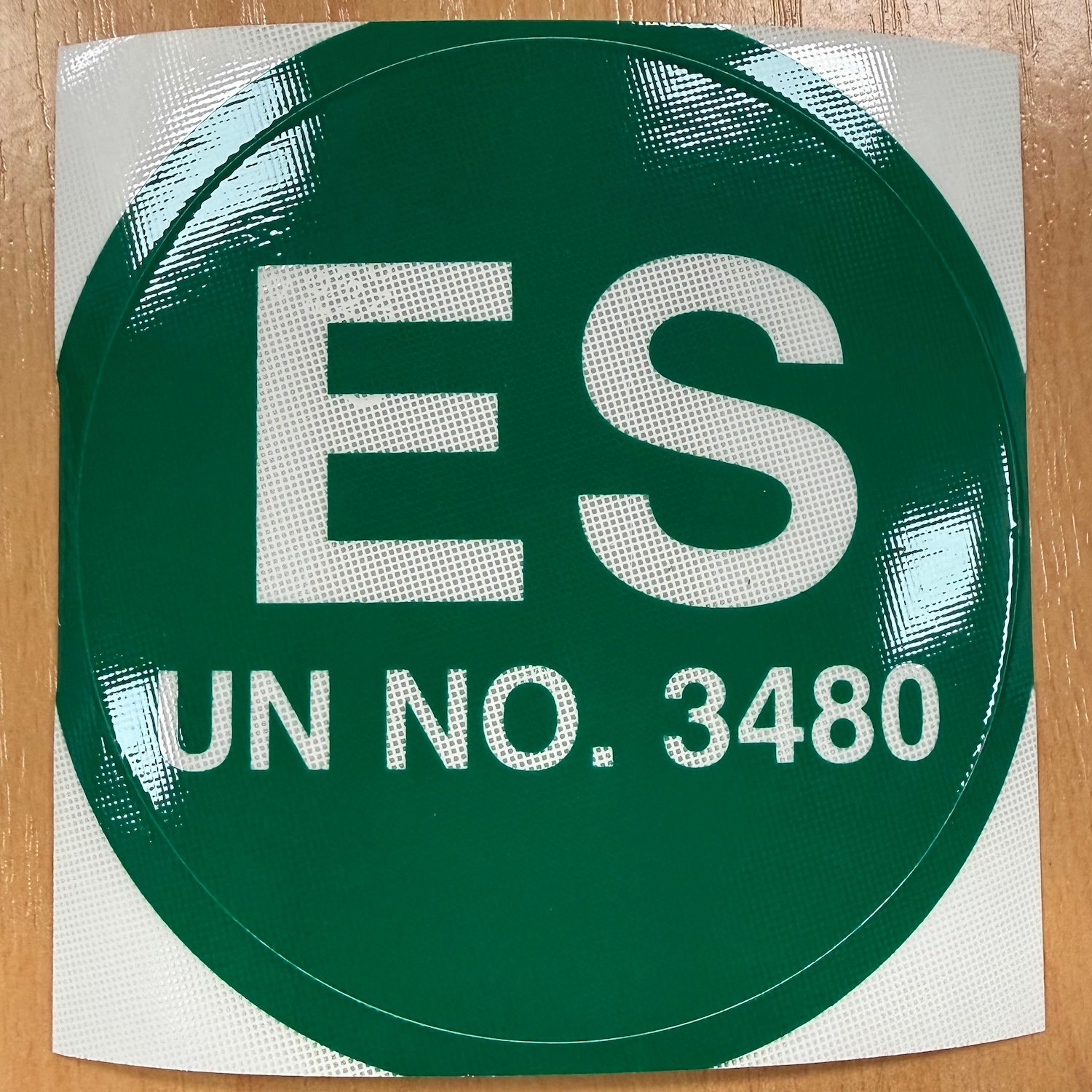
For the round PV DP and PV SW signs we use a reflective face, so the sign returns a torch beam in a dark meter room or an unlit roof space. Every one of them comes off the same fixed layout, so a replacement ordered two years from now is identical to the one already on site — no odd sign out on a board a customer has been adding to over time.
Adhesive vinyl suits curved surfaces, conduit and enclosures where a rigid plate cannot sit flat. It is the right choice for a duct or a cylindrical body and the wrong one for anything exposed to solvent or continuous direct sun without lamination.